Peripheral Nerves Clinic in Nafaur’s Neurocare
Dedicated Pediatric Peripheral Nerve, Brachial Plexus, Nerve Injury, Nerve Tumor, Pediatric Neurosurgery & Pediatric Neurology Services in Bangladesh
Nafaur’s Neurocare is one of the dedicated pediatric neurocare centres in Bangladesh, providing specialized pediatric neurosurgical, pediatric neurological, developmental, rehabilitation, and allied child neurocare services for newborns, infants, children, and adolescents. Through its Pediatric Neurosurgical and Neurological Clinic, Peripheral Nerves Clinic, Birth Trauma Clinic, Neuro Development Clinic, Cerebral Palsy Clinic, Movement Disorders Clinic, and allied child neurocare services, Nafaur’s Neurocare provides focused evaluation and care for children with peripheral nerve injury, brachial plexus injury, birth palsy, traumatic nerve injury, facial nerve palsy, foot drop, wrist drop, nerve compression, peripheral nerve tumors, schwannoma, neurofibroma, plexiform neurofibroma, nerve pain, numbness, tingling, muscle weakness, muscle wasting, and complex pediatric neurological conditions.
The Peripheral Nerves Clinic in Nafaur’s Neurocare is specially designed for babies and children who have weakness of hand or leg, reduced movement after birth, baby not moving one arm, birth-related nerve injury, traumatic nerve injury after accident, nerve pain, numbness, tingling, foot drop, wrist drop, facial weakness, nerve tumor, lump along a nerve, progressive weakness, muscle wasting, abnormal gait, or developmental motor concerns.
Many parents in Bangladesh search for pediatric peripheral nerve treatment in Bangladesh, peripheral nerves clinic in Dhaka, brachial plexus injury treatment Bangladesh, birth palsy treatment in Dhaka, baby arm weakness after birth treatment, child nerve injury treatment Bangladesh, pediatric neurosurgeon for nerve injury, pediatric neurologist for nerve weakness, foot drop treatment in children, peripheral nerve tumor treatment Bangladesh, and best pediatric neurocare centre in Bangladesh. Nafaur’s Neurocare aims to provide dedicated evaluation, neurological assessment, imaging and test report review, pediatric neurosurgical counseling, pediatric neurology support, rehabilitation planning, physiotherapy guidance, parent education, and long-term child neurocare support.
What Are Peripheral Nerves?
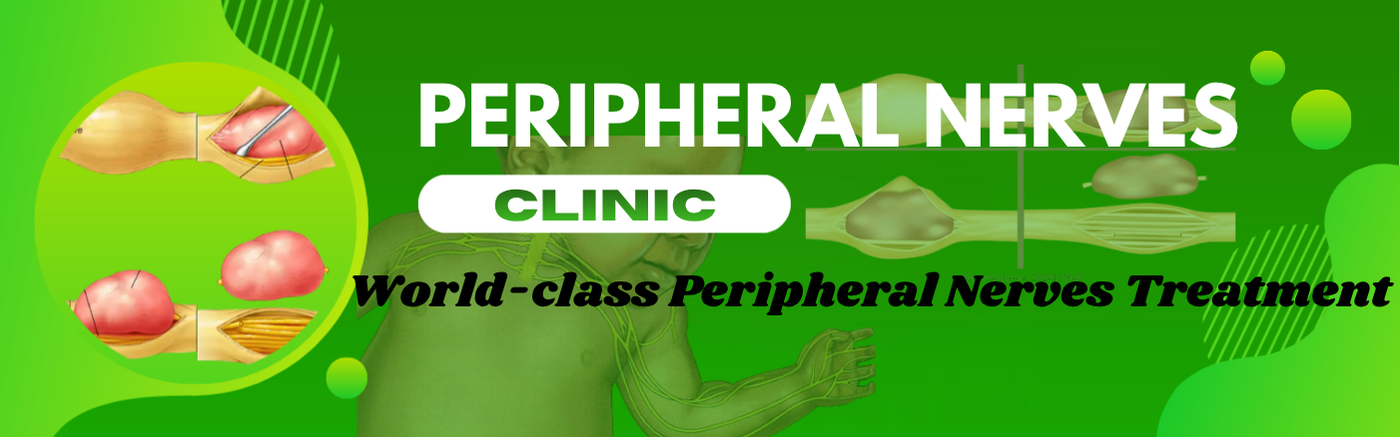
Peripheral nerves are the nerves outside the brain and spinal cord. These nerves connect the brain and spinal cord to the muscles, skin, arms, legs, hands, feet, face, and body. Peripheral nerves help children move, feel touch, sense pain, hold objects, walk, maintain posture, use their hands, and perform daily activities.
When peripheral nerves are injured, compressed, inflamed, infected, stretched, cut, or affected by tumors, a child may develop weakness, reduced movement, pain, numbness, tingling, abnormal posture, foot drop, wrist drop, facial weakness, poor grip, muscle wasting, walking difficulty, or delayed motor development.
Peripheral nerve problems in children need careful evaluation because the cause may be related to birth injury, trauma, tumor, nerve compression, spinal cord disorder, congenital condition, infection, inflammation, or developmental neurological disease. Early diagnosis and rehabilitation can help protect movement, muscle development, hand function, walking ability, and long-term quality of life.
Common Symptoms of Peripheral Nerve Problems in Children
Parents should consult a pediatric neurocare clinic if a child has:
Baby not moving one arm after birth, weak shoulder movement, weak elbow bending, weak hand grip, reduced limb movement, weakness after accident, pain in arm or leg, numbness, tingling, burning pain, foot drop, wrist drop, facial weakness, difficulty closing one eye, drooling, reduced smile, frequent falling, dragging foot, poor hand use, muscle wasting, abnormal posture, lump along a nerve, swelling with pain, progressive weakness, loss of sensation, or delayed motor milestone.
In babies and young children, symptoms may be subtle. Parents may notice unequal use of hands, delayed crawling, delayed walking, poor grip, abnormal arm position, or reduced movement of one limb.
Common Peripheral Nerve Conditions Evaluated at Nafaur’s Neurocare
Brachial Plexus Injury / Birth Palsy
Brachial plexus injury occurs when the nerve network controlling the shoulder, arm, and hand is stretched or damaged. In newborns, this may occur during difficult delivery, shoulder dystocia, prolonged labor, assisted delivery, or birth trauma. This condition is often called birth palsy or obstetric brachial plexus palsy.
A baby may have reduced movement of one arm, weak shoulder movement, weak elbow bending, weak wrist movement, poor hand grip, or abnormal arm posture. Some babies recover with therapy and follow-up, while others may need further evaluation and selected surgical consideration depending on severity and recovery.
Traumatic Peripheral Nerve Injury
Children may suffer peripheral nerve injury after road traffic accident, fall, cut injury, penetrating injury, fracture, dislocation, crush injury, burn injury, or surgery. Traumatic nerve injury may cause weakness, pain, numbness, tingling, loss of sensation, muscle wasting, or inability to move part of the hand, arm, leg, or foot.
Early evaluation is important because some nerve injuries recover gradually, while others may require surgical assessment or long-term rehabilitation.
Facial Nerve Palsy in Children
Facial nerve palsy may cause weakness of one side of the face, difficulty closing the eye, drooling, facial asymmetry, reduced smile, speech difficulty, or feeding difficulty. It may occur after birth trauma, infection, head injury, inflammation, tumor, surgery, or unknown causes.
Children with facial weakness need careful pediatric neurological and neurosurgical evaluation to identify the cause and plan proper treatment.
Foot Drop and Peroneal Nerve Palsy
Foot drop means difficulty lifting the front part of the foot while walking. A child with foot drop may drag the foot, trip frequently, walk with high stepping gait, or have balance problems. Foot drop may occur due to peroneal nerve injury, nerve compression, trauma, spinal disease, tumor, congenital disorder, or neurological condition.
Wrist Drop and Radial Nerve Palsy
Radial nerve injury may cause wrist drop, poor hand extension, weak grip, difficulty holding objects, or reduced hand function. It may occur after fracture, trauma, nerve compression, or direct nerve injury.
Nerve Compression Syndrome
Nerve compression may occur when a nerve is squeezed by swelling, tumor, scar tissue, bone injury, anatomical narrowing, or prolonged pressure. Symptoms may include pain, numbness, tingling, weakness, reduced grip, poor walking, or difficulty using the affected limb.
Peripheral Nerve Tumors
Peripheral nerve tumors arise from nerve tissues and may include schwannoma, neurofibroma, plexiform neurofibroma, malignant peripheral nerve sheath tumor, and other nerve sheath tumors. Children may present with a lump, pain, weakness, numbness, tingling, deformity, or progressive neurological symptoms.
Some nerve tumors may be associated with neurofibromatosis and need long-term monitoring.
Neurofibromatosis-Related Nerve Problems
Neurofibromatosis may involve skin marks, café-au-lait spots, nerve tumors, plexiform neurofibroma, spinal tumors, optic pathway glioma, scoliosis, learning difficulty, and neurological symptoms. Children with suspected neurofibromatosis may need long-term pediatric neurological, neurosurgical, developmental, and imaging follow-up.
Congenital Peripheral Nerve Disorders
Some children may be born with reduced limb movement, congenital palsy, nerve-related weakness, muscle imbalance, or motor delay. These children need careful evaluation to identify whether the problem is related to peripheral nerve, spinal cord, brain, muscle, orthopedic condition, or developmental delay.
Nerve Injury Associated with Fracture or Orthopedic Trauma
Peripheral nerve injury can occur with bone fracture, elbow injury, shoulder injury, humerus fracture, forearm fracture, pelvic injury, knee injury, or leg fracture. A child with weakness, numbness, poor hand movement, or foot drop after fracture should receive neurological evaluation.
Peripheral Nerves Clinic Services at Nafaur’s Neurocare
The Peripheral Nerves Clinic in Nafaur’s Neurocare provides dedicated pediatric evaluation and follow-up services for children with peripheral nerve injury, brachial plexus injury, birth palsy, traumatic nerve injury, nerve weakness, nerve compression, facial nerve palsy, foot drop, wrist drop, nerve tumors, neurofibroma, schwannoma, and neurofibromatosis-related nerve problems.
Services may include:
Pediatric neurosurgical consultation, pediatric neurological assessment, peripheral nerve examination, brachial plexus injury evaluation, birth palsy assessment, traumatic nerve injury assessment, facial nerve palsy evaluation, foot drop and wrist drop assessment, nerve tumor evaluation, neurofibroma and schwannoma assessment, neurofibromatosis-related neurological review, MRI report review, ultrasound report review when needed, nerve conduction study and EMG report review when available, surgical counseling, rehabilitation planning, physiotherapy guidance, developmental assessment, post-operative follow-up, parent counseling, and allied clinic coordination.
The clinic helps parents understand the diagnosis, severity, possible nerve recovery, treatment options, therapy needs, surgical timing, rehabilitation plan, warning signs, and long-term follow-up requirements.
Brachial Plexus Injury Treatment in Bangladesh
Brachial plexus injury is one of the most important pediatric peripheral nerve conditions. In newborns, it may be seen as reduced arm movement after birth. Some babies improve with physiotherapy and regular follow-up, while others may need advanced evaluation if recovery is incomplete.
Parents should seek early consultation if the baby does not move one arm normally after birth, has weak shoulder movement, poor elbow movement, weak hand grip, abnormal arm posture, or delayed recovery.
Nafaur’s Neurocare provides consultation and care guidance for families searching for birth palsy treatment in Bangladesh, baby arm paralysis treatment Dhaka, pediatric brachial plexus clinic Bangladesh, obstetric brachial plexus palsy treatment, and best pediatric nerve injury specialist Bangladesh.
Pediatric Peripheral Nerve Surgery Guidance
Some peripheral nerve conditions may require surgical evaluation, especially when there is severe nerve injury, nerve compression, nerve tumor, persistent weakness, traumatic nerve cut, progressive neurological deficit, or incomplete recovery after birth palsy.
Surgical planning depends on the type of nerve problem, duration of symptoms, age of the child, neurological findings, imaging results, and electrodiagnostic reports when available.
Possible surgical concerns may include nerve repair, nerve decompression, nerve tumor removal, brachial plexus surgery in selected cases, neurolysis, biopsy of nerve lesion, and treatment of tumor-related nerve compression.
Peripheral Nerve Tumor Surgery and Follow-Up
Children with peripheral nerve tumors may need careful evaluation to understand whether the lesion is benign, progressive, painful, compressive, or associated with neurofibromatosis. Some nerve tumors may need observation, while others may require surgery, biopsy, imaging follow-up, or multidisciplinary care.
Parents searching for pediatric nerve tumor surgery Bangladesh, schwannoma surgery child Dhaka, neurofibroma surgery Bangladesh, plexiform neurofibroma care Dhaka, and nerve sheath tumor treatment in children can consult Nafaur’s Neurocare for evaluation and guidance.
Rehabilitation and Physiotherapy for Nerve Injury
Rehabilitation is a very important part of pediatric peripheral nerve care. Children with nerve injury may need physiotherapy, developmental therapy, fine motor therapy, hand function therapy, splinting guidance, stretching, strengthening, posture training, gait training, and parent-guided home exercises.
Early and regular rehabilitation may help prevent joint stiffness, muscle wasting, deformity, poor function, walking difficulty, and delayed development. Nafaur’s Neurocare provides allied clinic support to guide families through long-term therapy needs.
Pediatric Neurology Support for Peripheral Nerve Patients
Some children with nerve symptoms may have overlapping neurological conditions involving the brain, spinal cord, muscles, or developmental system. Pediatric neurological assessment helps identify the source of weakness, sensory loss, abnormal movement, or delayed milestone.
At Nafaur’s Neurocare, pediatric neurology support may help with weakness evaluation, developmental monitoring, nerve-related symptom follow-up, seizure history review when relevant, medicine guidance, and long-term child neurocare planning.
Peripheral Nerve Problems and Child Development
Peripheral nerve injury can affect a child’s motor development, hand use, walking, balance, play skills, school activities, confidence, and independence. Babies with birth palsy may have delayed use of one arm. Children with foot drop may have walking difficulty. Children with nerve tumors may experience pain, weakness, or functional limitation.
Developmental monitoring helps identify therapy needs early and supports better long-term function.
Long-Term Follow-Up for Peripheral Nerve Conditions
Peripheral nerve recovery may take time. Some children need regular follow-up for months or years depending on the condition. Follow-up may monitor strength, sensation, muscle growth, limb movement, hand function, walking pattern, pain, tumor growth, therapy progress, and developmental outcomes.
Nafaur’s Neurocare supports families with long-term pediatric neurocare planning, therapy coordination, pediatric neurology review, pediatric neurosurgical assessment when required, and parent education.
Parent Guidance for Nerve Injury Warning Signs
Parents should seek expert evaluation if a baby does not move one arm after birth, a child develops weakness after injury, a child has foot drop or wrist drop, there is progressive numbness or pain, a lump along a nerve is increasing, facial weakness appears suddenly, or weakness is associated with back pain, neck pain, fever, trauma, or bladder-bowel symptoms.
Early diagnosis can make a meaningful difference in nerve recovery, rehabilitation planning, and long-term function.
Allied Clinic Support at Nafaur’s Neurocare
Nafaur’s Neurocare runs different allied clinics to support children with complex pediatric neurological, neurosurgical, developmental, and rehabilitation needs. Children attending the Peripheral Nerves Clinic may benefit from:
Physiotherapy, developmental therapy, fine motor therapy, hand function support, speech therapy when needed, feeding support guidance, nutrition support, psychological support for family, gait training, posture support, rehabilitation guidance, school-readiness assessment, parent counseling, and long-term developmental follow-up.
This integrated approach helps families receive pediatric neurosurgery, pediatric neurology, developmental care, rehabilitation guidance, and allied child neurocare from one dedicated pediatric neurocare platform in Bangladesh.
Why Choose Nafaur’s Neurocare for Peripheral Nerves Clinic?
Parents choose Nafaur’s Neurocare because it provides a dedicated pediatric neurocare environment for children with peripheral nerve injury, brachial plexus injury, birth palsy, traumatic nerve injury, facial palsy, foot drop, wrist drop, nerve compression, nerve tumor, neurofibroma, schwannoma, weakness, developmental delay, and complex neurological conditions.
Key reasons to choose Nafaur’s Neurocare include:
Dedicated pediatric neurology and pediatric neurosurgery services, child-focused peripheral nerve evaluation, brachial plexus birth injury assessment, traumatic nerve injury follow-up, facial nerve palsy evaluation, foot drop and wrist drop assessment, peripheral nerve tumor review, MRI and test report review support, pediatric peripheral nerve surgery counseling, rehabilitation planning, developmental monitoring, parent-friendly counseling, physiotherapy guidance, allied clinic support, Bangladesh-focused pediatric neurocare, accessible location in Shyamoli, Dhaka, and easy contact through phone, social media, and Google Map.
Bangladesh Perspective: Early Peripheral Nerve Evaluation is Important
In Bangladesh, many children with nerve injury, birth palsy, foot drop, hand weakness, facial weakness, or nerve tumors may be brought late because parents expect spontaneous improvement or mistake symptoms for general weakness. Delay can increase the risk of muscle wasting, joint stiffness, deformity, walking difficulty, poor hand function, and long-term disability.
Parents should seek early pediatric neurocare consultation if a newborn does not move one arm properly after birth, a child develops weakness after injury, a child has foot drop or wrist drop, or there is progressive numbness, pain, lump, or limb weakness.
The Peripheral Nerves Clinic in Nafaur’s Neurocare focuses on early detection, pediatric neurological assessment, pediatric neurosurgical evaluation when needed, rehabilitation planning, parent education, and long-term child nerve care support in Bangladesh.
Chamber Address
Nafaur’s Neurocare
H # 24/1, Level # 7, Shyamoli Square
Shyamoli Cinema Hall Building, Mirpur Road, Shyamoli
Dhaka – 1207, Bangladesh
Google Map Location
For easy direction and exact location, visit Nafaur’s Neurocare through Google Map:
Google Map:
https://maps.app.goo.gl/zU4EcLt9CS7k2WVL8
Appointment Numbers
For appointment and consultation:
01816899489
01336331818
Social Media Links for Easy Contact
Facebook:
https://www.facebook.com/NafaursNeurocare
Instagram:
https://www.instagram.com/neurocarebd