Headache Clinic in Nafaur’s Neurocare
Dedicated Pediatric Headache, Migraine, Recurrent Vomiting, Raised Brain Pressure, Pediatric Neurology & Pediatric Neurosurgery Services in Bangladesh
Nafaur’s Neurocare is one of the dedicated pediatric neurocare centres in Bangladesh, providing specialized pediatric neurological, pediatric neurosurgical, developmental, rehabilitation, and allied child neurocare services for newborns, infants, children, and adolescents. Through its Pediatric Neurosurgical and Neurological Clinic, Headache Clinic, Hydrocephalus Clinic, Brain Tumors Clinic, Epilepsy Clinic, CNS Infection Clinic, Neurotrauma Clinic, Neuro Development Clinic, and allied child neurocare services, Nafaur’s Neurocare provides focused evaluation and care for children with headache, migraine, recurrent vomiting, seizure, dizziness, visual problems, raised intracranial pressure, hydrocephalus, brain tumor-related headache, post-traumatic headache, post-infection headache, school-related headache, and complex pediatric neurological conditions.
The Headache Clinic in Nafaur’s Neurocare is specially designed for babies, children, and adolescents who suffer from repeated headache, severe headache, morning headache, headache with vomiting, headache with blurred vision, headache with seizure, headache after head injury, headache with fever, headache with neck stiffness, headache with weakness, headache with abnormal eye movement, or headache affecting school performance and daily life.
Many parents in Bangladesh search for child headache treatment in Bangladesh, pediatric headache clinic in Dhaka, migraine treatment for children in Bangladesh, pediatric neurologist for headache, pediatric neurosurgeon for headache, headache with vomiting child Dhaka, brain pressure headache treatment Bangladesh, hydrocephalus headache treatment, brain tumor headache in child, and best pediatric neurocare centre in Bangladesh. Nafaur’s Neurocare aims to provide dedicated evaluation, proper diagnosis support, pediatric neurological assessment, pediatric neurosurgical evaluation when needed, imaging review, parent counseling, and long-term child neurocare support.
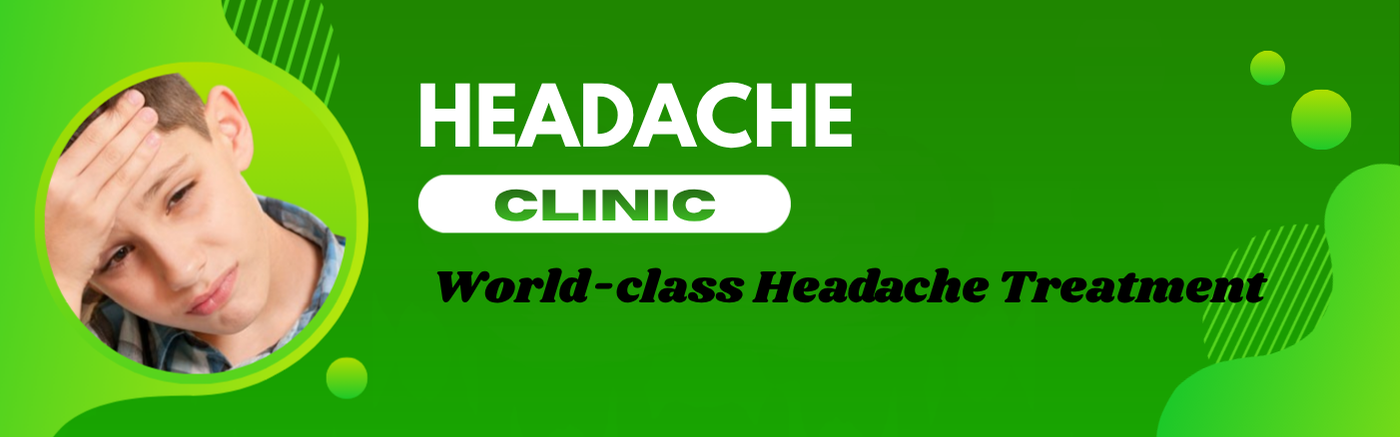
What is Pediatric Headache?
Headache in children is a common symptom, but it should not always be ignored. Some headaches are mild and related to stress, sleep problems, dehydration, eye problems, sinus problems, fever, long screen time, school pressure, or migraine. However, some headaches may be warning signs of serious brain or nervous system conditions such as raised intracranial pressure, hydrocephalus, brain tumor, meningitis, brain abscess, head injury, vascular disease, or seizure disorder.
Pediatric headache needs careful evaluation because children may not always describe symptoms clearly. Younger children may cry, become irritable, avoid light, vomit, sleep excessively, hold their head, refuse food, or show reduced activity. Proper pediatric neurological assessment helps identify whether the headache is primary, such as migraine, or secondary, due to another medical, neurological, or neurosurgical condition.
Common Symptoms That Need Headache Clinic Evaluation
Parents should consult a pediatric headache clinic if a child has:
Repeated headache, severe headache, morning headache, headache with vomiting, headache waking the child from sleep, headache with seizure, headache with blurred vision, headache with double vision, headache after head injury, headache with fever, headache with neck stiffness, headache with weakness, headache with walking imbalance, headache with abnormal eye movement, headache with drowsiness, headache with poor school performance, or progressively worsening headache.
In babies, warning signs may include excessive crying, vomiting, poor feeding, bulging fontanelle, enlarged head, sunset eye sign, seizure, unusual sleepiness, irritability, or reduced activity.
Common Types of Headache in Children
Migraine in Children
Migraine is one of the common causes of recurrent headache in children and adolescents. It may cause moderate to severe headache, nausea, vomiting, light sensitivity, sound sensitivity, abdominal pain, dizziness, visual symptoms, and reduced activity. Some children may sleep after a migraine attack and feel better afterward.
Migraine can affect school attendance, concentration, mood, sleep, and daily activities. Children with frequent migraine need proper evaluation, trigger identification, lifestyle guidance, and follow-up.
Tension-Type Headache
Tension-type headache may be related to stress, poor sleep, long screen time, school pressure, posture, eye strain, dehydration, anxiety, or irregular meals. Children may complain of pressure-like pain, heaviness in the head, or headache after school or study.
Although tension-type headache is often not dangerous, frequent headache should be evaluated if it affects school, sleep, behavior, or daily function.
Headache with Vomiting
Headache with repeated vomiting needs careful evaluation, especially when it occurs in the morning, wakes the child from sleep, or is associated with drowsiness, visual problems, weakness, seizure, or abnormal behavior. These may be warning signs of increased pressure inside the brain.
Headache Due to Raised Intracranial Pressure
Raised intracranial pressure means increased pressure inside the skull. It may happen due to hydrocephalus, brain tumor, brain infection, bleeding, swelling, blocked brain fluid circulation, or other conditions. Symptoms may include headache, vomiting, blurred vision, double vision, drowsiness, irritability, seizure, abnormal eye movement, or enlarged head in babies.
Headache Due to Hydrocephalus
Hydrocephalus is a condition where excess cerebrospinal fluid accumulates inside the brain. In older children, hydrocephalus may cause headache, vomiting, blurred vision, walking imbalance, drowsiness, seizure, or poor school performance. In babies, it may cause enlarged head, bulging fontanelle, sunset eye sign, poor feeding, irritability, and developmental delay.
Children with known VP shunt or ETV history also need careful evaluation if headache returns or worsens.
Brain Tumor-Related Headache
Brain tumors in children may present with headache, repeated vomiting, seizure, imbalance, visual symptoms, weakness, behavioral change, poor school performance, or drowsiness. Headache that is worsening over time or associated with neurological signs should be evaluated urgently.
Brain tumor-related headache may be more noticeable in the morning or may worsen with vomiting, coughing, or lying down.
Headache After Head Injury
Headache after a fall, road accident, sports injury, school injury, or head trauma should be carefully assessed, especially if associated with vomiting, seizure, loss of consciousness, drowsiness, weakness, bleeding from ear or nose, confusion, or abnormal behavior.
Some children may develop post-traumatic headache, concussion symptoms, skull fracture, brain bleeding, or post-traumatic seizure after injury.
Headache After Brain Infection
Children may develop headache after meningitis, encephalitis, brain abscess, TB meningitis, subdural empyema, ventriculitis, or other CNS infections. Headache may be associated with seizure, hydrocephalus, developmental delay, weakness, recurrent fever, or neurological symptoms.
Headache with Seizure
Headache and seizure together need careful pediatric neurology evaluation. Some children may have headache before or after seizure. Some seizure disorders may be associated with brain tumor, hydrocephalus, vascular malformation, infection, trauma, or congenital brain malformation.
Headache with Eye or Vision Problems
Headache with blurred vision, double vision, squint, abnormal eye movement, eye pain, or poor visual attention may suggest eye problems, migraine, raised intracranial pressure, brain tumor, hydrocephalus, or other neurological conditions. A child with headache and visual symptoms should not be ignored.
Sinus, Eye Strain and Lifestyle-Related Headache
Some headaches may be associated with sinus infection, vision problems, poor sleep, dehydration, long screen time, irregular meals, stress, poor posture, or school pressure. These causes should be assessed properly, especially when headache is recurrent or affecting daily life.
Emergency Warning Signs of Headache in Children
Parents should seek urgent pediatric neurocare evaluation if a child has:
Severe headache, sudden worst headache, repeated vomiting, morning headache, headache waking the child from sleep, headache with seizure, headache with blurred vision, headache with double vision, headache with weakness of hand or leg, headache with walking imbalance, headache with drowsiness, headache after head injury, headache with fever and neck stiffness, headache with confusion, headache with abnormal eye movement, headache with poor school performance, progressively worsening headache, or headache with known VP shunt.
In babies, urgent signs include excessive crying, vomiting, poor feeding, bulging fontanelle, enlarged head, sunset eye sign, seizure, abnormal sleepiness, reduced activity, or rapidly increasing head size.
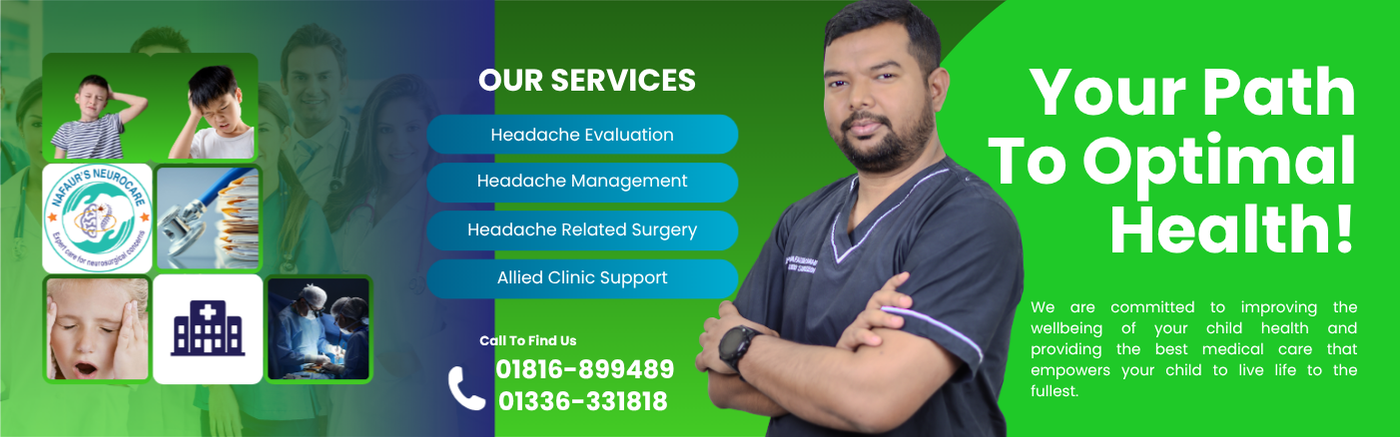
Headache Clinic Services at Nafaur’s Neurocare
The Headache Clinic in Nafaur’s Neurocare provides dedicated pediatric evaluation and follow-up services for children with recurrent headache, migraine, severe headache, headache with vomiting, headache with seizure, headache after trauma, headache with suspected raised intracranial pressure, and headache related to brain or spine conditions.
Services may include:
Pediatric neurology consultation, pediatric neurosurgical consultation when required, headache history evaluation, migraine assessment, neurological examination, vision-related symptom review, seizure evaluation, developmental assessment, CT scan review, MRI brain review, EEG report review when needed, hydrocephalus assessment, VP shunt headache evaluation, ETV follow-up guidance, brain tumor warning sign evaluation, post-traumatic headache follow-up, CNS infection-related headache follow-up, lifestyle and trigger counseling, sleep and screen-time guidance, parent education, and long-term follow-up planning.
The clinic helps parents understand the possible cause of headache, warning signs, investigation needs, treatment options, lifestyle triggers, emergency symptoms, and follow-up plan.
Pediatric Neurology Support for Headache
Pediatric neurology is important for children with recurrent headache, migraine, seizure, dizziness, visual symptoms, abnormal movement, developmental delay, or neurological warning signs. A proper pediatric neurological evaluation helps distinguish common headache from serious neurological conditions.
At Nafaur’s Neurocare, pediatric neurology support may help with migraine evaluation, seizure-related headache assessment, headache diary planning, medicine follow-up guidance, trigger identification, sleep and lifestyle advice, and long-term care planning.
Pediatric Neurosurgery Support for Headache
Some headaches in children are related to neurosurgical conditions. Pediatric neurosurgical evaluation may be important when headache is associated with hydrocephalus, brain tumor, Chiari malformation, brain cyst, craniosynostosis, head injury, brain bleeding, CNS infection complications, VP shunt malfunction, or raised intracranial pressure.
At Nafaur’s Neurocare, pediatric neurosurgical assessment may be required if a child has abnormal MRI or CT scan findings, progressive headache, vomiting, visual symptoms, hydrocephalus, brain lesion, shunt symptoms, or neurological deterioration.
Migraine Care and Lifestyle Guidance
Children with migraine may need regular follow-up, trigger identification, sleep routine correction, hydration, regular meals, screen time control, stress management, and medicine guidance when needed. Migraine triggers may include lack of sleep, skipped meals, dehydration, excessive screen time, bright light, loud sound, stress, certain foods, and irregular routine.
The Headache Clinic in Nafaur’s Neurocare helps parents understand how to monitor headache frequency, identify triggers, recognize danger signs, and support the child’s daily life and school activities.
A headache diary may help track headache timing, food intake, sleep pattern, screen time, school stress, vomiting, medicine use, and warning symptoms.
Headache and School Performance
Recurrent headache can affect school attendance, concentration, memory, mood, sleep, and academic performance. Some children may avoid school because of headache, migraine, anxiety, vision problems, or neurological symptoms. Proper evaluation is important when headache becomes frequent or affects daily activities.
Children with headache and learning difficulty, behavioral change, seizure, or developmental concerns may need pediatric neurological and developmental assessment.
Headache and Screen Time
Long screen time, mobile phone use, gaming, online classes, poor posture, and sleep disturbance can contribute to headache in many children. Excessive screen exposure may also worsen migraine, eye strain, neck pain, irritability, and attention problems.
Nafaur’s Neurocare provides parent counseling on screen-time balance, sleep routine, hydration, posture, breaks during study, and lifestyle support for children with recurrent headache.
SEO search terms include screen time headache child Bangladesh, mobile use headache children Dhaka, child eye strain headache Bangladesh, headache due to mobile use child, and screen time migraine child Dhaka.
Headache After VP Shunt Surgery
Children with VP shunt for hydrocephalus may develop headache due to shunt malfunction, shunt infection, over-drainage, under-drainage, or other causes. Headache in a child with VP shunt should be evaluated carefully, especially if associated with vomiting, drowsiness, fever, seizure, irritability, redness along shunt tract, or worsening neurological symptoms.
Headache After ETV Surgery
Some children treated with ETV for hydrocephalus may develop headache if CSF circulation becomes problematic again or if raised intracranial pressure returns. Headache with vomiting, drowsiness, eye symptoms, seizure, or neurological deterioration after ETV should be evaluated urgently.
Long-Term Follow-Up for Pediatric Headache
Some children need long-term follow-up for migraine, chronic headache, post-traumatic headache, headache with epilepsy, headache with hydrocephalus, headache after CNS infection, or headache due to brain and neurological conditions. Follow-up helps monitor symptoms, medicine response, school impact, trigger control, imaging findings, and new warning signs.
Long-term follow-up may include:
Headache diary review, neurological examination, medicine follow-up, MRI or CT report review when needed, EEG review when seizure is suspected, lifestyle guidance, sleep routine counseling, screen time guidance, developmental assessment, and parent education.
Nafaur’s Neurocare provides child-focused follow-up guidance for families dealing with recurrent or complex pediatric headache.
Parent Guidance for Child Headache
Parents should observe headache timing, severity, vomiting, fever, sleep pattern, screen time, school stress, vision symptoms, seizure, head injury history, and whether the child wakes from sleep due to headache. Parents should not repeatedly give medicine without understanding the cause of headache.
Parents should seek urgent care if headache is severe, progressive, associated with vomiting, seizure, drowsiness, weakness, visual symptoms, neck stiffness, head injury, or abnormal behavior.
Allied Clinic Support at Nafaur’s Neurocare
Nafaur’s Neurocare runs different allied clinics to support children with complex pediatric neurological and developmental needs. Children attending the Headache Clinic may benefit from:
Developmental assessment, psychological support, nutrition guidance, sleep routine counseling, screen-time counseling, rehabilitation support after trauma or infection, physiotherapy when posture or neck-related issues are involved, seizure monitoring, school-readiness support, parent counseling, and long-term child neurocare planning.
This integrated approach helps families receive pediatric neurology, pediatric neurosurgery evaluation when required, developmental care, rehabilitation guidance, and allied child neurocare from one dedicated pediatric neurocare platform in Bangladesh.
Why Choose Nafaur’s Neurocare for Headache Clinic?
Parents choose Nafaur’s Neurocare because it provides a dedicated pediatric neurocare environment for children with headache, migraine, seizure, hydrocephalus, brain tumor, neurotrauma, CNS infection, developmental delay, brain, spine, nerve, and neurological conditions. The Headache Clinic is designed to support families from early symptom recognition to diagnosis, treatment guidance, warning sign assessment, imaging review, and long-term follow-up.
Key reasons to choose Nafaur’s Neurocare include:
Dedicated pediatric neurology and pediatric neurosurgery services, child-focused headache evaluation, migraine care guidance, headache with vomiting assessment, brain pressure warning sign evaluation, hydrocephalus and brain tumor-related headache assessment, seizure-related headache evaluation, VP shunt headache assessment, CT and MRI review support, parent-friendly counseling, allied clinic support, Bangladesh-focused pediatric neurocare, accessible location in Shyamoli, Dhaka, and easy contact through phone, social media, and Google Map.
Bangladesh Perspective: Child Headache Should Not Always Be Ignored
In Bangladesh, many children with repeated headache are treated as simple fever, gastric problem, eye problem, sinus problem, stress, or school avoidance without proper neurological evaluation. While many headaches are not dangerous, some headaches may be the first sign of hydrocephalus, brain tumor, CNS infection, seizure disorder, brain pressure, VP shunt malfunction, or head injury complication.
Parents should seek expert pediatric neurocare evaluation if headache is severe, recurrent, worsening, associated with vomiting, seizure, visual problem, weakness, drowsiness, fever with neck stiffness, head injury, or poor school performance.
The Headache Clinic in Nafaur’s Neurocare focuses on early detection, proper diagnosis, parent education, pediatric neurological assessment, pediatric neurosurgical evaluation when required, and long-term headache care for children in Bangladesh.
Chamber Address
Nafaur’s Neurocare
H # 24/1, Level # 7, Shyamoli Square
Shyamoli Cinema Hall Building, Mirpur Road, Shyamoli
Dhaka – 1207, Bangladesh
Google Map Location
For easy direction and exact location, visit Nafaur’s Neurocare through Google Map:
Google Map:
https://maps.app.goo.gl/zU4EcLt9CS7k2WVL8
Appointment Numbers
For appointment and consultation:
01816899489
01336331818
Social Media Links for Easy Contact
Facebook:
https://www.facebook.com/NafaursNeurocare
Instagram:
https://www.instagram.com/neurocarebd