Neurovascular Clinic in Nafaur’s Neurocare
Dedicated Pediatric Stroke, Moyamoya Disease, Brain AVM, Aneurysm, Vascular Malformation, Pediatric Neurosurgery & Pediatric Neurology Services in Bangladesh
Nafaur’s Neurocare is one of the dedicated pediatric neurocare centres in Bangladesh, providing specialized pediatric neurosurgical, pediatric neurological, developmental, rehabilitation, and allied child neurocare services for newborns, infants, children, and adolescents. Through its Pediatric Neurosurgical and Neurological Clinic, Neurovascular Clinic, Epilepsy Clinic, Headache Clinic, Neuro Development Clinic, Cerebral Palsy Clinic, Movement Disorders Clinic, and allied child neurocare services, Nafaur’s Neurocare provides focused evaluation and care for children with pediatric stroke, Moyamoya disease, brain arteriovenous malformation, cerebral aneurysm, cavernoma, brain hemorrhage, vascular malformation, vein of Galen malformation, spinal vascular malformation, seizure due to vascular lesion, sudden weakness, facial drooping, speech difficulty, headache, vomiting, unconsciousness, and complex pediatric neurovascular conditions.
The Neurovascular Clinic in Nafaur’s Neurocare is specially designed for babies and children who have suspected or diagnosed brain and spinal blood vessel disorders. These conditions may affect blood flow to the brain, cause stroke, bleeding, seizure, weakness, developmental delay, movement difficulty, headache, visual symptoms, or life-threatening neurological emergencies.
Many parents in Bangladesh search for pediatric stroke treatment in Bangladesh, neurovascular clinic in Dhaka, Moyamoya disease treatment Bangladesh, EDAS surgery in Dhaka, brain AVM treatment in children Bangladesh, pediatric aneurysm treatment Bangladesh, child brain hemorrhage treatment Dhaka, cavernoma treatment in children, pediatric neurosurgeon for stroke, pediatric neurologist for neurovascular disease, and best pediatric neurocare centre in Bangladesh. Nafaur’s Neurocare aims to provide dedicated evaluation, imaging review, pediatric neurosurgical counseling, pediatric neurology support, stroke rehabilitation guidance, seizure care, developmental monitoring, parent education, and long-term child neurocare support.
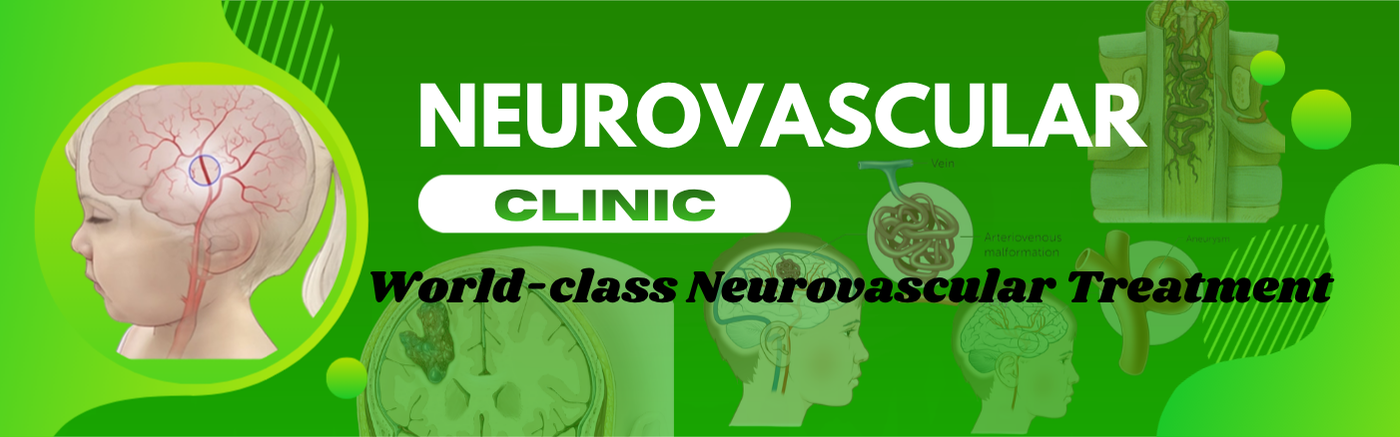
What is Pediatric Neurovascular Disease?
Pediatric neurovascular disease means disorders involving the blood vessels of the brain, spinal cord, and nervous system in children. These conditions may reduce blood flow, block blood vessels, cause bleeding, create abnormal vessel connections, or produce pressure effects inside the brain or spine.
Children can develop neurovascular problems due to congenital vascular malformation, Moyamoya disease, brain AVM, aneurysm, cavernoma, venous malformation, vein of Galen malformation, spinal vascular malformation, blood disorder, heart disease, infection, trauma, clotting disorder, genetic condition, or unknown causes.
Pediatric neurovascular disease is different from adult stroke or adult vascular disease. The causes, symptoms, treatment planning, surgery options, rehabilitation needs, and long-term follow-up are different in children. Early diagnosis is very important because sudden weakness, seizure, severe headache, vomiting, facial weakness, speech difficulty, walking problem, or altered consciousness may indicate a serious brain vascular condition.
Common Symptoms of Neurovascular Disease in Children
Parents should seek urgent medical care if a child has:
Sudden weakness of hand or leg, facial drooping, speech difficulty, sudden seizure, severe headache, repeated vomiting, unconsciousness, confusion, abnormal eye movement, sudden vision problem, walking imbalance, repeated transient weakness, weakness after crying or exercise, sudden developmental regression, severe neck pain, drowsiness, altered behavior, or sudden loss of previously achieved movement.
In babies, warning signs may include seizure, poor feeding, abnormal crying, reduced limb movement, abnormal posture, bulging fontanelle, vomiting, unusual sleepiness, delayed milestone after an acute event, or sudden weakness of one side of the body.
Neurovascular disease can be time-sensitive. Sudden neurological symptoms should be treated as urgent.
Common Pediatric Neurovascular Conditions Evaluated at Nafaur’s Neurocare
Pediatric Stroke
Pediatric stroke occurs when blood flow to part of the brain is blocked or when bleeding occurs inside the brain. Although many people think stroke happens only in adults, children can also suffer stroke. A child may suddenly develop weakness of one side of the body, facial drooping, speech difficulty, seizure, severe headache, vomiting, confusion, or unconsciousness.
Stroke in children may be caused by Moyamoya disease, blood disorders, congenital heart disease, infection, trauma, vascular malformation, clotting problems, sickle cell disease, autoimmune disease, dehydration-related risk, or unknown causes.
Moyamoya Disease
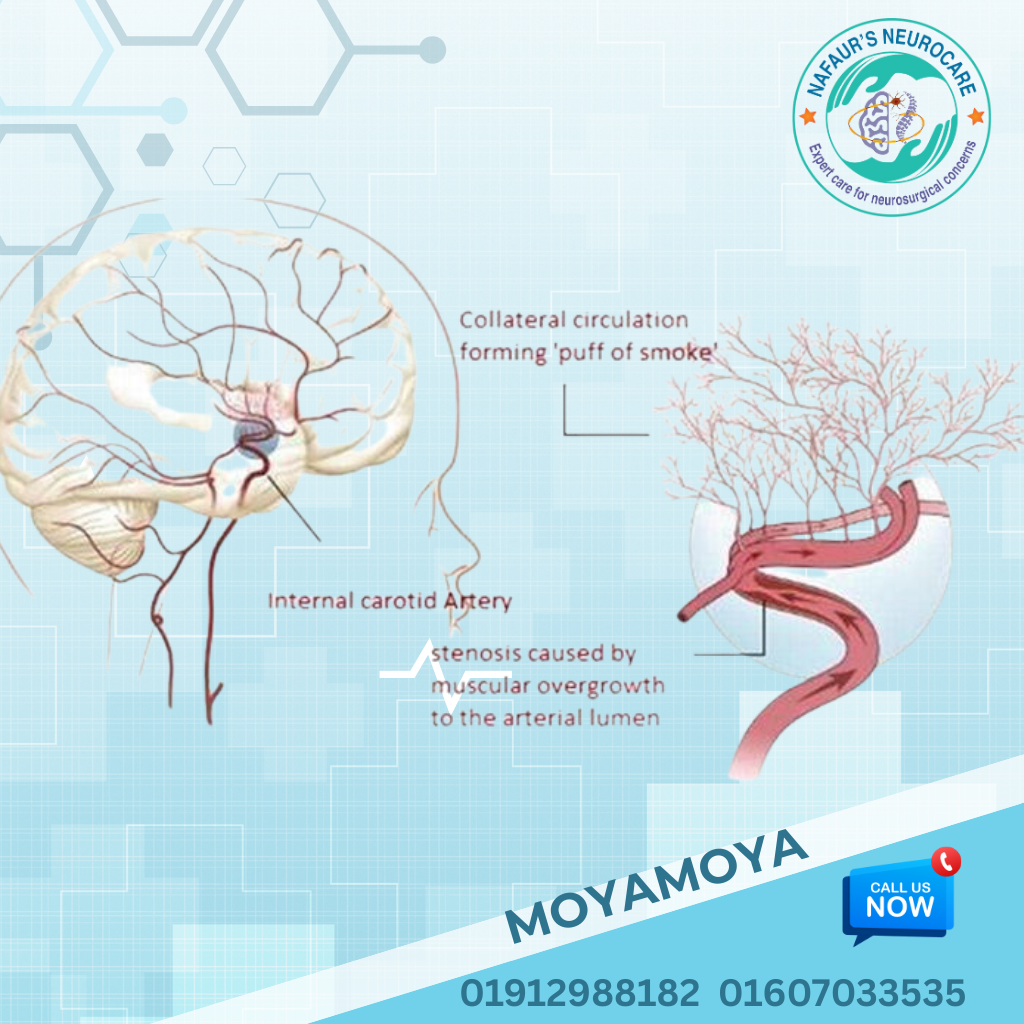
Moyamoya disease is an important cerebrovascular disease where major brain arteries become narrowed, reducing blood flow to the brain. Children with Moyamoya disease may develop repeated stroke, transient ischemic attack, weakness, seizure, headache, speech difficulty, learning difficulty, facial weakness, or weakness triggered by crying, fever, exercise, dehydration, or hyperventilation.
Surgical treatment such as EDAS or other revascularization procedures may be considered in selected cases to improve blood supply to the brain and reduce future stroke risk.
Brain AVM
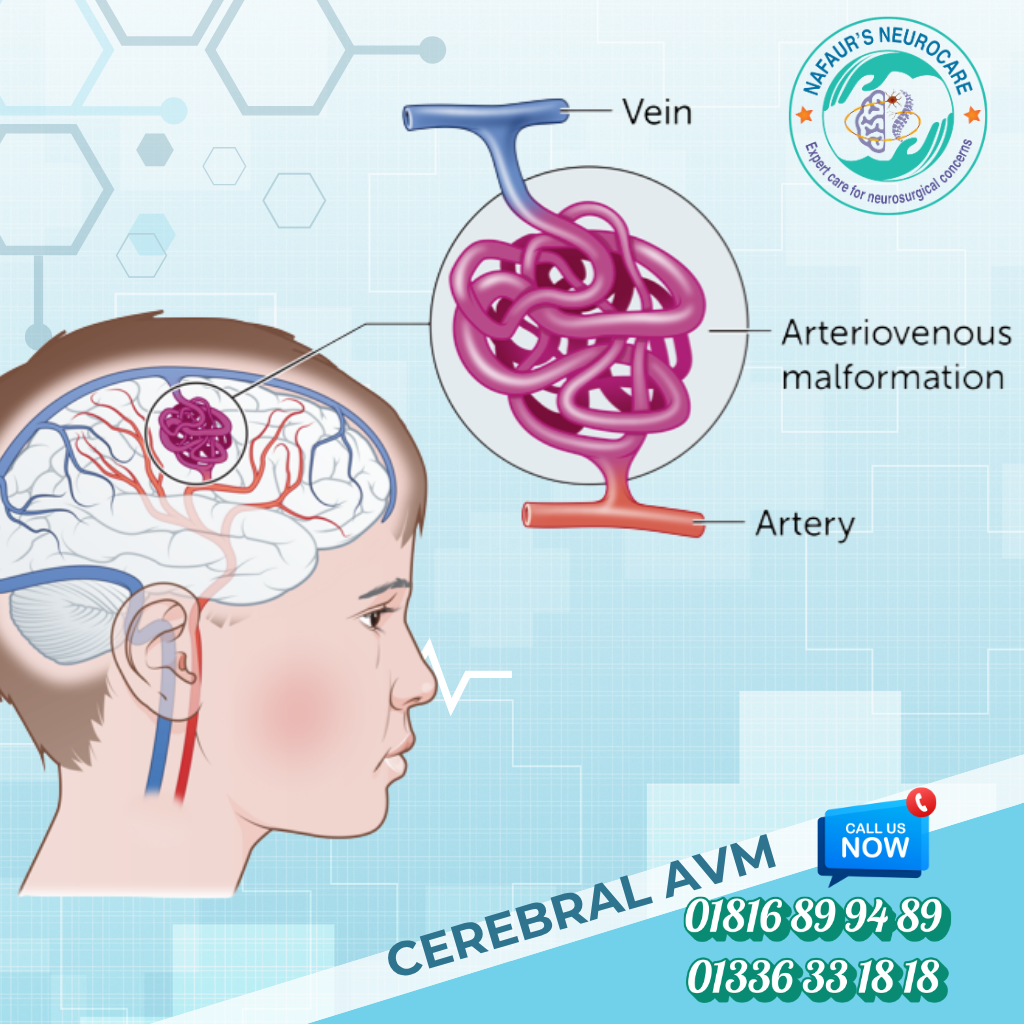
A brain arteriovenous malformation, commonly called brain AVM, is an abnormal connection between arteries and veins in the brain. AVM may cause brain bleeding, seizure, headache, weakness, developmental concern, or neurological deficit. Some AVMs are discovered after sudden hemorrhage, while others are found during evaluation for seizure or headache.
Brain AVM in children needs careful imaging review, pediatric neurosurgical evaluation, and long-term follow-up planning.
Cerebral Aneurysm
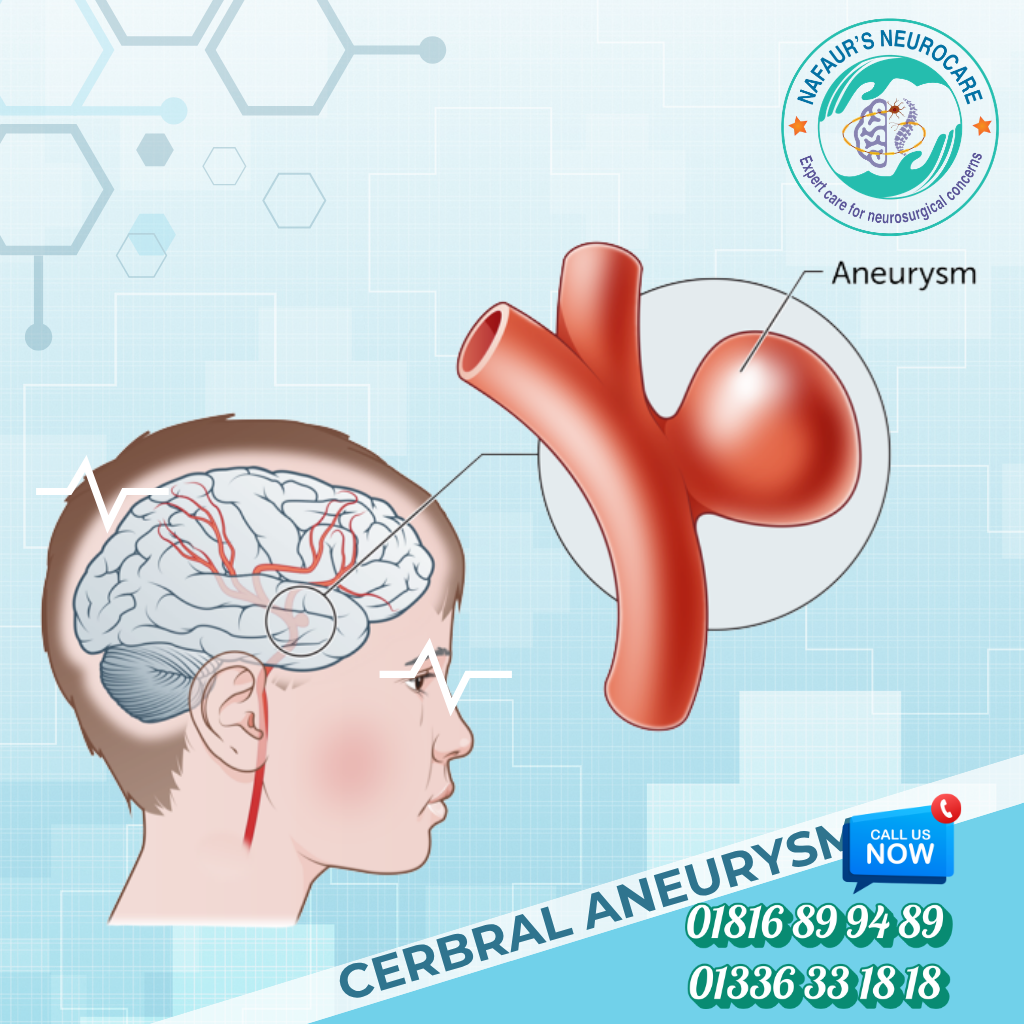
A cerebral aneurysm is a weak bulging area in a brain blood vessel. Although less common in children than adults, pediatric aneurysm can be serious. If ruptured, it may cause sudden severe headache, vomiting, seizure, drowsiness, neck stiffness, weakness, or brain hemorrhage.
Pediatric aneurysm requires careful diagnosis, urgent evaluation when bleeding is suspected, and specialist neurovascular planning.
Cavernoma / Cavernous Malformation
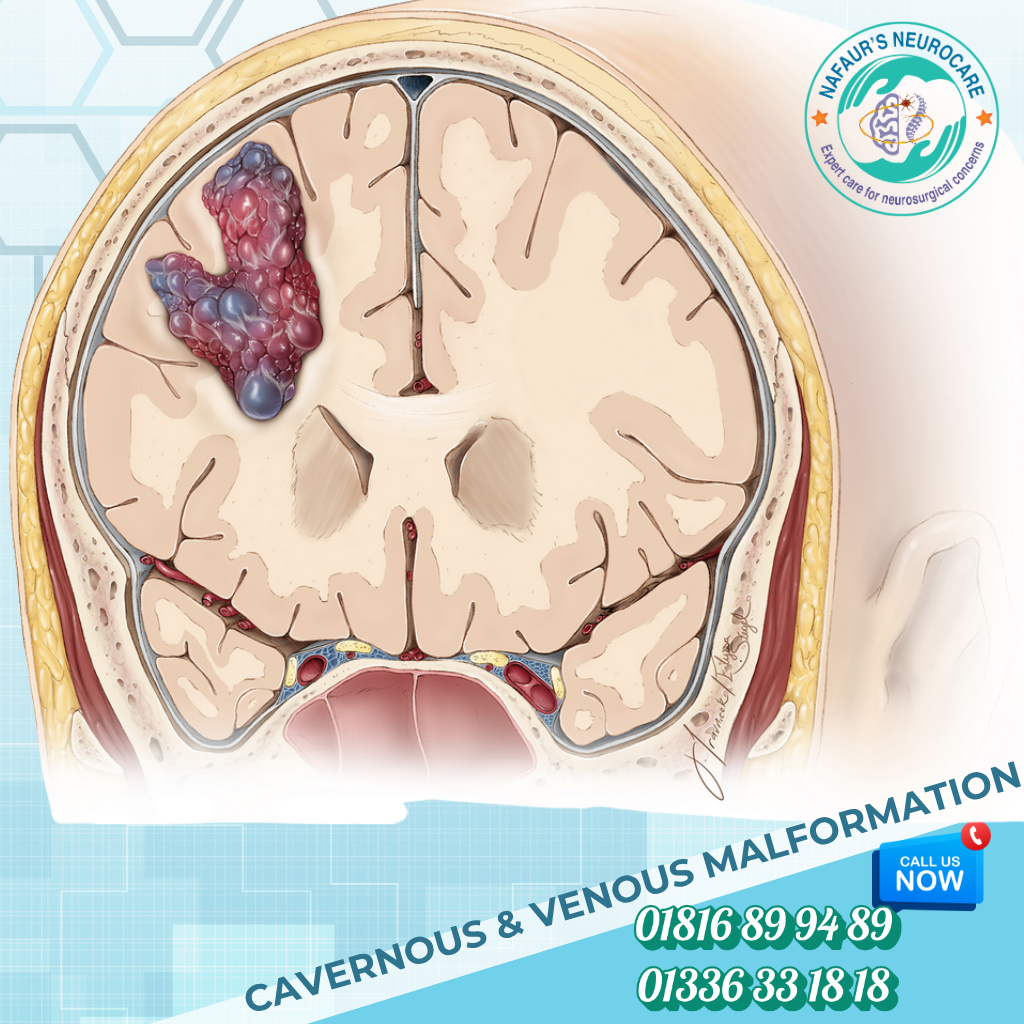
A cavernoma, also called cavernous malformation, is a cluster of abnormal small blood vessels that may occur in the brain or spinal cord. It may cause seizure, headache, bleeding, weakness, abnormal movement, or neurological symptoms depending on location. Brainstem cavernoma can be especially complex and needs expert pediatric neurosurgical evaluation.
Vein of Galen Malformation
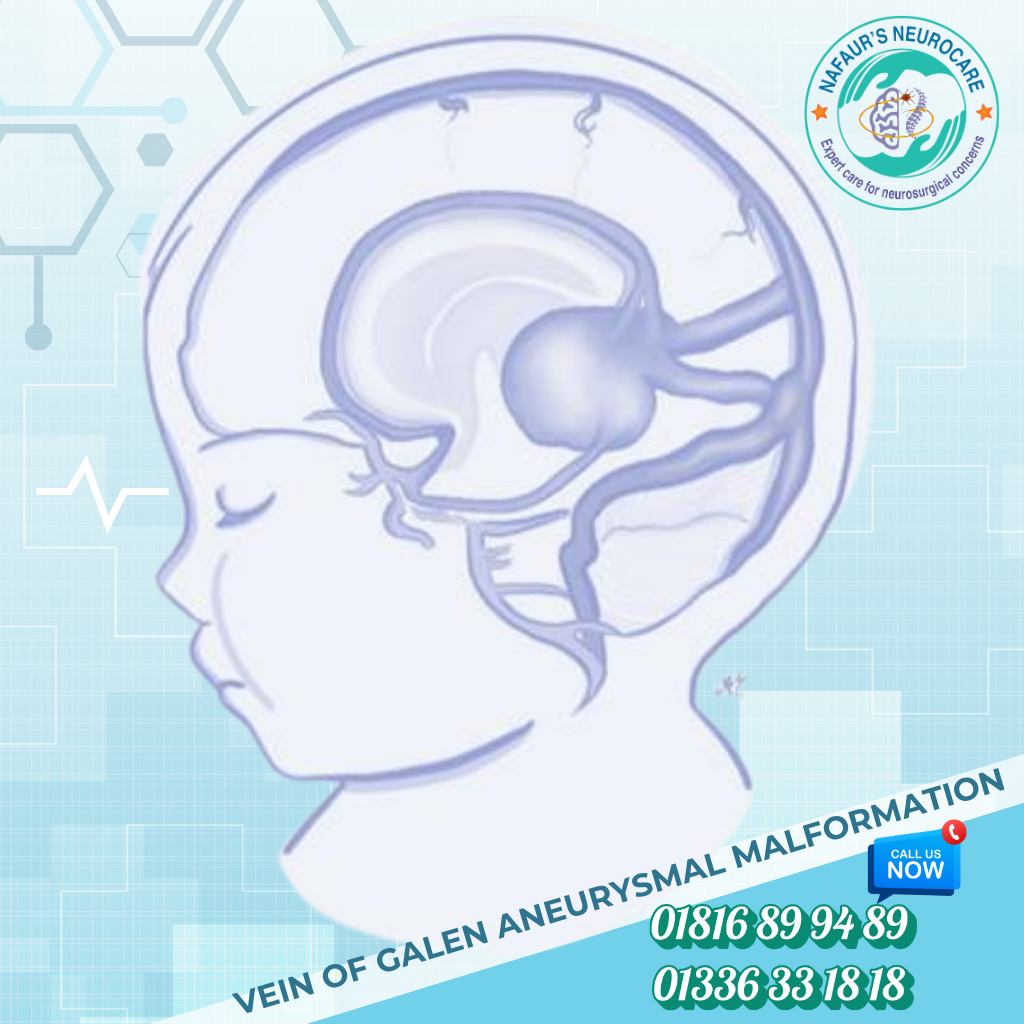
Vein of Galen malformation is a congenital vascular malformation that may present in newborns or infants. It may be associated with heart failure, enlarged head, hydrocephalus, developmental delay, seizure, poor feeding, or neurological symptoms. This condition requires highly specialized evaluation and coordinated care.
Venous Malformation and Developmental Venous Anomaly
Some children may have venous malformations or developmental venous anomalies in the brain. Many are incidental findings, but some may be associated with seizure, headache, bleeding, cavernoma, or other vascular lesions. Proper imaging review helps determine whether monitoring or further treatment is needed.
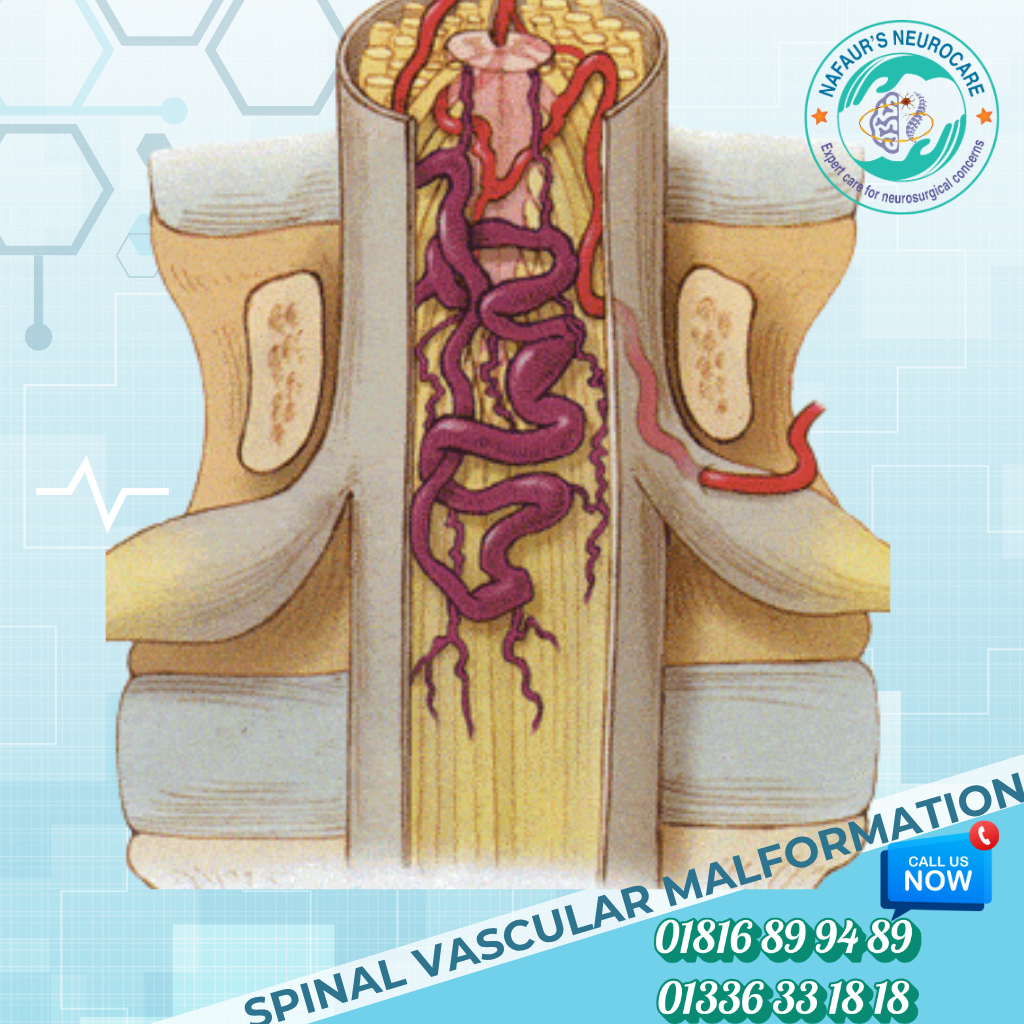
Spinal Vascular Malformation
Spinal vascular malformations may affect the spinal cord and cause weakness, back pain, walking difficulty, numbness, bladder-bowel problems, or progressive neurological decline. These conditions need careful MRI spine review and pediatric neurovascular assessment.
Brain Hemorrhage in Children
Brain hemorrhage means bleeding inside or around the brain. In children, brain hemorrhage may occur due to AVM, aneurysm, cavernoma, trauma, blood disorder, tumor, infection, or unknown vascular cause. Symptoms may include severe headache, vomiting, seizure, sudden weakness, drowsiness, unconsciousness, or neurological deterioration.
Neurovascular Clinic Services at Nafaur’s Neurocare
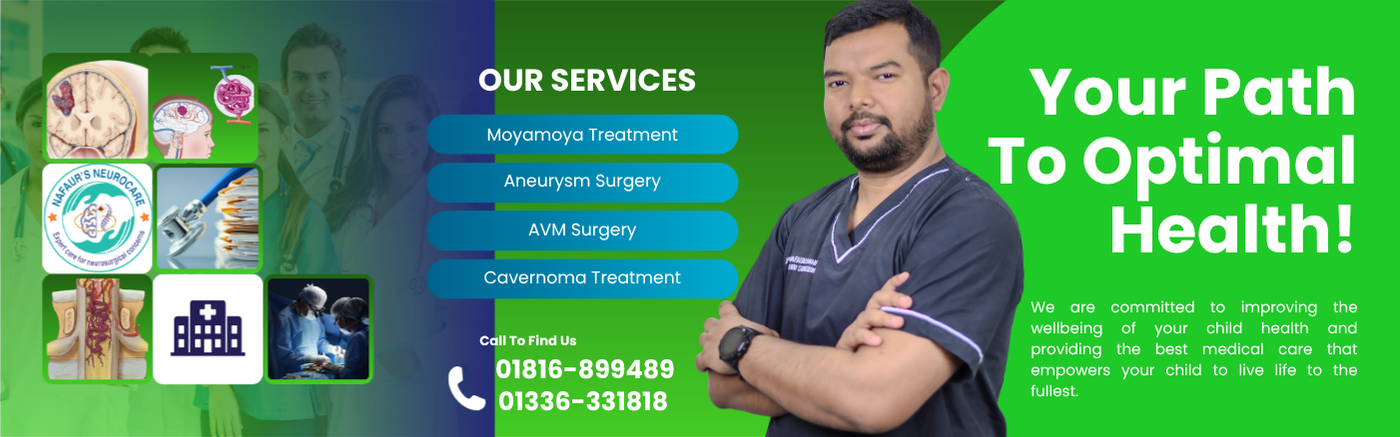
The Neurovascular Clinic in Nafaur’s Neurocare provides dedicated pediatric evaluation and follow-up services for children with stroke, Moyamoya disease, AVM, aneurysm, cavernoma, brain hemorrhage, vein of Galen malformation, spinal vascular malformation, seizure, weakness, and neurovascular complications.
Services may include:
Pediatric neurosurgical consultation, pediatric neurological assessment, pediatric stroke evaluation, Moyamoya disease evaluation, AVM assessment, aneurysm counseling, cavernoma evaluation, brain hemorrhage follow-up, MRI brain review, MRA review, CTA review, MRV review, angiography report review, CT scan review, spinal vascular lesion evaluation, seizure assessment, weakness and gait evaluation, speech difficulty assessment, developmental milestone assessment, surgical counseling, post-operative follow-up, rehabilitation planning, parent counseling, and allied clinic coordination.
The clinic helps parents understand the diagnosis, imaging findings, severity, possible treatment options, surgical need, rehabilitation plan, warning signs, recovery process, and long-term follow-up requirements.
Pediatric Stroke Treatment in Bangladesh
Pediatric stroke is a serious neurological condition that needs early diagnosis and coordinated care. Treatment depends on the cause of stroke, type of stroke, severity, age of the child, associated disease, imaging findings, and whether the stroke is ischemic or hemorrhagic.
Some children need medical treatment and rehabilitation. Some need pediatric neurosurgical or neurovascular procedure planning. Children who have stroke may require long-term follow-up for weakness, seizure, speech delay, learning difficulty, behavior change, school performance, walking, hand function, and developmental progress.
Parents searching for child stroke treatment in Bangladesh, pediatric stroke clinic Dhaka, stroke rehabilitation for children, pediatric neurology for stroke Bangladesh, and pediatric neurosurgeon for stroke in Dhaka can consult Nafaur’s Neurocare for evaluation and guidance.
Moyamoya Disease and EDAS Surgery Guidance
Moyamoya disease is one of the important causes of childhood stroke. Children may have repeated transient ischemic attacks, weakness, seizure, headache, speech problem, learning difficulty, or recurrent stroke. Some children may have symptoms during crying, fever, dehydration, or exertion.
EDAS surgery and other revascularization procedures may help selected children by improving blood supply to the brain. At Nafaur’s Neurocare, children with suspected or diagnosed Moyamoya disease can receive consultation, imaging review, surgical counseling, long-term follow-up planning, and rehabilitation guidance.
Brain AVM, Aneurysm and Brain Hemorrhage Care
Some children present with sudden brain bleeding due to AVM, aneurysm, cavernoma, trauma, blood disorder, or unknown vascular condition. Brain hemorrhage may cause severe headache, vomiting, seizure, weakness, drowsiness, unconsciousness, or rapid neurological deterioration.
Evaluation may include CT scan, MRI, MRA, CTA, MRV, angiography, blood tests, and pediatric neurological assessment. Some children may need emergency neurosurgical care, planned vascular treatment, or long-term follow-up.
Parents searching for child brain hemorrhage treatment Bangladesh, pediatric brain bleeding Dhaka, brain AVM bleeding child, ruptured aneurysm child Bangladesh, and pediatric emergency neurosurgery Dhaka can consult Nafaur’s Neurocare for guidance.
Seizure Due to Neurovascular Disease
Seizure may be the first symptom of a vascular brain lesion such as AVM, cavernoma, stroke, hemorrhage, venous malformation, or brain scar after vascular injury. A child with seizure and abnormal MRI needs careful pediatric neurology and pediatric neurosurgical evaluation.
Pediatric Neurosurgery for Neurovascular Conditions
Some neurovascular conditions may require pediatric neurosurgical evaluation or surgical planning. These may include Moyamoya revascularization surgery, selected AVM surgery, cavernoma surgery, hematoma evacuation, hydrocephalus treatment after hemorrhage, decompression for brain swelling, and selected spinal vascular lesion treatment.
Common search terms include pediatric neurovascular surgery Bangladesh, pediatric cerebrovascular surgery Dhaka, Moyamoya surgery Bangladesh, brain AVM surgery in children, cavernoma surgery Dhaka, and pediatric neurosurgeon for vascular malformation.
The Neurovascular Clinic at Nafaur’s Neurocare provides counseling and guidance regarding diagnosis, treatment options, surgical timing, expected outcomes, risks, post-operative care, and long-term follow-up.
Rehabilitation After Pediatric Stroke or Brain Hemorrhage
Children recovering from stroke or brain hemorrhage may need long-term rehabilitation. Some children improve gradually with coordinated therapy, neurological monitoring, family support, and developmental care.
Follow-up may be needed for:
Weakness of hand or leg, walking difficulty, facial weakness, speech problem, seizure, learning difficulty, behavioral changes, memory issues, school performance, fine motor difficulty, feeding problem, visual symptoms, emotional adjustment, and daily activity participation.
Nafaur’s Neurocare supports children through pediatric neurology follow-up, pediatric neurosurgical care, and allied clinic services such as physiotherapy, developmental therapy, fine motor therapy, speech therapy, nutrition support, and rehabilitation guidance.
Pediatric Neurology Support for Neurovascular Patients
Pediatric neurology support is essential for children with stroke, seizure, headache, weakness, abnormal movement, developmental delay, or learning difficulty due to neurovascular disease. Children may need monitoring for recurrent stroke, seizure control, developmental progress, school performance, and neurological recovery.
At Nafaur’s Neurocare, pediatric neurological assessment may help in seizure evaluation, stroke follow-up, weakness assessment, headache evaluation, developmental monitoring, rehabilitation planning, and long-term child neurocare.
Long-Term Follow-Up for Pediatric Neurovascular Disease
Neurovascular conditions often require long-term monitoring. A child with Moyamoya disease, AVM, aneurysm, cavernoma, stroke, brain hemorrhage, or vascular malformation may need repeated follow-up for neurological function, seizure, headache, weakness, imaging changes, rehabilitation progress, school performance, and developmental outcomes.
Long-term follow-up may include:
Clinical neurological examination, MRI/MRA/CTA report review, seizure monitoring, stroke recurrence monitoring, weakness and gait assessment, developmental evaluation, rehabilitation planning, parent education, and coordination with other specialties when needed.
Nafaur’s Neurocare supports families with structured long-term pediatric neurocare planning.
Parent Guidance for Pediatric Stroke Warning Signs
Parents should seek urgent care if a child develops sudden weakness, facial drooping, speech difficulty, seizure, severe headache, repeated vomiting, sudden vision problem, unconsciousness, confusion, or walking imbalance. These symptoms should not be ignored or delayed.
For children already diagnosed with Moyamoya disease, AVM, aneurysm, cavernoma, or previous stroke, parents should also watch for recurrent weakness, headache, seizure, speech difficulty, drowsiness, or new neurological symptoms.
Early medical care can make a major difference in pediatric neurovascular emergencies.
Allied Clinic Support at Nafaur’s Neurocare
Nafaur’s Neurocare runs different allied clinics to support children with complex pediatric neurological, neurosurgical, developmental, and rehabilitation needs. Children attending the Neurovascular Clinic may benefit from:
Physiotherapy, developmental therapy, fine motor therapy, speech therapy, feeding support guidance, nutrition support, seizure monitoring, psychological support for family, rehabilitation guidance, school-readiness assessment, parent counseling, and long-term developmental follow-up.
This integrated approach helps families receive pediatric neurosurgery, pediatric neurology, developmental care, rehabilitation guidance, and allied child neurocare from one dedicated pediatric neurocare platform in Bangladesh.
Why Choose Nafaur’s Neurocare for Neurovascular Clinic?
Parents choose Nafaur’s Neurocare because it provides a dedicated pediatric neurocare environment for children with pediatric stroke, Moyamoya disease, brain AVM, aneurysm, cavernoma, brain hemorrhage, vascular malformation, seizure, weakness, headache, developmental delay, and complex neurological conditions.
Key reasons to choose Nafaur’s Neurocare include:
Dedicated pediatric neurology and pediatric neurosurgery services, child-focused pediatric stroke evaluation, Moyamoya disease consultation, brain AVM and aneurysm assessment, cavernoma and vascular malformation evaluation, CT scan, MRI, MRA, CTA and angiography report review support, brain hemorrhage follow-up, seizure and weakness assessment, pediatric neurovascular surgery counseling, rehabilitation planning, developmental monitoring, parent-friendly counseling, allied clinic support, Bangladesh-focused pediatric neurocare, accessible location in Shyamoli, Dhaka, and easy contact through phone, social media, and Google Map.
Bangladesh Perspective: Early Neurovascular Diagnosis Can Protect a Child’s Future
In Bangladesh, pediatric stroke and neurovascular disease may be missed because many people think stroke occurs only in adults. Children can also suffer stroke, brain hemorrhage, Moyamoya disease, AVM rupture, aneurysm bleeding, cavernoma-related seizure, and spinal vascular disease.
Parents should seek urgent medical attention if a child develops sudden weakness, seizure, facial drooping, speech difficulty, severe headache, vomiting, unconsciousness, or walking imbalance. Early diagnosis, proper imaging, pediatric neurosurgical evaluation, pediatric neurology follow-up, and rehabilitation can make a meaningful difference in recovery and long-term development.
The Neurovascular Clinic in Nafaur’s Neurocare focuses on early detection, imaging review, pediatric neurosurgical assessment, pediatric neurological follow-up, surgery counseling when required, parent education, rehabilitation planning, and long-term child neurocare support in Bangladesh.
Chamber Address
Nafaur’s Neurocare
H # 24/1, Level # 7, Shyamoli Square
Shyamoli Cinema Hall Building, Mirpur Road, Shyamoli
Dhaka – 1207, Bangladesh
Google Map Location
For easy direction and exact location, visit Nafaur’s Neurocare through Google Map:
Google Map:
https://maps.app.goo.gl/zU4EcLt9CS7k2WVL8
Appointment Numbers
For appointment and consultation:
01816899489
01336331818
Social Media Links for Easy Contact
Facebook:
https://www.facebook.com/NafaursNeurocare
Instagram:
https://www.instagram.com/neurocarebd