Congenital Birth Defects Clinic in Nafaur’s Neurocare
Dedicated Pediatric Birth Defect, Congenital Brain & Spine Disorder, Pediatric Neurosurgery, Pediatric Neurology & Child Neurocare Services in Bangladesh
Nafaur’s Neurocare is one of the dedicated pediatric neurocare centres in Bangladesh, providing specialized pediatric neurosurgical, pediatric neurological, developmental, rehabilitation, and allied child neurocare services for newborns, infants, children, and adolescents. Through its Pediatric Neurosurgical and Neurological Clinic, Congenital Birth Defects Clinic, Hydrocephalus Clinic, Spina Bifida Clinic, Craniosynostosis Clinic, Neuro Development Clinic, Cerebral Palsy Clinic, Epilepsy Clinic, and other allied child neurocare services, Nafaur’s Neurocare provides focused evaluation and care for children with congenital birth defects, brain malformations, spinal defects, skull deformities, hydrocephalus, neural tube defects, encephalocele, craniosynostosis, developmental delay, seizure, movement problems, and complex pediatric neurological conditions.
The Congenital Birth Defects Clinic in Nafaur’s Neurocare is specially designed for babies and children born with structural abnormalities of the brain, skull, spine, spinal cord, nerves, face, and neurodevelopmental system. Many parents in Bangladesh search for congenital birth defects treatment in Bangladesh, birth defect clinic in Dhaka, pediatric neurosurgeon for birth defects, newborn brain defect treatment Bangladesh, newborn spine defect treatment Dhaka, hydrocephalus treatment for newborn, spina bifida surgery in Bangladesh, encephalocele surgery in Dhaka, craniosynostosis surgery Bangladesh, and best pediatric neurocare centre in Bangladesh. Nafaur’s Neurocare aims to provide dedicated evaluation, early diagnosis support, imaging review, pediatric neurosurgical counseling, pediatric neurology follow-up, developmental monitoring, rehabilitation guidance, parent education, and long-term child neurocare planning.

What Are Congenital Birth Defects?
Congenital birth defects are structural or functional abnormalities that are present from birth. Some birth defects are visible immediately after delivery, such as swelling on the back, abnormal head shape, enlarged head, skull defect, facial abnormality, or swelling over the skull. Others may become noticeable later when the child develops delayed milestone, seizure, weakness of limbs, feeding difficulty, developmental delay, abnormal movement, bladder-bowel problems, walking difficulty, or learning difficulties.
In pediatric neurocare, congenital birth defects may involve the brain, skull, spine, spinal cord, nerves, craniofacial structures, and developmental system. These conditions often require careful evaluation because timely diagnosis and proper treatment planning can help reduce complications and improve long-term child development.
The goal of the Congenital Birth Defects Clinic at Nafaur’s Neurocare is to help families understand the child’s condition, identify urgent warning signs, plan treatment when required, and support long-term neurological and developmental care.
Common Congenital Birth Defects Evaluated at Nafaur’s Neurocare
Congenital Hydrocephalus
Congenital hydrocephalus is a condition where excess brain fluid, known as cerebrospinal fluid or CSF, accumulates inside the brain ventricles from birth or early infancy. It may cause enlarged head size, bulging fontanelle, vomiting, irritability, poor feeding, sunset eye sign, seizure, and developmental delay.
Some babies are diagnosed during pregnancy through antenatal ultrasound or fetal MRI, while others are diagnosed after birth due to rapidly increasing head size.
Spina Bifida and Neural Tube Defects
Spina bifida is a congenital spinal defect where the spine and spinal cord do not develop properly. It may present as an open swelling on the back, covered swelling, skin dimple, hair patch, fatty lump, weakness of legs, foot deformity, walking difficulty, bladder-bowel problem, or delayed milestone.
Neural tube defects may include myelomeningocele, meningocele, lipomyelomeningocele, encephalocele, and other congenital brain or spine defects.
Myelomeningocele
Myelomeningocele is one of the most serious forms of spina bifida. In this condition, the spinal cord and nerves may protrude through an opening in the spine. Babies with myelomeningocele need early pediatric neurosurgical evaluation because exposed neural tissue may be at risk of infection, injury, and long-term neurological complications.
Children with myelomeningocele may also have hydrocephalus, Chiari malformation, leg weakness, foot deformity, bladder-bowel dysfunction, developmental delay, and mobility challenges.
Encephalocele
Encephalocele is a congenital skull defect where brain tissue or brain covering may protrude through an opening in the skull. It may occur at the back of the head, forehead, nose region, or other skull areas. Some encephaloceles are detected during pregnancy, while others are clearly visible after birth.
Babies with encephalocele need pediatric neurosurgical evaluation, imaging review, surgical planning, and long-term developmental follow-up.
Craniosynostosis and Abnormal Head Shape
Craniosynostosis occurs when one or more skull sutures close too early, causing abnormal head shape and skull growth problems. It may present as long narrow head, triangular forehead, flat forehead, facial asymmetry, skull ridge, early closure of soft spot, or eye position changes.
Early diagnosis is important because selected cases may need pediatric neurosurgical or craniofacial surgery planning.
Congenital Brain Malformations
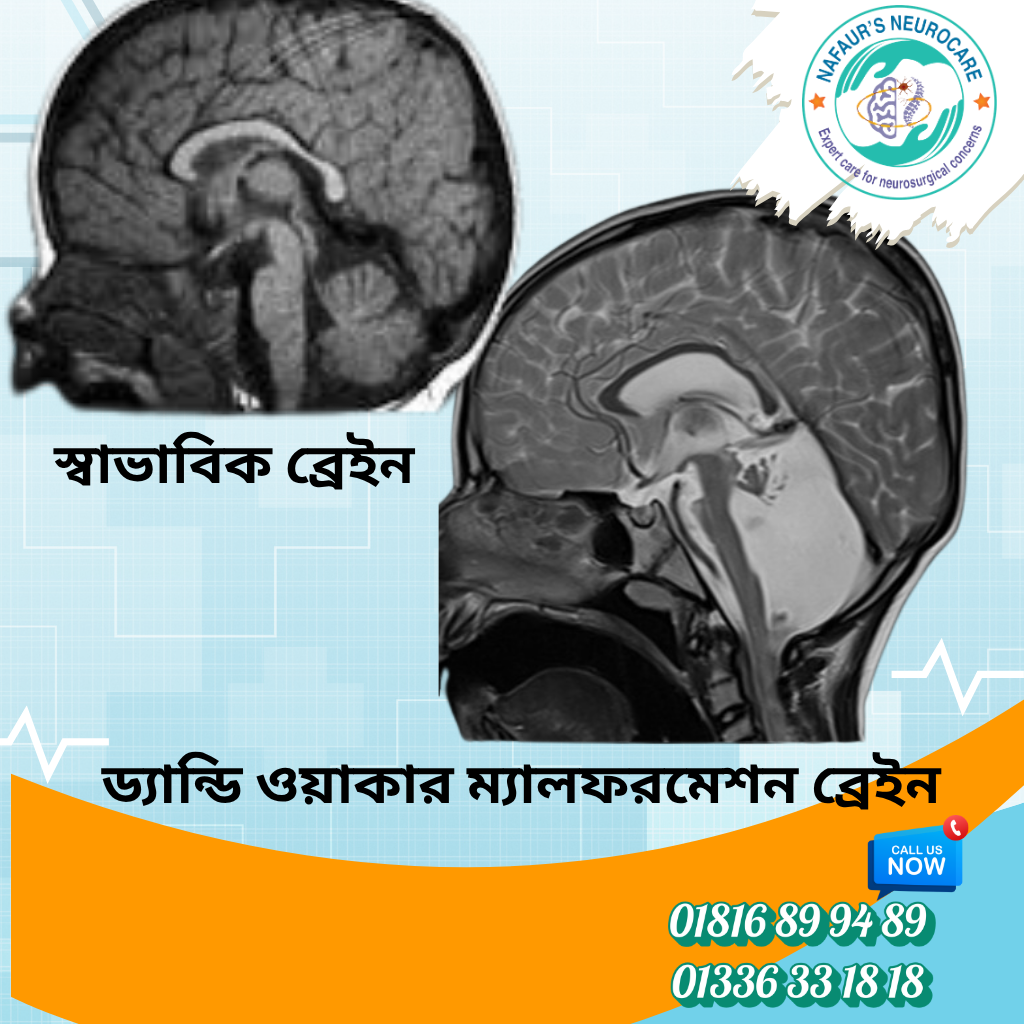
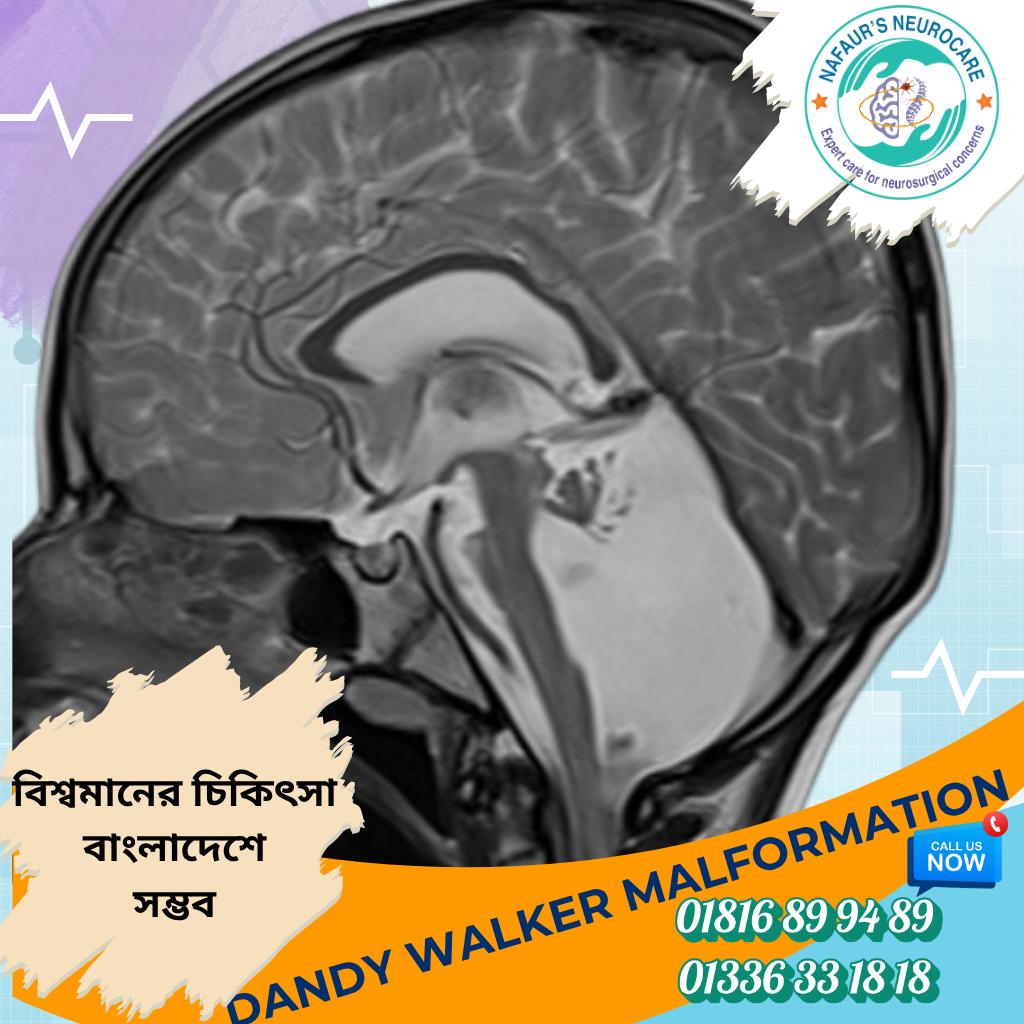
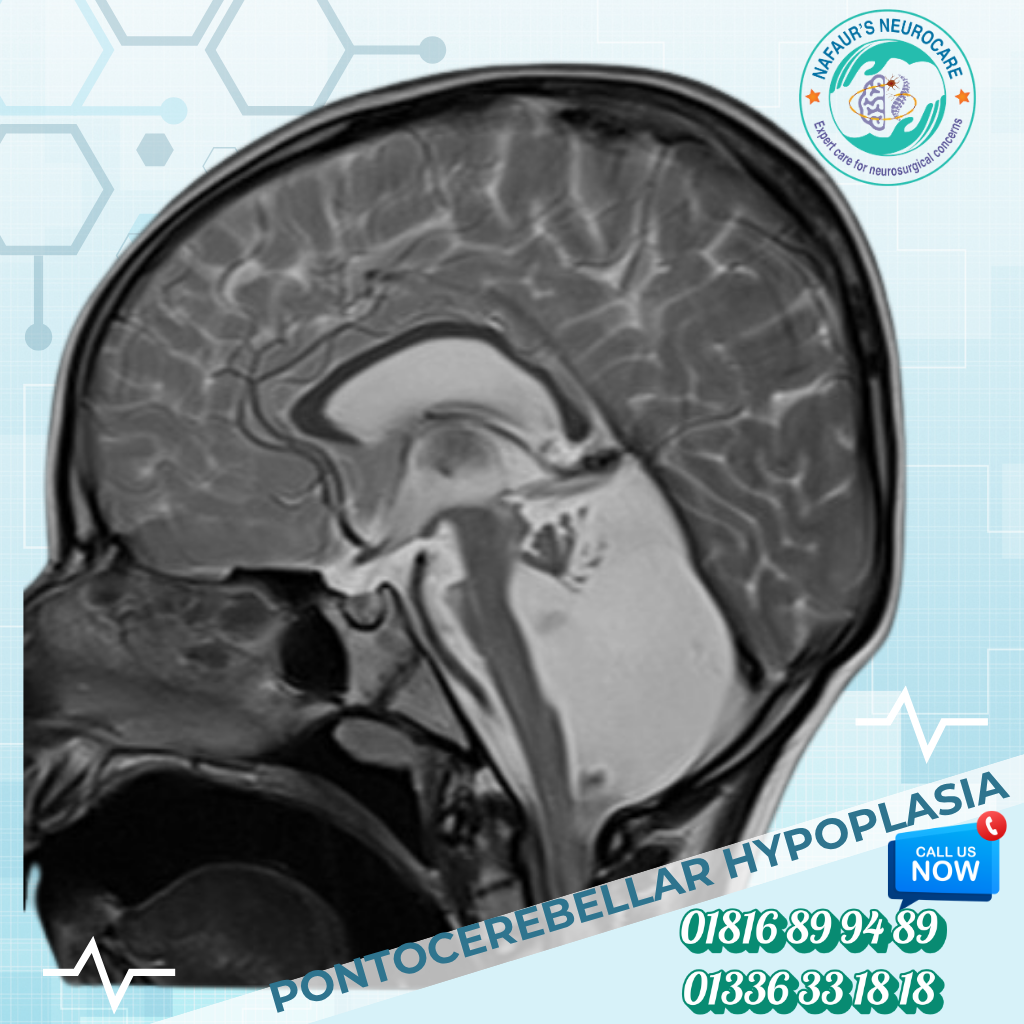
Some children are born with structural brain malformations that affect brain growth, development, movement, seizure control, learning, and behavior. These may include Dandy-Walker malformation, holoprosencephaly, arachnoid cyst, schizencephaly, lissencephaly, corpus callosum abnormality, cortical dysplasia, Joubert syndrome, cerebellar hypoplasia, and other rare pediatric brain disorders.
Children with congenital brain malformations may need pediatric neurology follow-up, seizure care, developmental monitoring, therapy planning, and pediatric neurosurgical evaluation when hydrocephalus, cyst, or pressure-related problems are present.
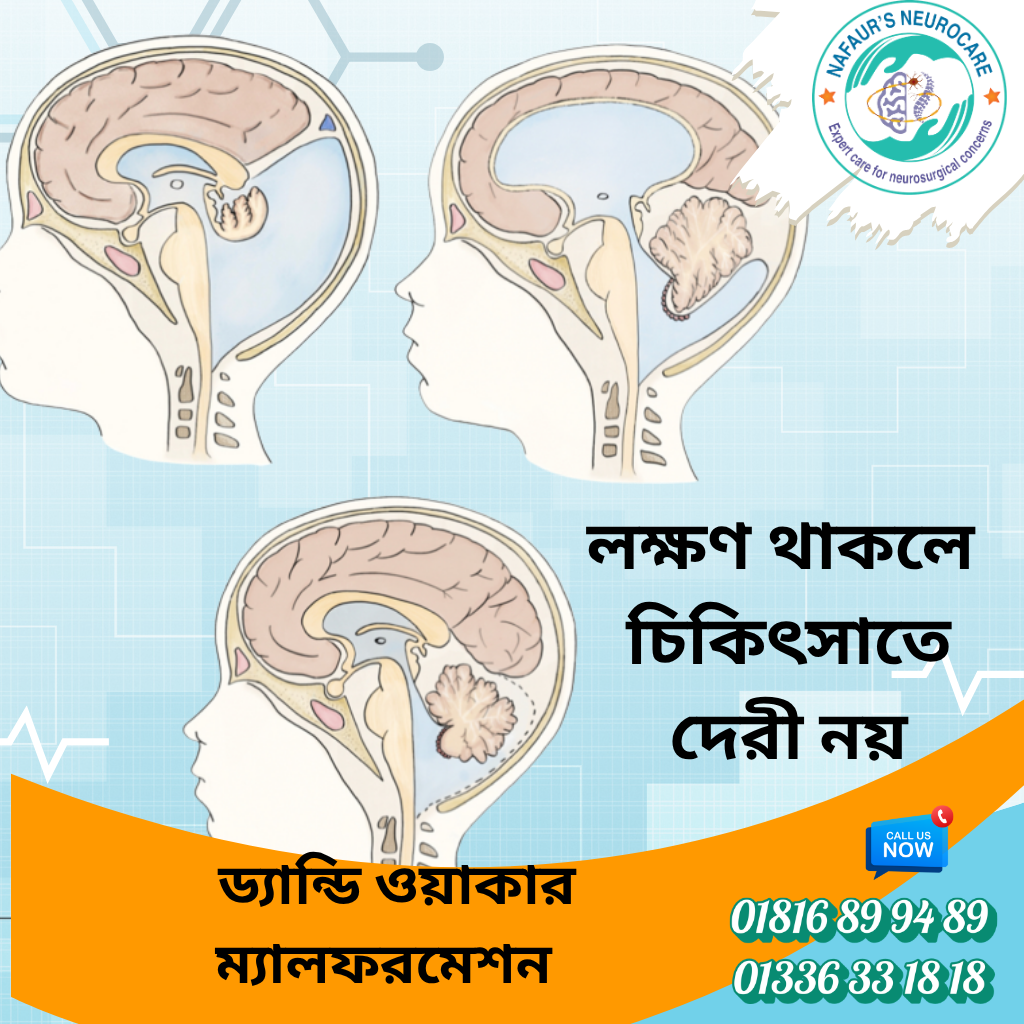
Dandy-Walker Malformation
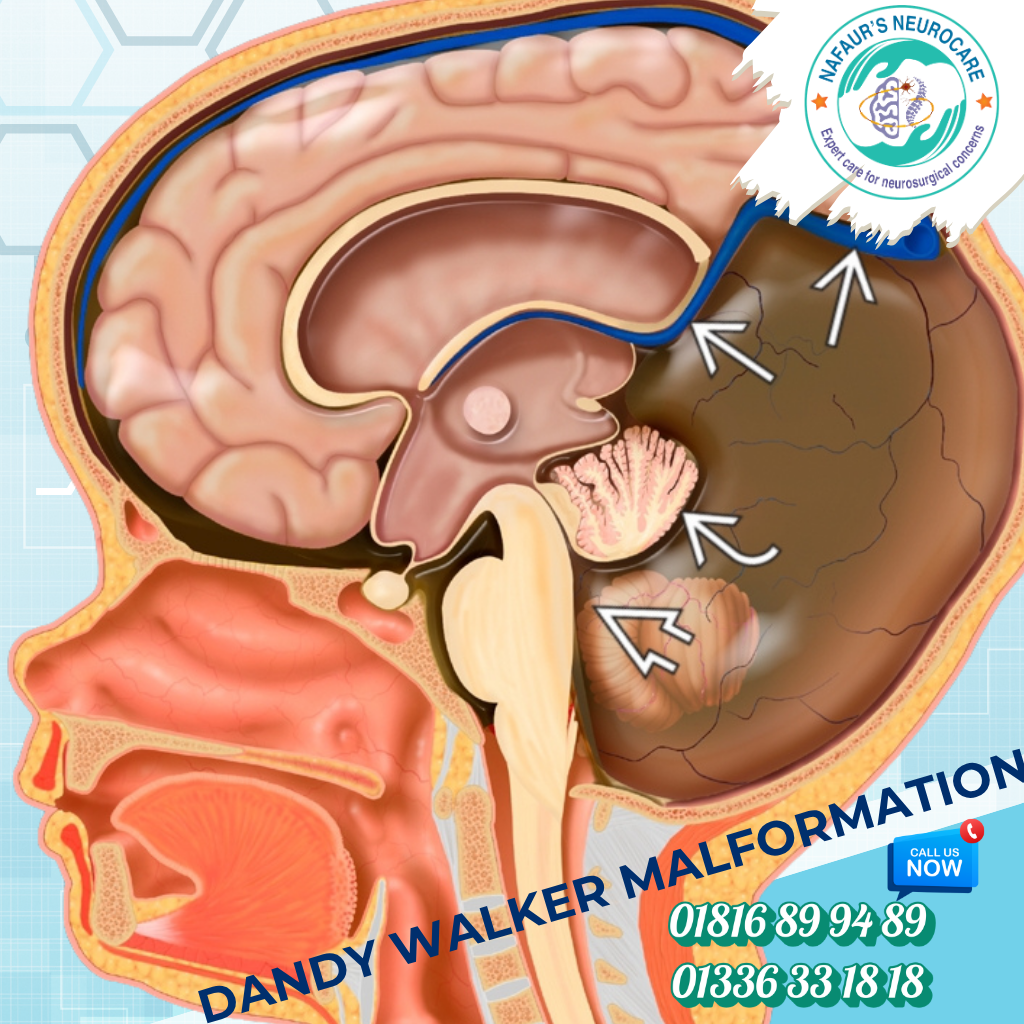
Dandy-Walker malformation is a congenital brain condition involving the cerebellum and posterior fossa. It may be associated with hydrocephalus, developmental delay, motor delay, poor coordination, enlarged head, seizure, and other brain abnormalities.
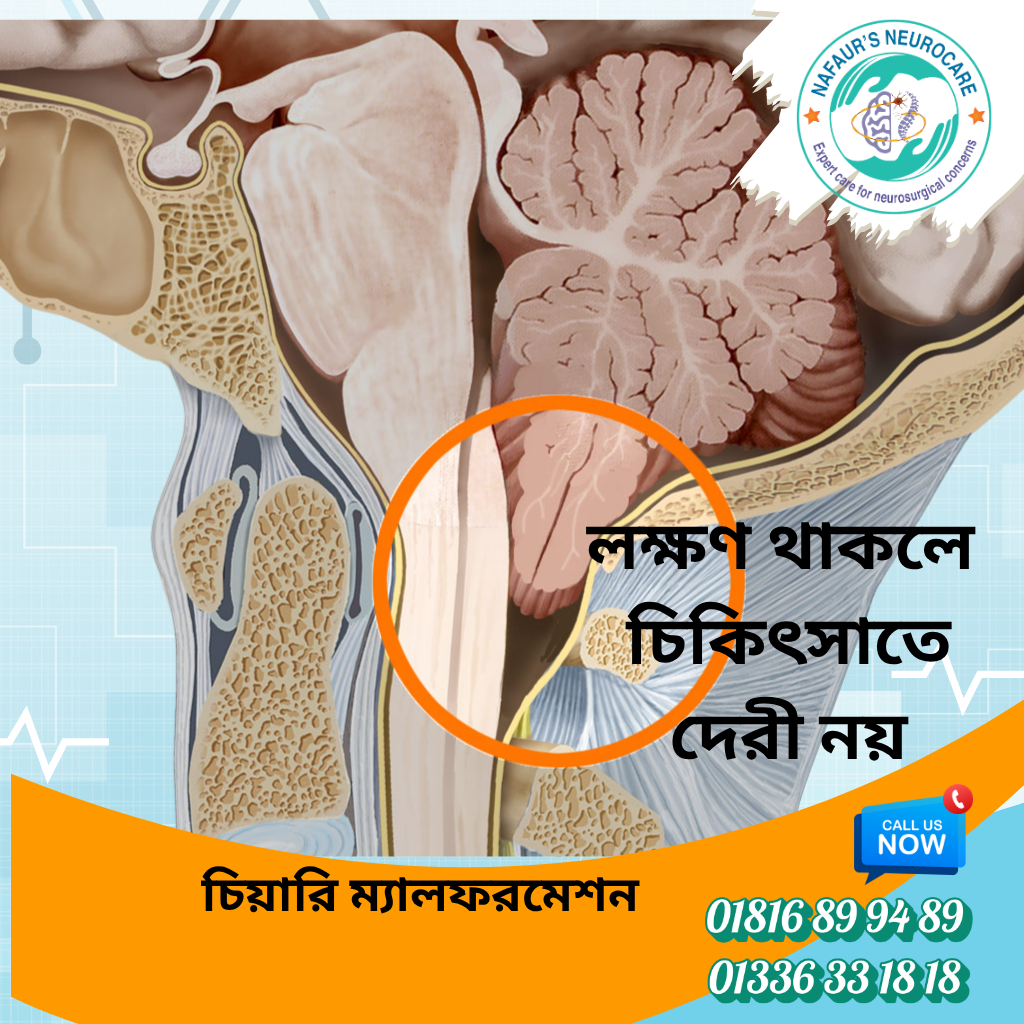
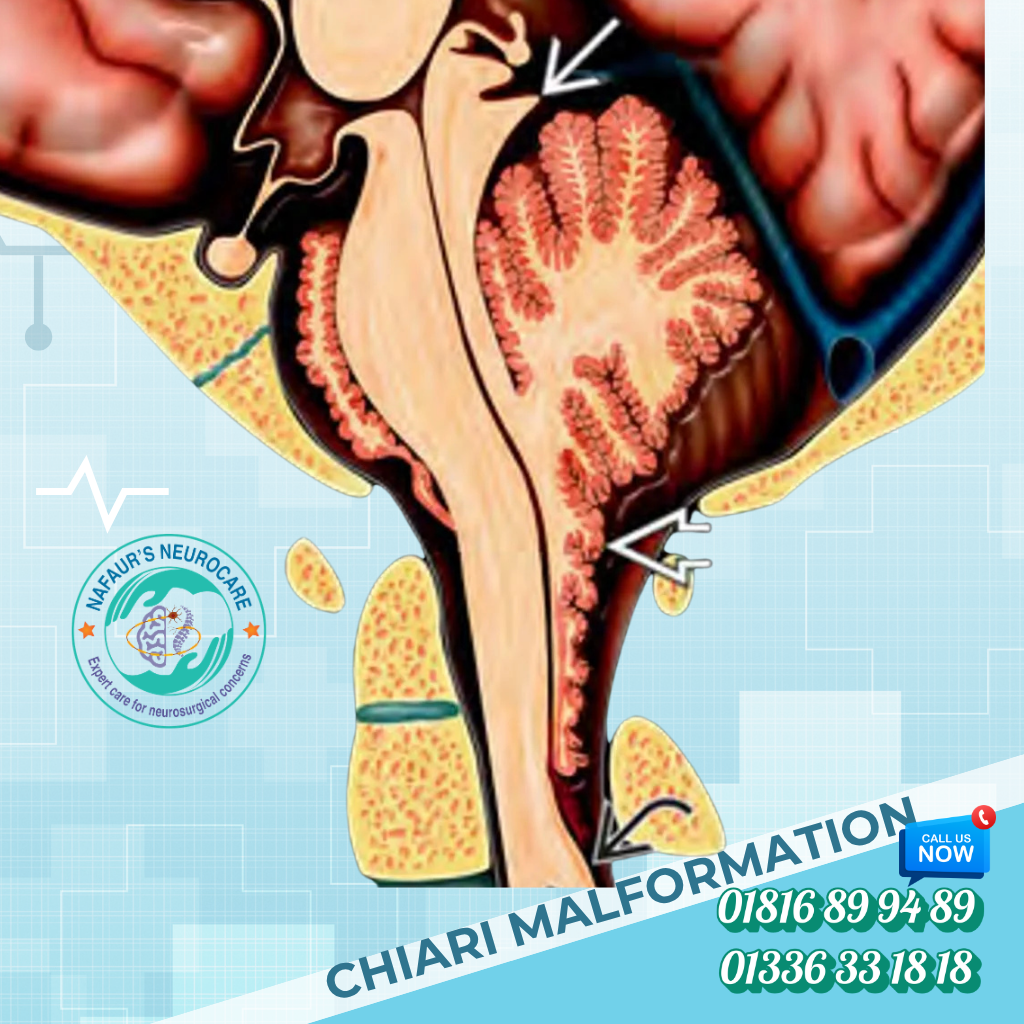
Chiari Malformation
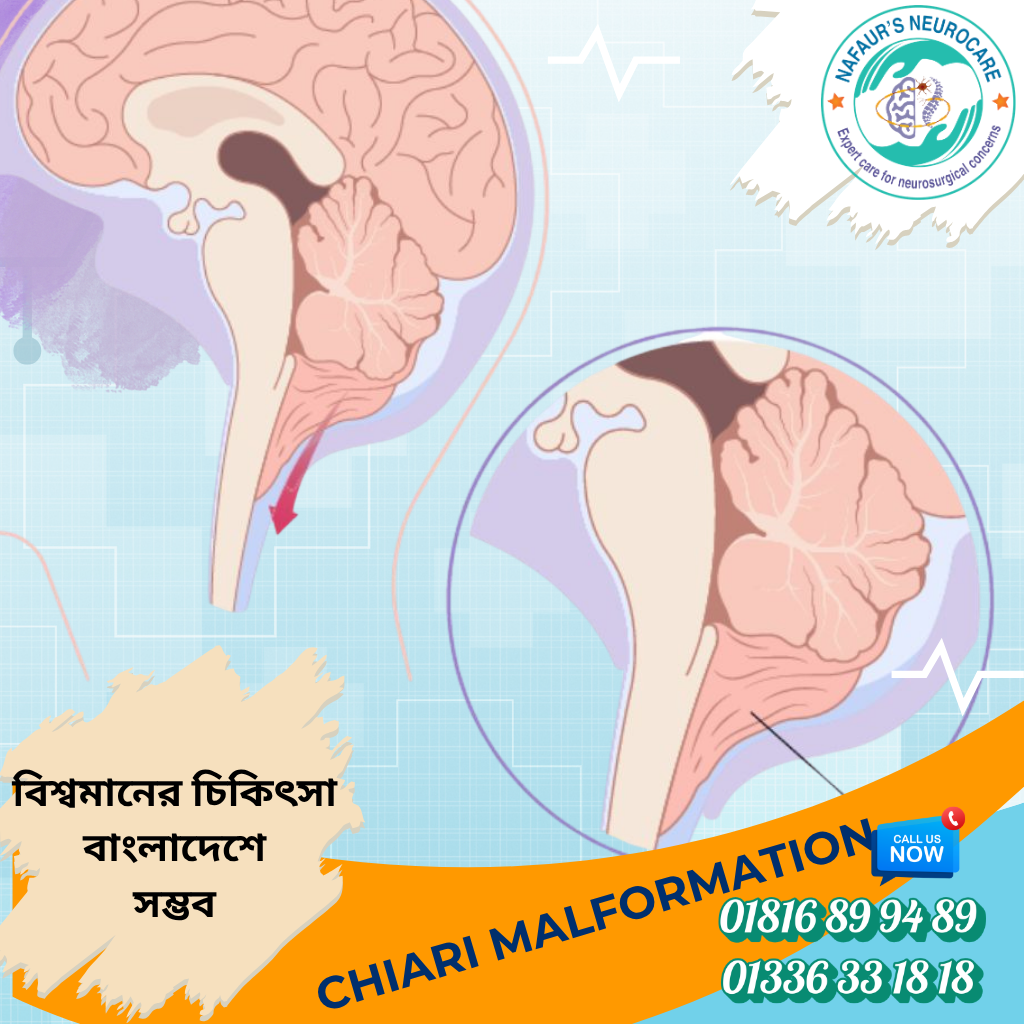
Chiari malformation is a condition where part of the brain tissue extends downward near the upper spinal canal. It may be associated with spina bifida, hydrocephalus, syringomyelia, neck pain, swallowing difficulty, breathing problems, weakness, abnormal eye movement, or developmental concerns depending on severity and type.
Tethered Cord Syndrome
Tethered cord syndrome occurs when the spinal cord is abnormally attached and stretched. It may be associated with spina bifida, lipomyelomeningocele, dermal sinus tract, thickened filum terminale, fatty filum, split cord malformation, or occult spinal dysraphism. Symptoms may include back pain, leg weakness, walking difficulty, foot deformity, scoliosis, urinary incontinence, recurrent urinary infection, constipation, or worsening neurological function.
Dermal Sinus Tract and Hidden Spinal Defects
A dermal sinus tract is a congenital tract from the skin that may extend toward deeper spinal structures. It may appear as a small opening, dimple, discharge, hair patch, or recurrent infection over the spine. It can lead to meningitis, spinal infection, dermoid cyst, epidermoid cyst, tethered cord, or neurological complications.
Hidden spinal defects may not be obvious at birth but may appear later through skin marks, weakness, urinary problems, foot deformity, or walking delay.
Craniovertebral Junction Disorders
Some children are born with abnormalities at the junction between the skull and upper cervical spine. Conditions may include atlantoaxial dislocation, basilar invagination, odontoid abnormality, assimilation of atlas, Chiari malformation, and other complex craniovertebral junction disorders. Symptoms may include neck pain, weakness, walking imbalance, swallowing problem, breathing difficulty, abnormal posture, or spinal cord compression.
Symptoms That Need Early Evaluation
Parents should consult a pediatric neurocare clinic if a newborn, infant, or child has:
Enlarged head size, rapidly increasing head circumference, bulging fontanelle, abnormal head shape, skull swelling, swelling on the back, open spinal wound, covered spinal sac, abnormal facial structure, seizure, poor feeding, excessive crying, vomiting, abnormal eye movement, sunset eye sign, weakness of limbs, reduced leg movement, abnormal hand movement, delayed head control, delayed sitting, delayed walking, foot deformity, bladder-bowel problem, repeated urinary infection, skin dimple over spine, hair patch over spine, developmental delay, speech delay, learning difficulty, balance problem, or abnormal MRI/CT/ultrasound finding.
Early evaluation is especially important if a baby has open spinal swelling, hydrocephalus symptoms, seizure, poor feeding, ruptured myelomeningocele, encephalocele, or rapidly worsening neurological symptoms.
Congenital Birth Defects Clinic Services at Nafaur’s Neurocare
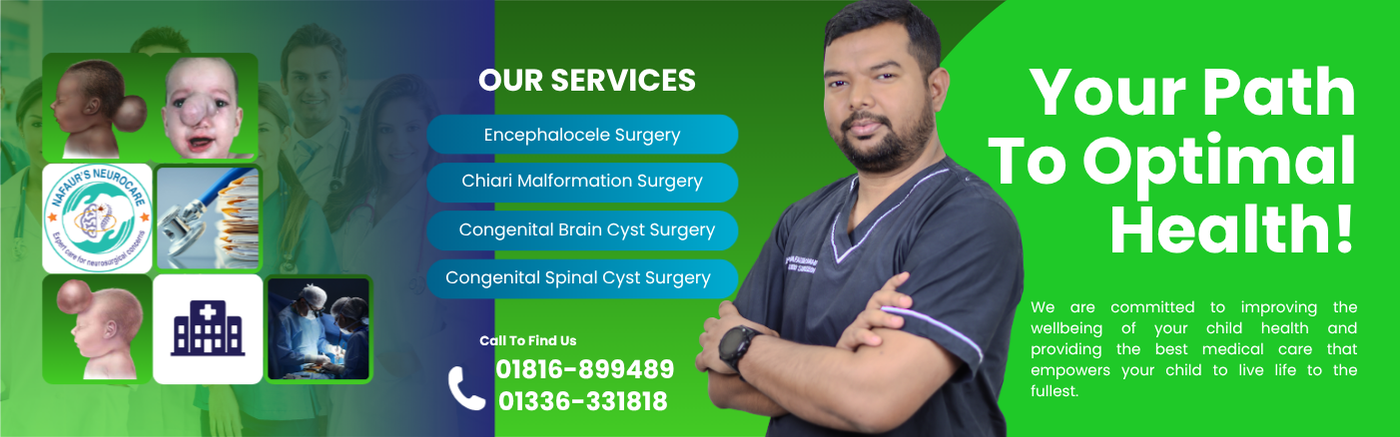
The Congenital Birth Defects Clinic in Nafaur’s Neurocare provides dedicated pediatric evaluation and follow-up services for children with congenital brain, skull, spine, spinal cord, nerve, and developmental disorders.
Services may include:
Pediatric neurosurgical consultation, pediatric neurological assessment, newborn birth defect evaluation, antenatal ultrasound report review, fetal MRI report review when available, MRI brain review, MRI spine review, CT scan review, hydrocephalus assessment, ventriculomegaly follow-up, VP shunt surgery counseling, ETV surgery guidance, spina bifida and myelomeningocele evaluation, encephalocele assessment, craniosynostosis evaluation, tethered cord assessment, dermal sinus tract evaluation, congenital brain malformation follow-up, seizure evaluation, developmental milestone assessment, feeding and tone assessment, physiotherapy planning, developmental therapy guidance, parent counseling, and long-term follow-up planning.
The clinic helps parents understand the child’s diagnosis, severity, treatment options, surgical timing, warning signs, therapy needs, developmental goals, and long-term care plan.
Pediatric Neurosurgery for Congenital Birth Defects in Bangladesh
Many congenital birth defects require early pediatric neurosurgical evaluation. Some conditions need urgent treatment after birth, while others require planned surgery or long-term observation. Pediatric neurosurgical care may be needed for hydrocephalus, myelomeningocele, meningocele, encephalocele, craniosynostosis, tethered cord syndrome, dermal sinus tract, selected brain cysts, Chiari malformation, and craniovertebral junction abnormalities.
Common pediatric neurosurgical procedures related to congenital birth defects may include:
VP shunt surgery, ETV surgery, ETV with CPC in selected cases, myelomeningocele repair, meningocele repair, encephalocele surgery, craniosynostosis surgery, tethered cord release, dermal sinus tract surgery, brain cyst surgery, and pediatric spine surgery.
Parents searching for pediatric neurosurgery in Bangladesh, newborn brain surgery in Dhaka, newborn spine surgery Bangladesh, best pediatric neurosurgeon for birth defects, and child brain and spine surgery clinic Dhaka can consult Nafaur’s Neurocare for dedicated evaluation and guidance.
Pediatric Neurology and Developmental Support
Children with congenital birth defects may also have neurological and developmental challenges. Some children need support for seizure, developmental delay, speech delay, motor delay, cerebral palsy-like symptoms, learning difficulty, behavior concern, feeding difficulty, sleep problem, abnormal movement, or school-readiness issues.
Pediatric neurology follow-up is important for children with brain malformations, hydrocephalus, seizure, developmental delay, abnormal MRI findings, or neurological weakness. Nafaur’s Neurocare provides child-focused pediatric neurological and developmental care support for children with congenital birth defects.
Developmental Follow-Up After Birth Defects
Congenital birth defect care does not end after surgery or diagnosis. Many children need long-term follow-up for head growth, brain development, movement, walking, speech, learning, vision, hearing, feeding, seizure, bladder-bowel function, and school performance.
Developmental follow-up may monitor:
Head control, sitting, crawling, standing, walking, speech, social communication, hand use, feeding, muscle tone, seizure, behavior, learning, vision, hearing, and school performance.
Nafaur’s Neurocare provides developmental assessment and allied clinic support to help families plan long-term child development care.
Rehabilitation and Allied Clinic Support
Nafaur’s Neurocare runs different allied clinics to support children with complex pediatric neurological, neurosurgical, developmental, and rehabilitation needs. Children with congenital birth defects may benefit from:
Physiotherapy, developmental therapy, fine motor therapy, speech therapy, feeding support guidance, nutrition support, seizure monitoring, psychological support for family, autism intervention when needed, behavior support, rehabilitation guidance, school-readiness assessment, parent counseling, and long-term developmental follow-up.
This integrated approach helps families receive pediatric neurosurgery, pediatric neurology, developmental care, rehabilitation guidance, and allied child neurocare from one dedicated pediatric neurocare platform in Bangladesh.
Parent Counseling and Family Guidance
Parents often feel anxious when a baby is diagnosed with a congenital brain or spine defect. Clear counseling is very important because every condition is different. Some babies need urgent surgery, some need planned treatment, and some need observation with developmental follow-up.
Parent guidance may include:
Understanding the diagnosis, recognizing warning signs, planning newborn evaluation, reviewing imaging reports, discussing possible surgery, preparing for long-term follow-up, monitoring feeding and development, tracking head growth, supporting therapy exercises, and knowing when urgent medical care is needed.
Nafaur’s Neurocare focuses on parent-friendly counseling so families can make informed decisions for their child.
Bangladesh Perspective: Early Diagnosis of Birth Defects is Very Important
In Bangladesh, many congenital birth defects are diagnosed late due to limited awareness, delayed referral, social hesitation, financial barriers, or distance from specialized pediatric neurocare services. Some birth defects are visible at birth but are not evaluated quickly. Some hidden spinal or brain defects may remain undiagnosed until the child develops neurological or developmental problems.
Early pediatric neurosurgical and neurological assessment is important when a baby is born with abnormal head shape, enlarged head, spinal swelling, skull swelling, facial abnormality, weak limbs, seizure, feeding difficulty, or delayed development.
The Congenital Birth Defects Clinic in Nafaur’s Neurocare focuses on early diagnosis, imaging review, newborn neurocare planning, pediatric neurosurgical counseling, pediatric neurological follow-up, rehabilitation planning, parent education, and long-term child development support in Bangladesh.
Why Choose Nafaur’s Neurocare for Congenital Birth Defects Clinic?
Parents choose Nafaur’s Neurocare because it provides a dedicated pediatric neurocare environment for babies and children with congenital birth defects, brain malformations, hydrocephalus, spina bifida, encephalocele, craniosynostosis, tethered cord, developmental delay, seizure, and complex neurological conditions.
Key reasons to choose Nafaur’s Neurocare include:
Dedicated pediatric neurology and pediatric neurosurgery services, newborn-focused birth defect evaluation, congenital brain and spine disorder assessment, hydrocephalus and ventriculomegaly follow-up, neural tube defect evaluation, myelomeningocele and spina bifida counseling, encephalocele evaluation, craniosynostosis assessment, imaging report review support, developmental monitoring, parent-friendly counseling, physiotherapy and rehabilitation planning, allied clinic support, Bangladesh-focused pediatric neurocare, accessible location in Shyamoli, Dhaka, and easy contact through phone, social media, and Google Map.
Chamber Address
Nafaur’s Neurocare
H # 24/1, Level # 7, Shyamoli Square
Shyamoli Cinema Hall Building, Mirpur Road, Shyamoli
Dhaka – 1207, Bangladesh
Google Map Location
For easy direction and exact location, visit Nafaur’s Neurocare through Google Map:
Google Map:
https://maps.app.goo.gl/zU4EcLt9CS7k2WVL8
Appointment Numbers
For appointment and consultation:
01816899489
01336331818
Social Media Links for Easy Contact
Facebook:
https://www.facebook.com/NafaursNeurocare
Instagram:
https://www.instagram.com/neurocarebd