CNS Infection Clinic in Nafaur’s Neurocare
Dedicated Pediatric Brain Infection, Meningitis, Brain Abscess, Spinal Infection, Pediatric Neurosurgery & Pediatric Neurology Services in Bangladesh
Nafaur’s Neurocare is one of the dedicated pediatric neurocare centres in Bangladesh, providing specialized pediatric neurosurgical, pediatric neurological, developmental, rehabilitation, and allied child neurocare services for newborns, infants, children, and adolescents. Through its Pediatric Neurosurgical and Neurological Clinic, CNS Infection Clinic, Hydrocephalus Clinic, Epilepsy Clinic, Neuro Development Clinic, Cerebral Palsy Clinic, and allied child neurocare services, Nafaur’s Neurocare provides focused evaluation and care for children with brain infection, meningitis complications, brain abscess, subdural empyema, epidural abscess, cerebral tuberculosis, TB meningitis, ventriculitis, spinal infection, shunt infection, seizure after CNS infection, post-infective hydrocephalus, weakness after infection, developmental delay after meningitis, and other complex pediatric neurological conditions.
The CNS Infection Clinic in Nafaur’s Neurocare is specially designed for babies and children who have suspected or diagnosed infection of the brain, spinal cord, meninges, ventricles, skull, spine, or nervous system. Many parents in Bangladesh search for pediatric CNS infection treatment in Bangladesh, brain infection treatment in children, meningitis complication treatment in Dhaka, brain abscess surgery in Bangladesh, subdural empyema treatment in children, TB meningitis hydrocephalus treatment Bangladesh, pediatric neurosurgeon for brain infection, pediatric neurologist for CNS infection, and best pediatric neurocare centre in Bangladesh. Nafaur’s Neurocare aims to provide dedicated evaluation, imaging review, pediatric neurosurgical counseling, pediatric neurology support, seizure care guidance, hydrocephalus follow-up, rehabilitation planning, developmental monitoring, parent education, and long-term child neurocare support.
What is CNS Infection?
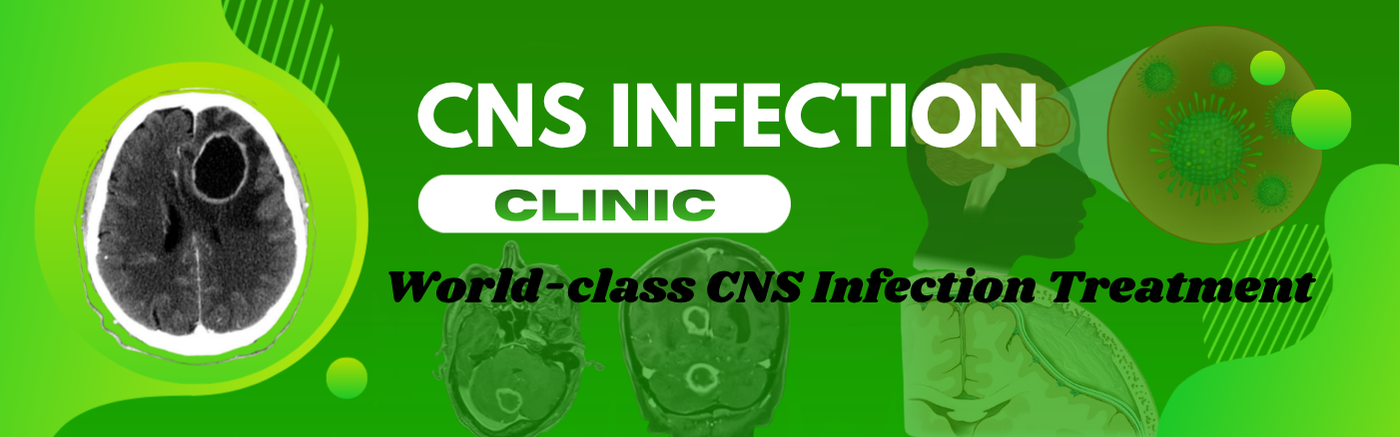
CNS infection means infection involving the central nervous system, which includes the brain and spinal cord. In children, CNS infection may be caused by bacteria, viruses, tuberculosis, fungi, parasites, infected shunts, sinus infection, ear infection, skull infection, spinal infection, blood infection, trauma, or infection spreading from another part of the body.
Some CNS infections are medical emergencies and require urgent hospital-based treatment. Others need long-term pediatric neurosurgical and neurological follow-up after the acute infection is controlled. CNS infection may cause brain swelling, pus collection, brain abscess, hydrocephalus, seizure, weakness, developmental delay, hearing or vision problems, learning difficulty, behavioral changes, and long-term neurological disability.
Early diagnosis, proper treatment, imaging review, pediatric neurology follow-up, and pediatric neurosurgical evaluation when needed are very important to reduce complications.
Common Symptoms of CNS Infection in Children
Parents should seek urgent medical care if a child has:
Fever with seizure, severe headache, repeated vomiting, neck stiffness, drowsiness, confusion, irritability, excessive crying, poor feeding in babies, bulging fontanelle, weakness of hand or leg, difficulty walking, altered consciousness, abnormal eye movement, persistent fever after infection, new seizure, back pain with fever, bladder-bowel problem, or sudden neurological deterioration.
In newborns and infants, CNS infection may be difficult to recognize. Warning signs may include fever, low temperature, poor feeding, abnormal crying, lethargy, seizure, bulging soft spot, vomiting, body stiffness, reduced activity, or unusual sleepiness.
Common CNS Infections Evaluated at Nafaur’s Neurocare
Meningitis and Meningitis Complications
Meningitis is an infection of the coverings of the brain and spinal cord. It may cause fever, vomiting, headache, irritability, neck stiffness, seizure, drowsiness, poor feeding, and altered consciousness. In babies, symptoms may be subtle and may include excessive crying, poor feeding, bulging fontanelle, fever, lethargy, vomiting, or seizure.
Complications of meningitis may include hydrocephalus, subdural collection, seizure disorder, hearing problem, developmental delay, weakness, learning difficulty, and long-term neurological disability.
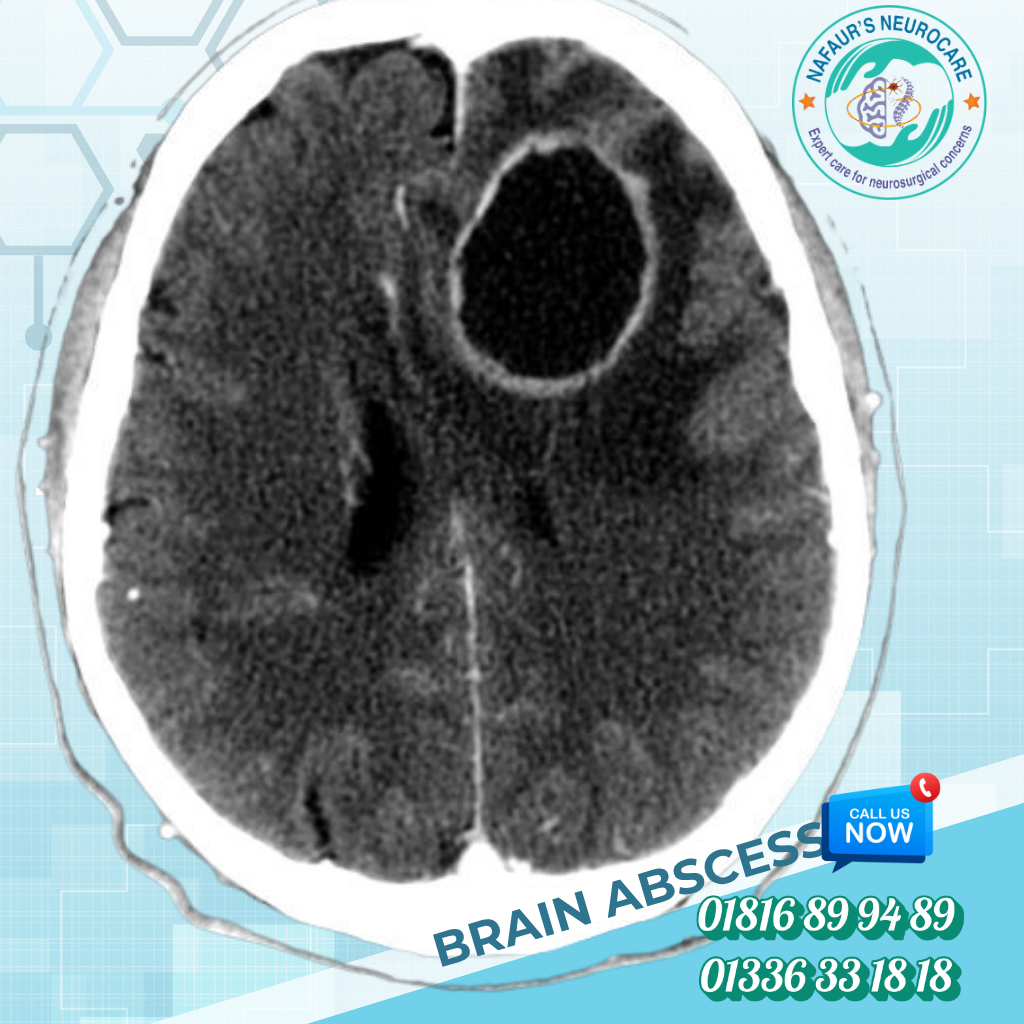
Brain Abscess
A brain abscess is a collection of pus inside the brain caused by infection. It may occur after ear infection, sinus infection, congenital heart disease, skull infection, trauma, blood infection, dental infection, immune-related conditions, or spread from another infection. Brain abscess can be serious and may require urgent medical and neurosurgical care.
Symptoms may include fever, headache, vomiting, seizure, weakness, drowsiness, irritability, altered consciousness, or neurological deficit.
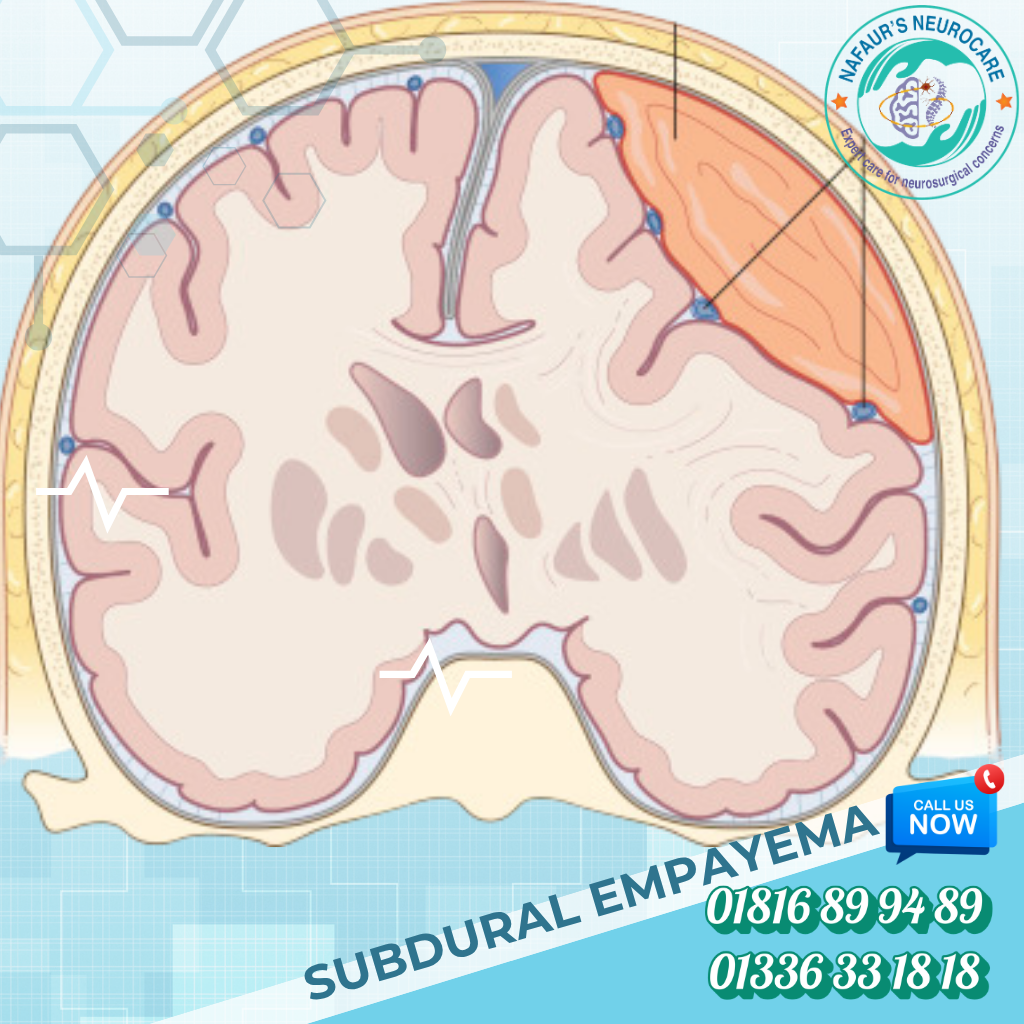
Subdural Empyema
Subdural empyema is a serious infection where pus collects between the brain surface and its covering. It may progress quickly and can cause fever, headache, vomiting, seizure, weakness, drowsiness, reduced consciousness, or neurological deterioration. It may occur after meningitis, sinus infection, ear infection, skull infection, or head trauma.
Children with suspected subdural empyema need urgent expert evaluation because delayed treatment can increase the risk of neurological damage.
Epidural Abscess
Epidural abscess is an infection where pus collects outside the brain covering or around the spinal canal. Cranial epidural abscess may occur after skull infection, sinus infection, trauma, or surgery. Spinal epidural abscess may cause back pain, fever, weakness, walking difficulty, sensory changes, or bladder-bowel problems.
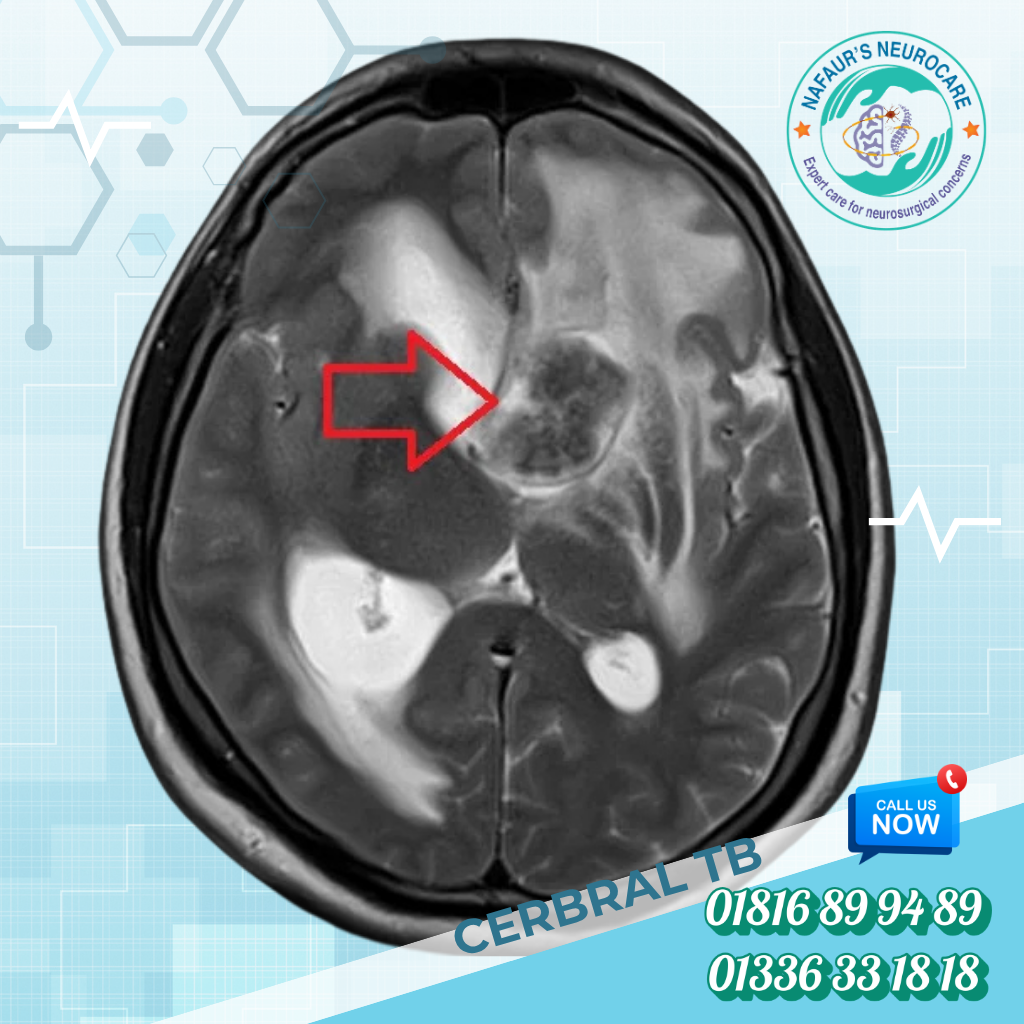
TB Meningitis and Cerebral Tuberculosis
Tuberculosis can affect the brain and meninges, causing TB meningitis, cerebral tuberculosis, tuberculoma, hydrocephalus, stroke-like weakness, seizure, altered consciousness, developmental delay, and neurological disability. TB-related CNS infection is especially important in Bangladesh because tuberculosis remains a significant public health concern.
Children with TB meningitis or cerebral TB may need long-term pediatric neurological and neurosurgical follow-up, especially if hydrocephalus, seizure, weakness, or developmental delay develops.
Post-Infective Hydrocephalus
CNS infection can block normal cerebrospinal fluid circulation and cause hydrocephalus. Post-infective hydrocephalus may occur after bacterial meningitis, TB meningitis, ventriculitis, brain abscess, subdural empyema, or other infections. Symptoms may include enlarged head in babies, bulging fontanelle, vomiting, irritability, sunset eye sign, headache, drowsiness, developmental delay, seizure, or neurological deterioration.
Treatment may require pediatric neurosurgical evaluation and may involve VP shunt surgery, ETV surgery, external drainage, or careful monitoring depending on the child’s condition.
Ventriculitis
Ventriculitis is infection inside the brain’s ventricular system where cerebrospinal fluid circulates. It may occur after meningitis, brain infection, neurosurgery, shunt infection, or severe systemic infection. Children may become very sick and require urgent hospital-based treatment and specialist follow-up.
VP Shunt Infection
Children with VP shunts for hydrocephalus may sometimes develop shunt infection. Symptoms may include fever, vomiting, irritability, drowsiness, redness along shunt tract, abdominal symptoms, seizure, headache, poor feeding, or worsening hydrocephalus symptoms. Shunt infection requires urgent medical and pediatric neurosurgical attention.
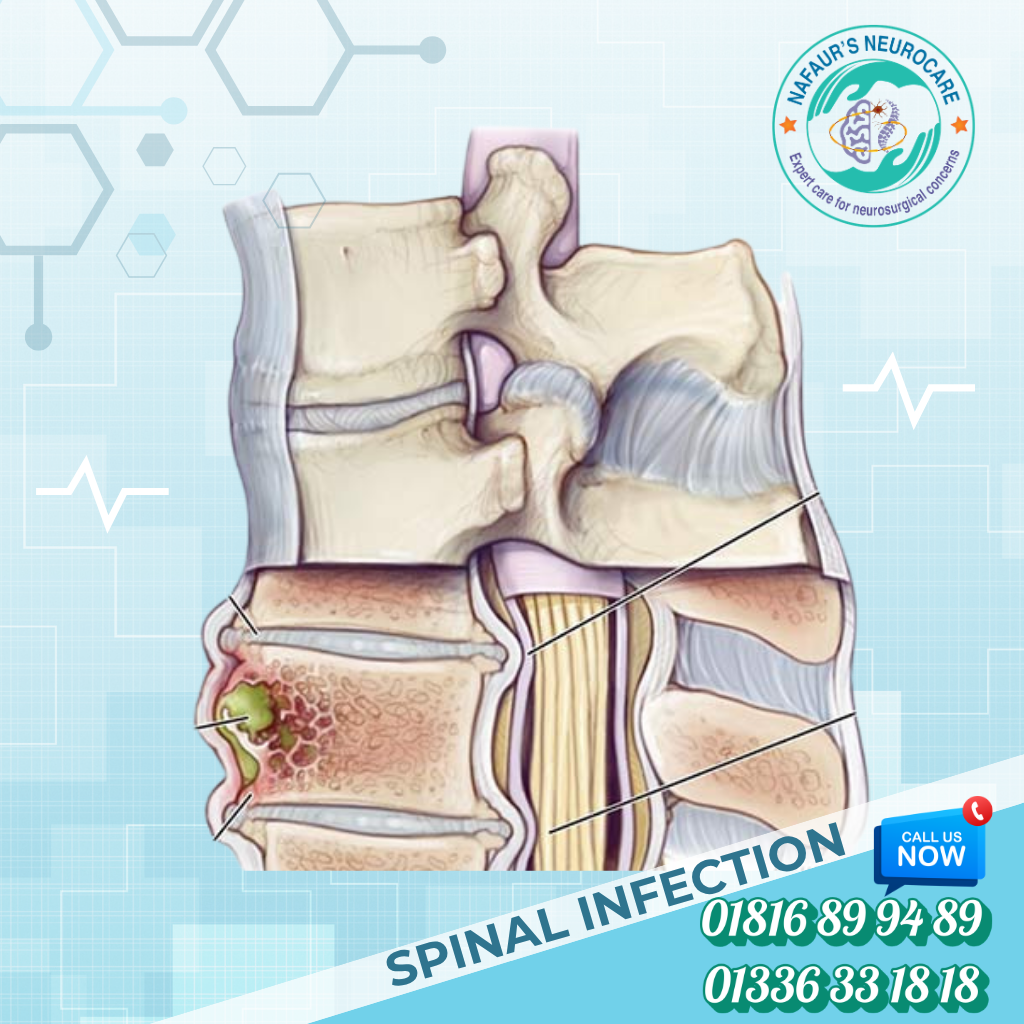
Spinal Infection
Spinal infections in children may involve the spine bone, disc, spinal canal, meninges, spinal cord, or soft tissue. Conditions may include spinal epidural abscess, spinal tuberculosis, vertebral osteomyelitis, discitis, infection following spinal surgery, and infection related to dermal sinus tract.
Symptoms may include back pain, fever, weakness, walking difficulty, spinal tenderness, scoliosis, bladder-bowel problems, or neurological deterioration.
Dermal Sinus Tract Infection
A dermal sinus tract is a congenital tract that may connect from the skin toward deeper spinal structures. It can become infected and lead to meningitis, spinal abscess, dermoid or epidermoid cyst infection, neurological weakness, or tethered cord problems. Children with a small opening, discharge, dimple, hair patch, or recurrent infection near the spine should be evaluated carefully.
Parasitic and Fungal CNS Infections
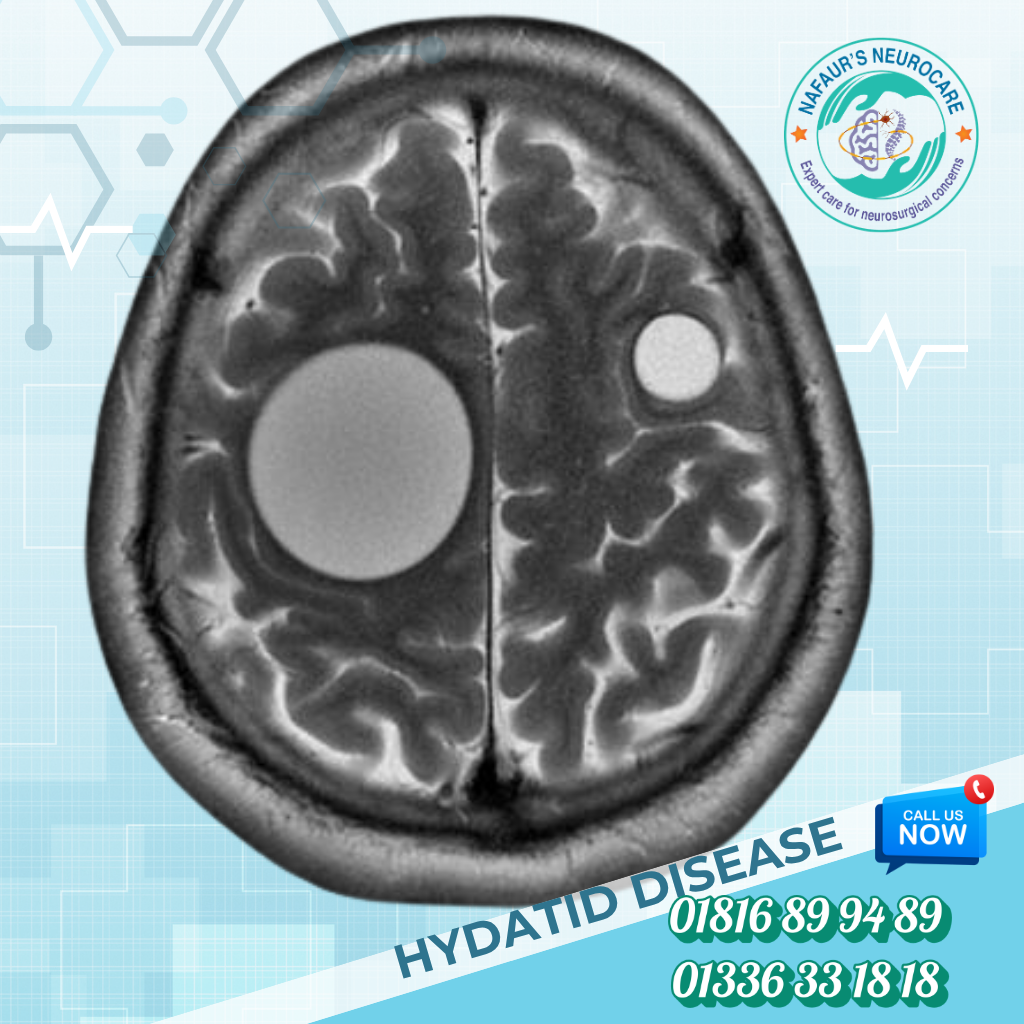
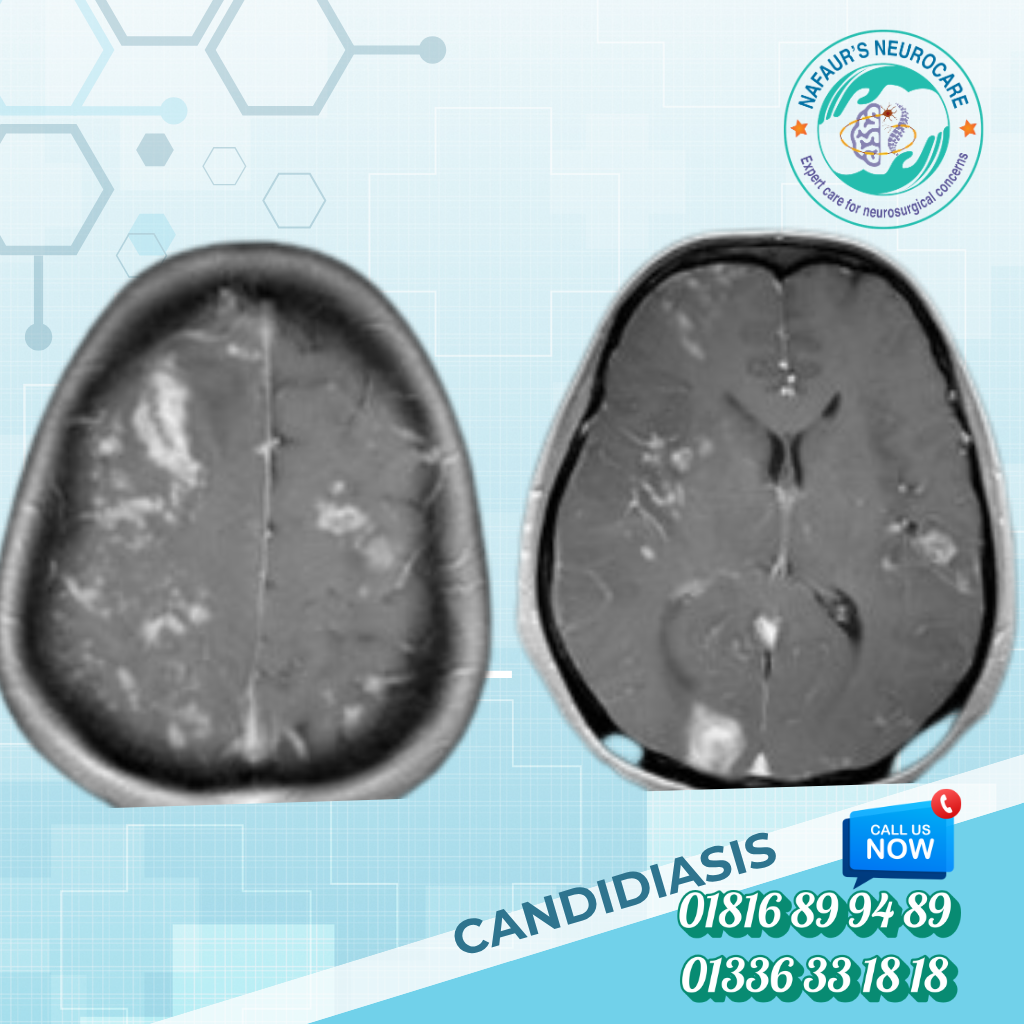
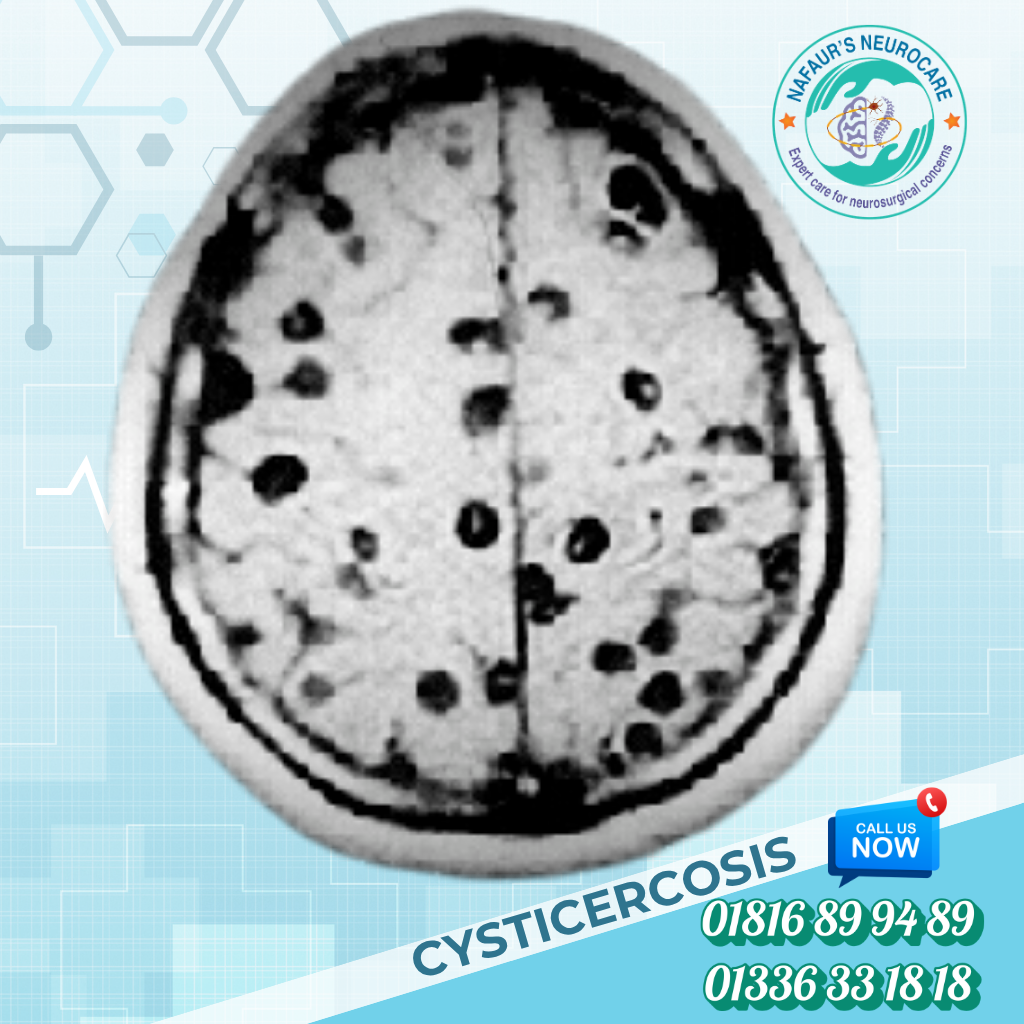
Some children may develop rare parasitic or fungal infections affecting the brain or spine. These may include neurocysticercosis, hydatid disease, toxoplasmosis, fungal abscess, aspergillus infection, candidiasis, histoplasmosis, or other uncommon infections. These conditions require careful diagnosis, imaging review, pediatric neurological care, and sometimes neurosurgical guidance.
CNS Infection and Seizure in Children
Seizure is a common complication of CNS infection. A child may develop seizure during meningitis, encephalitis, brain abscess, TB meningitis, subdural empyema, ventriculitis, or after recovery from infection. Some children may later develop epilepsy or recurrent seizure.
At Nafaur’s Neurocare, pediatric neurology support may help with seizure history evaluation, EEG report review when needed, medicine follow-up guidance, and long-term seizure monitoring.
CNS Infection and Developmental Delay
CNS infection can affect brain development, especially in newborns, infants, and young children. Some children may develop delayed milestone, speech delay, motor delay, learning difficulty, behavioral concerns, hearing problems, vision problems, cerebral palsy-like features, or school performance problems after severe infection.
Nafaur’s Neurocare provides developmental follow-up and allied clinic support for children recovering from CNS infection.
CNS Infection Clinic Services at Nafaur’s Neurocare
The CNS Infection Clinic in Nafaur’s Neurocare provides dedicated evaluation and follow-up services for children with brain infection, spinal infection, meningitis complications, brain abscess, subdural empyema, hydrocephalus, seizure, weakness, and neurodevelopmental problems after infection.
Services may include:
Pediatric neurosurgical consultation, pediatric neurological assessment, CNS infection follow-up, meningitis complication evaluation, MRI brain review, CT scan review, MRI spine review, brain abscess evaluation, subdural empyema evaluation, epidural abscess assessment, TB meningitis follow-up, post-infective hydrocephalus assessment, VP shunt follow-up, shunt infection warning sign assessment, seizure evaluation, weakness and walking assessment, developmental milestone assessment, post-operative follow-up, rehabilitation planning, parent counseling, and allied clinic coordination.
The clinic helps parents understand the diagnosis, severity, imaging findings, treatment options, surgical need, possible complications, warning signs, recovery process, and long-term follow-up plan.
Pediatric Neurosurgery for CNS Infection in Bangladesh
Some CNS infections may require pediatric neurosurgical care. Surgery or neurosurgical procedures may be needed for brain abscess, subdural empyema, epidural abscess, hydrocephalus, infected shunt, ventriculitis, spinal abscess, dermal sinus tract infection, or infection-related compression of the brain or spinal cord.
Common neurosurgical concerns related to CNS infection include:
Brain abscess drainage, subdural empyema surgery, epidural abscess surgery, VP shunt surgery for post-infective hydrocephalus, ETV for selected hydrocephalus cases, shunt infection management, spinal abscess decompression, dermal sinus tract surgery, and post-operative infection follow-up.
Parents searching for pediatric neurosurgery for brain infection in Bangladesh, brain abscess surgery Dhaka, subdural empyema surgery Bangladesh, VP shunt surgery after meningitis, and spinal abscess surgery in children can consult Nafaur’s Neurocare for proper evaluation and guidance.
Pediatric Neurology Support for CNS Infection Patients
Children recovering from CNS infection may develop seizure, weakness, developmental delay, speech delay, learning difficulty, behavior change, movement problems, headache, visual problems, hearing problems, or school performance decline. Pediatric neurology follow-up is important for monitoring neurological recovery and long-term development.
At Nafaur’s Neurocare, pediatric neurological support may help with seizure assessment, developmental monitoring, weakness evaluation, headache follow-up, post-meningitis complications, and long-term child neurocare planning.
Rehabilitation and Long-Term Follow-Up After CNS Infection
CNS infection can affect a child’s movement, speech, hearing, vision, learning, behavior, memory, and school performance. Some children recover fully, while others may need long-term therapy and rehabilitation.
Follow-up may be needed for:
Seizure disorder, hydrocephalus, shunt function, weakness, cerebral palsy-like features, speech delay, developmental delay, learning difficulty, behavior concern, motor delay, balance problem, hearing or vision concerns, and post-surgical recovery.
Rehabilitation support may include physiotherapy, developmental therapy, fine motor therapy, speech therapy, nutrition support, psychological support, school-readiness support, seizure monitoring, and parent counseling.
Parent Guidance for CNS Infection Warning Signs
Parents should seek urgent medical care if a child has fever with seizure, severe headache, repeated vomiting, neck stiffness, drowsiness, confusion, weakness, poor feeding, bulging fontanelle, altered consciousness, or back pain with fever. After the acute illness, parents should continue follow-up if the child has seizure, delayed milestone, hearing difficulty, speech delay, weakness, headache, vomiting, or poor school performance.
Early recognition and follow-up can reduce the risk of long-term complications.
Allied Clinic Support at Nafaur’s Neurocare
Nafaur’s Neurocare runs different allied clinics to support children with complex pediatric neurological, neurosurgical, developmental, and rehabilitation needs. Children attending the CNS Infection Clinic may benefit from:
Physiotherapy, developmental therapy, fine motor therapy, speech therapy, feeding support guidance, nutrition support, seizure monitoring, psychological support for family, rehabilitation guidance, school-readiness assessment, parent counseling, and long-term developmental follow-up.
This integrated approach helps families receive pediatric neurosurgery, pediatric neurology, developmental care, rehabilitation guidance, and allied child neurocare from one dedicated pediatric neurocare platform in Bangladesh.
Why Choose Nafaur’s Neurocare for CNS Infection Clinic?
Parents choose Nafaur’s Neurocare because it provides a dedicated pediatric neurocare environment for children with brain infection, meningitis complications, brain abscess, TB meningitis, subdural empyema, post-infective hydrocephalus, seizure, weakness, developmental delay, spinal infection, and complex neurological conditions.
Key reasons to choose Nafaur’s Neurocare include:
Dedicated pediatric neurology and pediatric neurosurgery services, child-focused CNS infection evaluation, meningitis complication follow-up, brain abscess and subdural empyema assessment, CT scan and MRI report review support, post-infective hydrocephalus evaluation, VP shunt and ETV counseling when needed, seizure after infection assessment, developmental monitoring, parent-friendly counseling, physiotherapy and rehabilitation planning, allied clinic support, Bangladesh-focused pediatric neurocare, accessible location in Shyamoli, Dhaka, and easy contact through phone, social media, and Google Map.
Bangladesh Perspective: Early CNS Infection Treatment and Follow-Up Matter
In Bangladesh, many children suffer from meningitis, TB meningitis, brain abscess, ear or sinus infection-related complications, post-infective hydrocephalus, and seizure after infection. Delayed diagnosis or incomplete follow-up can increase the risk of neurological problems, developmental delay, hearing loss, weakness, hydrocephalus, seizure disorder, and learning difficulty.
Parents should seek urgent medical care if a child has fever with seizure, severe headache, vomiting, neck stiffness, drowsiness, weakness, poor feeding, bulging fontanelle, or altered consciousness. After the acute infection, children should also receive pediatric neurology and pediatric neurosurgery follow-up if neurological symptoms continue.
The CNS Infection Clinic in Nafaur’s Neurocare focuses on early detection, imaging review, pediatric neurosurgical assessment, pediatric neurological follow-up, surgery counseling when required, seizure care guidance, parent education, rehabilitation planning, and long-term child neurocare support in Bangladesh.
Chamber Address
Nafaur’s Neurocare
H # 24/1, Level # 7, Shyamoli Square
Shyamoli Cinema Hall Building, Mirpur Road, Shyamoli
Dhaka – 1207, Bangladesh
Google Map Location
For easy direction and exact location, visit Nafaur’s Neurocare through Google Map:
Google Map:
https://maps.app.goo.gl/zU4EcLt9CS7k2WVL8
Appointment Numbers
For appointment and consultation:
01816899489
01336331818
Social Media Links for Easy Contact
Facebook:
https://www.facebook.com/NafaursNeurocare
Instagram:
https://www.instagram.com/neurocarebd