Birth Trauma Clinic in Nafaur’s Neurocare
Dedicated Newborn Birth Injury, Birth Trauma, Neonatal Brain Injury, Pediatric Neurology & Pediatric Neurosurgery Services in Bangladesh
Nafaur’s Neurocare is one of the dedicated pediatric neurocare centres in Bangladesh, providing specialized pediatric neurological, pediatric neurosurgical, developmental, rehabilitation, and allied child neurocare services for newborns, infants, children, and adolescents. Through its Pediatric Neurosurgical and Neurological Clinic, Birth Trauma Clinic, Neuro Development Clinic, Epilepsy Clinic, Cerebral Palsy Clinic, Peripheral Nerves Clinic, Physiotherapy Support, Developmental Therapy, Fine Motor Therapy, Speech Therapy Support, and allied child neurocare services, Nafaur’s Neurocare provides focused evaluation and care for babies and children affected by birth trauma, birth injury, neonatal brain injury, newborn head injury, birth-related nerve injury, neonatal seizure, birth asphyxia-related neurological problems, cephalohematoma, subgaleal hematoma, skull fracture, intracranial bleeding, brachial plexus birth injury, developmental delay after birth injury, and complex pediatric neurocare conditions.
The Birth Trauma Clinic in Nafaur’s Neurocare is specially designed for newborns and children who need evaluation after difficult delivery, prolonged labor, birth asphyxia, assisted delivery, birth-related head swelling, reduced limb movement after birth, seizure after birth, poor feeding, abnormal crying, abnormal muscle tone, delayed milestone, weakness, or suspected neurological injury related to birth.
Many parents in Bangladesh search for birth trauma treatment in Bangladesh, newborn birth injury clinic in Dhaka, birth injury treatment for baby Bangladesh, neonatal brain injury treatment Dhaka, pediatric neurologist for birth trauma, pediatric neurosurgeon for newborn head injury, brachial plexus birth injury treatment Bangladesh, birth asphyxia brain injury treatment Bangladesh, neonatal seizure treatment Dhaka, and best pediatric neurocare centre in Bangladesh. Nafaur’s Neurocare aims to provide dedicated newborn neurocare evaluation, pediatric neurological assessment, pediatric neurosurgical consultation when required, imaging review, therapy planning, rehabilitation guidance, parent counseling, and long-term developmental follow-up.
What is Birth Trauma?
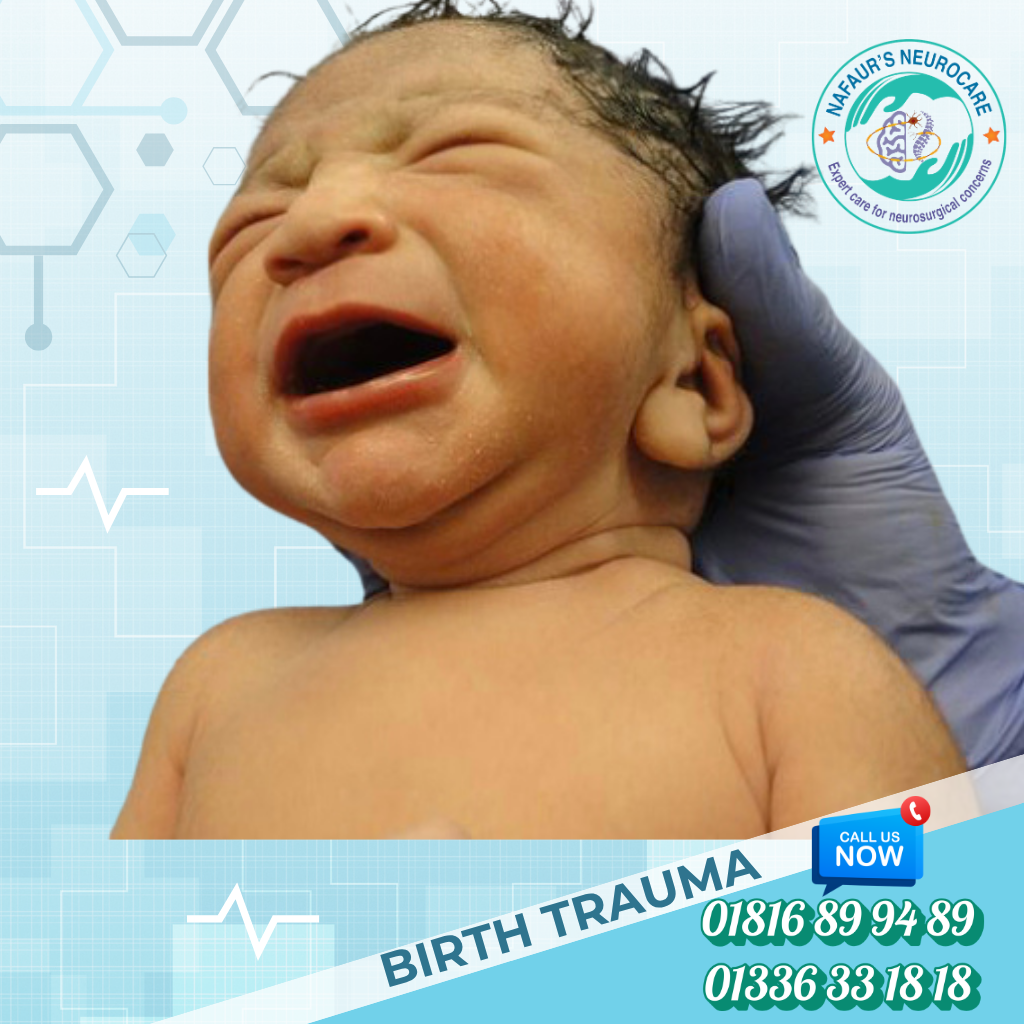
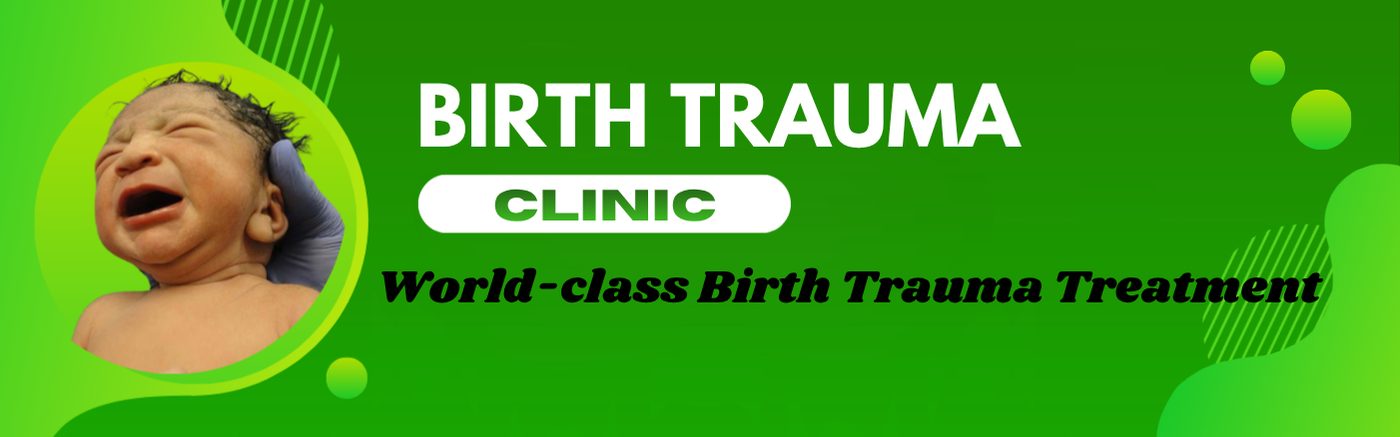
Birth trauma means physical or neurological injury that occurs around the time of delivery. It may happen during difficult labor, prolonged delivery, obstructed labor, instrumental delivery, breech delivery, shoulder dystocia, premature birth, low birth weight, emergency delivery, or complicated newborn resuscitation. Birth trauma may affect the scalp, skull, brain, nerves, spine, muscles, limbs, and overall neurological development.
Some birth injuries are mild and improve with observation. Others may need urgent evaluation, imaging, pediatric neurosurgical care, pediatric neurology follow-up, physiotherapy, developmental therapy, and long-term monitoring. In newborn babies, even subtle symptoms should be taken seriously because early diagnosis can help protect brain development and reduce future complications.
Birth trauma may present immediately after birth or become noticeable later when parents observe delayed milestone, weakness, abnormal movement, seizure, poor head control, delayed sitting, delayed walking, speech delay, or cerebral palsy-like features.
Common Causes and Risk Factors of Birth Trauma
Birth trauma may be associated with several delivery-related and newborn-related risk factors, including:
Prolonged labor, obstructed labor, difficult normal delivery, assisted delivery, forceps delivery, vacuum delivery, breech delivery, shoulder dystocia, large baby, premature baby, low birth weight baby, emergency delivery, birth asphyxia, poor oxygen supply at birth, neonatal resuscitation, neonatal seizure, birth-related bleeding, and difficult extraction during delivery.
In Bangladesh, many babies with birth injury or birth asphyxia-related neurological concerns are brought late because families may initially wait for spontaneous recovery. Early pediatric neurocare evaluation is important if a baby has seizure, poor feeding, abnormal crying, weak limb movement, head swelling, or delayed development after birth.
Common Birth Trauma Conditions Evaluated at Nafaur’s Neurocare
Newborn Head Injury
Newborn head injury may occur during difficult delivery, prolonged labor, assisted delivery, or birth-related pressure on the baby’s head. Parents may notice swelling, bruising, abnormal crying, poor feeding, seizure, drowsiness, or abnormal head shape.
Some newborn head injuries are superficial, while others may involve skull fracture, intracranial bleeding, subgaleal hematoma, or brain injury. Proper pediatric neurological and neurosurgical evaluation is important when warning signs are present.
Cephalohematoma
Cephalohematoma is a blood collection under the scalp covering of the skull bone. It may appear as a swelling on the baby’s head after birth. Many cephalohematomas improve gradually, but evaluation is important when swelling is large, increasing, associated with jaundice, infection concern, skull fracture, or neurological symptoms.
Parents should not puncture, press, massage, or attempt home drainage of a newborn head swelling. Proper evaluation helps determine whether observation, imaging, or specialist follow-up is needed.
Subgaleal Hematoma
Subgaleal hematoma is a more serious type of scalp bleeding in newborns. It can occur after assisted delivery and may cause large scalp swelling, pallor, weakness, poor feeding, shock, or neurological deterioration. It needs urgent medical attention and follow-up.
Parents should seek urgent care if a newborn has rapidly increasing scalp swelling, poor feeding, unusual sleepiness, pale appearance, breathing difficulty, seizure, or reduced activity after birth.
Skull Fracture in Newborn
A newborn skull fracture may occur during difficult delivery, trauma, or pressure-related injury. Some skull fractures may be simple, while others may be depressed or associated with brain bleeding. A depressed skull fracture in a newborn requires careful pediatric neurosurgical evaluation.
Parents may notice a depression in the skull, scalp swelling, abnormal crying, seizure, vomiting, poor feeding, or unusual sleepiness. Imaging review and specialist guidance may be required.
Intracranial Bleeding After Birth
Intracranial bleeding means bleeding inside the skull or brain. It may occur due to birth trauma, prematurity, low birth weight, oxygen deprivation, clotting problems, difficult delivery, or assisted delivery. Babies may present with seizure, poor feeding, abnormal crying, drowsiness, vomiting, bulging fontanelle, breathing difficulty, or reduced activity.
Intracranial bleeding can affect brain development and may require pediatric neurology and pediatric neurosurgery follow-up.
Birth Asphyxia and Neonatal Brain Injury
Birth asphyxia occurs when a baby does not receive enough oxygen around the time of birth. It can lead to neonatal brain injury, seizure, poor feeding, abnormal tone, developmental delay, cerebral palsy, learning difficulty, and long-term neurological problems. Babies with birth asphyxia need careful pediatric neurology and developmental follow-up.
Some babies appear stable after discharge but later show delayed milestone, poor head control, stiffness, abnormal movement, feeding difficulty, or seizure. Early follow-up can help start intervention at the right time.
Neonatal Seizure After Birth Injury
Newborn seizures can be subtle and may appear as jerking, eye deviation, lip smacking, cycling movement of legs, stiffening, abnormal breathing, repeated twitching, or unusual episodes. Neonatal seizure may occur due to birth asphyxia, brain bleeding, infection, metabolic problems, stroke, congenital brain malformation, or birth trauma.
Neonatal seizure is an important warning sign and needs urgent evaluation. Long-term follow-up may be needed for seizure control, brain development, and milestone monitoring.
Brachial Plexus Birth Injury / Birth Palsy
Brachial plexus injury is a birth-related nerve injury that affects the shoulder, arm, and hand. It may occur during difficult delivery, shoulder dystocia, or traction injury. Parents may notice that the baby is not moving one arm normally, has weak shoulder movement, weak elbow bending, poor hand grip, or abnormal arm posture.
Early evaluation and therapy are important. Some babies recover gradually, while others may require long-term follow-up or surgical consideration depending on severity.
Facial Nerve Injury After Birth
Facial nerve injury may occur during delivery and can cause weakness of one side of the face, poor eye closure, asymmetric crying face, drooling, or feeding difficulty. Babies with facial weakness need careful assessment to identify the cause and monitor recovery.
Spinal Cord or Spine Injury During Birth
Rarely, birth trauma may affect the spine or spinal cord, especially in complicated delivery. Symptoms may include weakness, abnormal limb movement, breathing problems, abnormal tone, poor reflexes, or bladder-bowel problems. These cases need urgent pediatric neurological and neurosurgical evaluation.
Birth Trauma and Developmental Delay
Some babies affected by birth trauma, birth asphyxia, neonatal seizure, brain bleeding, or neonatal brain injury may later show developmental delay. Parents may notice delayed head control, delayed smiling, delayed sitting, delayed crawling, delayed walking, poor hand use, speech delay, stiffness, floppy body, feeding difficulty, or seizure.
Early developmental assessment and therapy planning are important. Nafaur’s Neurocare provides Neuro Development Clinic and allied support for children who need long-term developmental monitoring after birth injury.
Birth Trauma and Cerebral Palsy Risk
Some babies with severe birth asphyxia, neonatal brain injury, intracranial bleeding, stroke, or neonatal seizure may later develop cerebral palsy-like symptoms such as stiffness, poor head control, delayed sitting, delayed walking, abnormal posture, toe walking, weakness, feeding difficulty, or speech delay.
Early follow-up can help detect signs and start intervention early. Physiotherapy, developmental therapy, speech therapy, feeding support, and pediatric neurology follow-up can improve long-term function.
Symptoms That Need Birth Trauma Evaluation
Parents should consult a pediatric neurocare clinic if a newborn or infant has:
Large head swelling after birth, increasing scalp swelling, abnormal head shape, depressed skull area, seizure, poor feeding, excessive crying, unusual sleepiness, vomiting, bulging fontanelle, abnormal breathing, weak limb movement, baby not moving one arm, facial weakness, abnormal eye movement, stiffness, floppy body, poor sucking, delayed milestone, poor head control, delayed smiling, delayed sitting, repeated seizure, abnormal muscle tone, or developmental delay after birth complications.
Urgent evaluation is needed if the baby has seizure, drowsiness, breathing difficulty, rapidly increasing head swelling, repeated vomiting, poor feeding, reduced activity, fever, or signs of neurological deterioration.
Birth Trauma Clinic Services at Nafaur’s Neurocare
The Birth Trauma Clinic in Nafaur’s Neurocare provides dedicated newborn and child neurocare evaluation for birth injury, birth trauma, neonatal brain injury, birth-related nerve injury, and developmental concerns after complicated delivery.
Services may include:
Pediatric neurology consultation, pediatric neurosurgical consultation when required, newborn neurological assessment, birth trauma history review, head swelling evaluation, cephalohematoma assessment, subgaleal hematoma follow-up, skull fracture evaluation, intracranial bleeding assessment, neonatal seizure evaluation, birth asphyxia-related neurological follow-up, brachial plexus injury evaluation, facial nerve palsy assessment, muscle tone assessment, developmental milestone assessment, MRI brain review, CT scan review, cranial ultrasound report review when available, EEG report review when needed, physiotherapy planning, developmental therapy guidance, fine motor therapy support, speech and feeding support guidance, parent counseling, and long-term follow-up planning.
The clinic helps parents understand the baby’s condition, severity, warning signs, investigation needs, treatment options, therapy requirements, developmental monitoring, and follow-up plan.
Pediatric Neurology Support for Birth Trauma
Pediatric neurology support is very important for babies with neonatal seizure, birth asphyxia, abnormal tone, developmental delay, poor feeding, weakness, abnormal movement, delayed milestone, or suspected brain injury after delivery. Early pediatric neurological evaluation helps identify risk factors and guide long-term child development monitoring.
A pediatric neurologist may help with seizure care, EEG report review, developmental monitoring, muscle tone assessment, feeding concern evaluation, developmental regression warning, and long-term neurodevelopment follow-up.
Pediatric Neurosurgery Support for Birth Trauma
Some birth trauma conditions may need pediatric neurosurgical evaluation, especially when there is skull fracture, depressed skull fracture, intracranial bleeding, hydrocephalus, brain swelling, spinal injury, or abnormal CT/MRI findings. Pediatric neurosurgical guidance may help parents understand whether the baby needs observation, urgent referral, procedure, surgery, or long-term follow-up.
Brachial Plexus Birth Injury Rehabilitation
Babies with brachial plexus birth injury need regular follow-up to monitor arm movement, shoulder function, elbow bending, wrist movement, hand grip, and muscle recovery. Physiotherapy and home exercise guidance are important to prevent stiffness and support functional recovery.
Nafaur’s Neurocare provides consultation and allied clinic guidance for babies with birth palsy and peripheral nerve injury.
Physiotherapy and Developmental Therapy After Birth Injury
Therapy is often important after birth trauma, especially when a baby has weakness, stiffness, poor head control, delayed milestone, brachial plexus injury, cerebral palsy risk, or developmental delay. Therapy may include physiotherapy, developmental therapy, fine motor support, feeding guidance, speech therapy when needed, and parent-guided home exercise.
Nafaur’s Neurocare supports families through allied clinic services and therapy planning according to the baby’s developmental needs.
Long-Term Follow-Up After Birth Trauma
Birth trauma care does not end after the newborn period. Some babies need follow-up for weeks, months, or years depending on the condition. Long-term monitoring may be needed for seizure, muscle tone, head growth, hydrocephalus, developmental milestone, feeding, vision, hearing, movement, speech, behavior, and school readiness.
Long-term follow-up may include:
Neurological examination, head circumference monitoring, developmental milestone assessment, seizure monitoring, muscle tone evaluation, feeding assessment, physiotherapy progress review, speech and communication monitoring, MRI or CT report review when needed, parent counseling, and rehabilitation planning.
Nafaur’s Neurocare supports families with long-term pediatric neurocare planning, developmental assessment, therapy coordination, imaging review, and parent counseling.
Parent Counseling and Home Care Guidance
Parents often feel anxious when a newborn has birth injury, head swelling, seizure, arm weakness, or abnormal movement after delivery. Clear counseling helps families understand what needs urgent attention, what needs follow-up, and how to support the baby at home.
Parent guidance may include:
Monitoring feeding, observing seizure-like episodes, checking limb movement, tracking head growth, following therapy exercises, recognizing danger signs, attending follow-up visits, maintaining vaccination and nutrition, supporting developmental stimulation at home, and seeking urgent care if symptoms worsen.
Parents should not ignore seizure, repeated vomiting, poor feeding, increasing head swelling, breathing difficulty, or abnormal sleepiness in a newborn.
Allied Clinic Support at Nafaur’s Neurocare
Nafaur’s Neurocare runs different allied clinics to support children with complex pediatric neurological, neurosurgical, developmental, and rehabilitation needs. Babies and children attending the Birth Trauma Clinic may benefit from:
Physiotherapy, developmental therapy, fine motor therapy, speech therapy when needed, feeding support guidance, nutrition support, psychological support for family, rehabilitation guidance, seizure monitoring, school-readiness assessment later in childhood, parent counseling, and long-term developmental follow-up.
This integrated approach helps families receive pediatric neurology, pediatric neurosurgery evaluation when required, developmental care, rehabilitation guidance, and allied child neurocare from one dedicated pediatric neurocare platform in Bangladesh.
Why Choose Nafaur’s Neurocare for Birth Trauma Clinic?
Parents choose Nafaur’s Neurocare because it provides a dedicated pediatric neurocare environment for newborns, infants, and children with birth trauma, birth injury, neonatal brain injury, seizure, brachial plexus injury, developmental delay, cerebral palsy risk, brain, spine, nerve, and neurological conditions. The Birth Trauma Clinic is designed to support families from early newborn concern to diagnosis, neurological evaluation, pediatric neurosurgical guidance, therapy planning, rehabilitation, and long-term developmental follow-up.
Key reasons to choose Nafaur’s Neurocare include:
Dedicated pediatric neurology and pediatric neurosurgery services, newborn-focused birth trauma evaluation, neonatal seizure assessment, head swelling and skull fracture evaluation, birth asphyxia-related neurological follow-up, brachial plexus birth injury guidance, developmental delay monitoring, imaging report review support, parent-friendly counseling, physiotherapy and rehabilitation planning, allied clinic support, Bangladesh-focused pediatric neurocare, accessible location in Shyamoli, Dhaka, and easy contact through phone, social media, and Google Map.
Bangladesh Perspective: Early Birth Trauma Evaluation Can Protect a Child’s Future
In Bangladesh, many babies with birth trauma, head swelling, arm weakness, seizure, or delayed milestone are brought late because families may think the baby will improve automatically. Some newborn birth injuries are mild, but some may be linked with brain bleeding, skull fracture, neonatal seizure, birth asphyxia-related brain injury, peripheral nerve injury, hydrocephalus, or future developmental delay.
Parents should seek expert pediatric neurocare evaluation if a baby has seizure, poor feeding, unusual sleepiness, large head swelling, weak arm movement, abnormal crying, stiffness, floppy body, facial weakness, delayed milestone, or any neurological concern after delivery.
The Birth Trauma Clinic in Nafaur’s Neurocare focuses on early detection, pediatric neurological assessment, pediatric neurosurgical evaluation when needed, rehabilitation planning, parent education, and long-term child development support in Bangladesh.
Chamber Address
Nafaur’s Neurocare
H # 24/1, Level # 7, Shyamoli Square
Shyamoli Cinema Hall Building, Mirpur Road, Shyamoli
Dhaka – 1207, Bangladesh
Google Map Location
For easy direction and exact location, visit Nafaur’s Neurocare through Google Map:
Google Map:
https://maps.app.goo.gl/zU4EcLt9CS7k2WVL8
Appointment Numbers
For appointment and consultation:
01816899489
01336331818
Social Media Links for Easy Contact
Facebook:
https://www.facebook.com/NafaursNeurocare
Instagram:
https://www.instagram.com/neurocarebd