ADHD Clinic in Nafaur’s Neurocare
Dedicated Pediatric ADHD, Attention Difficulty, Hyperactivity, Learning Problem, Behavior Support & Child Neurodevelopment Services in Bangladesh
Nafaur’s Neurocare is one of the dedicated pediatric neurocare centres in Bangladesh, providing specialized pediatric neurological, pediatric neurosurgical, developmental, behavioral, rehabilitation, and allied child neurocare services for newborns, infants, children, and adolescents. Through its Pediatric Neurosurgical and Neurological Clinic, ADHD Clinic, Neuro Development Clinic, Autism Clinic, Epilepsy Clinic, Cerebral Palsy Clinic, Movement Disorders Clinic, Speech Therapy Support, Developmental Therapy, Fine Motor Therapy, Physiotherapy Support, Nutrition Support, and allied child neurocare services, Nafaur’s Neurocare provides focused evaluation and care for children with ADHD, attention difficulty, hyperactivity, impulsive behavior, learning difficulty, poor school performance, speech delay, developmental delay, autism spectrum concerns, sleep problems, behavior problems, emotional outburst, screen-time-related concerns, and complex pediatric neurodevelopmental conditions.
The ADHD Clinic in Nafaur’s Neurocare is specially designed for children who have poor attention, excessive activity, difficulty sitting still, impulsive behavior, poor school performance, careless mistakes, forgetfulness, poor organization, emotional outburst, difficulty following instructions, disruptive classroom behavior, learning difficulty, sleep disturbance, anxiety-like symptoms, developmental concerns, or behavior problems affecting daily life, study, family routine, and social interaction.
Many parents in Bangladesh search for ADHD treatment in Bangladesh, ADHD clinic in Dhaka, child attention problem treatment Bangladesh, hyperactive child treatment in Dhaka, pediatric neurologist for ADHD, child behavior problem clinic in Bangladesh, learning difficulty treatment in Bangladesh, school performance problem child Dhaka, ADHD and autism evaluation Bangladesh, ADHD with speech delay treatment, and best pediatric neurocare centre in Bangladesh. Nafaur’s Neurocare aims to provide dedicated child-focused evaluation, developmental assessment, pediatric neurological review, behavior guidance, therapy planning, parent counseling, school support guidance, and long-term child neurocare.
What is ADHD?
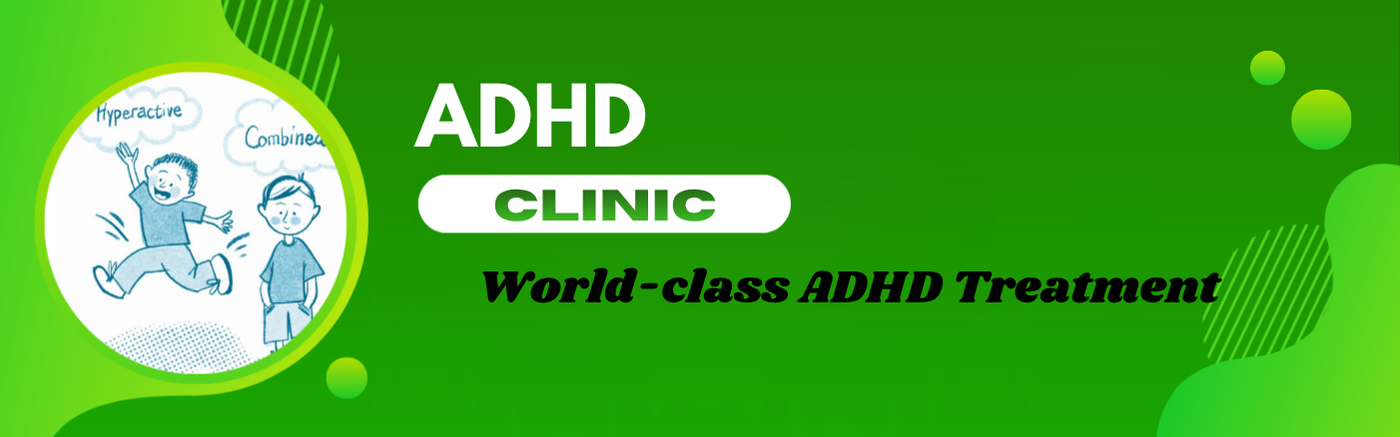
ADHD means Attention Deficit Hyperactivity Disorder. It is a common neurodevelopmental condition that affects a child’s attention, activity level, impulse control, emotional regulation, learning, behavior, organization, memory, school performance, and daily functioning. ADHD is not caused by bad parenting or lack of discipline. It is related to differences in brain development, attention control, executive function, and self-regulation.
Children with ADHD may struggle to focus, sit still, follow instructions, complete schoolwork, control impulses, wait for turns, organize tasks, remember instructions, or manage emotions. Some children are very hyperactive, while others are quiet but inattentive. Many children with ADHD are intelligent, creative, energetic, and capable, but they need proper understanding, structured support, family guidance, school cooperation, and individualized treatment planning.
Early identification and appropriate intervention can help improve school performance, behavior, family relationships, confidence, emotional control, learning, and long-term development.
Common Symptoms of ADHD in Children
Parents should consult an ADHD Clinic or pediatric neurodevelopment clinic if a child has:
Poor attention, easily distracted behavior, difficulty finishing tasks, frequent careless mistakes, forgetfulness, losing school items, difficulty following instructions, poor listening, avoiding homework, poor organization, excessive talking, running or climbing excessively, difficulty sitting still, fidgeting, interrupting others, difficulty waiting for turn, impulsive behavior, emotional outburst, anger, classroom complaints, poor school performance, low confidence, learning difficulty, sleep problems, behavior concerns, excessive screen use, or difficulty maintaining routine.
Symptoms may appear at home, school, coaching, social settings, online class, study time, or during daily routines. For ADHD diagnosis, symptoms usually need to be persistent and affect the child’s functioning in more than one setting.
Types of ADHD Evaluated at Nafaur’s Neurocare
Inattentive Type ADHD
Children with inattentive ADHD may not be very hyperactive, but they struggle with focus, memory, organization, task completion, schoolwork, and following instructions. They may appear dreamy, slow, careless, forgetful, distracted, or unmotivated. These children are sometimes missed because they may not disturb the classroom.
Parents may notice that the child forgets homework, loses books, needs repeated reminders, cannot finish tasks, makes careless mistakes, or appears not to listen.
Hyperactive-Impulsive Type ADHD
Children with hyperactive-impulsive ADHD may be restless, overactive, noisy, impulsive, impatient, talkative, disruptive, and unable to sit still. They may interrupt others, run around excessively, climb in unsafe places, act without thinking, touch things repeatedly, or struggle with classroom rules.
Parents and teachers may describe the child as always moving, unable to wait, frequently interrupting, or acting before thinking.
Combined Type ADHD
Many children have both attention difficulty and hyperactivity-impulsivity. They may struggle with school performance, behavior, emotional regulation, family routines, peer relationships, and self-confidence.
Combined ADHD may need a structured plan involving pediatric neurological evaluation, behavior guidance, parent counseling, school support, therapy planning, sleep routine correction, screen time control, and follow-up.

ADHD Clinic Services at Nafaur’s Neurocare
The ADHD Clinic in Nafaur’s Neurocare provides dedicated evaluation and support for children with attention difficulty, hyperactivity, impulsive behavior, learning difficulty, behavior problems, school difficulties, and neurodevelopmental concerns.
Services may include:
Pediatric neurology consultation, developmental assessment, ADHD symptom evaluation, attention and behavior assessment, school performance review, learning difficulty screening, speech and language concern review, autism spectrum concern screening, sleep problem assessment, screen time concern guidance, seizure concern evaluation when needed, MRI or EEG report review when clinically relevant, parent counseling, behavior support planning, school guidance, therapy planning, psychological support guidance, developmental therapy support, fine motor support, and long-term follow-up.
The clinic helps parents understand the child’s attention pattern, behavior challenges, emotional regulation, learning difficulty, possible associated conditions, home management strategies, school support needs, therapy goals, and follow-up plan.
ADHD and Learning Difficulty
Many children with ADHD have difficulty with reading, writing, mathematics, memory, handwriting, task completion, exam performance, and school discipline. ADHD can affect school performance even when the child is intelligent. A child may understand lessons but fail to complete homework, forget instructions, lose books, make careless mistakes, or perform below potential.
Some children may have both ADHD and specific learning difficulty. Proper evaluation is important because punishment or repeated scolding does not solve the real problem.
Nafaur’s Neurocare provides evaluation and guidance for children with ADHD and learning difficulty so parents can understand whether the child needs behavior support, learning support, developmental therapy, school accommodation, or further assessment.
ADHD and Behavior Problems
Children with ADHD may be labeled as naughty, disobedient, careless, stubborn, lazy, restless, or undisciplined. In many cases, the child is not intentionally misbehaving but is struggling with impulse control, emotional regulation, attention, and self-management.
Behavior concerns may include tantrums, anger, interrupting, fighting with siblings, refusing homework, poor waiting ability, classroom complaints, excessive talking, difficulty following rules, and emotional outbursts. Structured behavior support and parent guidance can make a major difference.
ADHD and Emotional Regulation
Children with ADHD may have emotional outbursts, frustration, low tolerance, crying, anger, anxiety-like symptoms, low confidence, mood changes, or frequent conflict with parents and teachers. Emotional regulation support helps children learn routines, coping skills, communication, and better responses to frustration.
Parents may also need guidance on how to respond calmly, set boundaries, reduce conflict, use positive reinforcement, and improve daily routines.
ADHD and Autism Spectrum Concerns
ADHD and autism spectrum disorder can sometimes overlap. A child with ADHD may have poor attention and hyperactivity, while a child with autism may also have social communication difficulty, poor eye contact, repetitive behavior, sensory issues, and speech delay. Some children may have both ADHD and autism spectrum concerns.
The ADHD Clinic in Nafaur’s Neurocare evaluates children carefully to understand whether symptoms are mainly ADHD, autism-related, learning-related, developmental delay-related, sleep-related, seizure-related, or behavior-related.
ADHD and Speech Delay
Some children with attention difficulty may also have speech delay, language delay, poor communication, or difficulty following verbal instructions. Speech and language problems can worsen behavior because the child may not understand instructions or may not express needs clearly.
Nafaur’s Neurocare provides guidance for children needing speech therapy, developmental therapy, communication support, and pediatric neurological evaluation when speech delay is associated with seizure, developmental delay, autism concern, or abnormal neurodevelopment.
ADHD and Sleep Problems
Sleep problems can worsen attention, hyperactivity, irritability, learning, behavior, and emotional regulation. Some children with ADHD have delayed sleep, restless sleep, frequent waking, snoring, poor sleep routine, or excessive screen time before bed.
The ADHD Clinic supports families with sleep routine guidance and evaluation of sleep-related factors affecting behavior and learning.
ADHD and Screen Time
Excessive screen time may worsen attention problems, sleep disturbance, irritability, speech delay, social communication difficulty, and behavior problems in children. Many parents in Bangladesh are concerned that children are becoming more hyperactive, inattentive, angry, or speech delayed due to uncontrolled mobile phone, YouTube, gaming, tablet, or TV exposure.
Nafaur’s Neurocare provides parent counseling on screen time control, routine building, interactive play, communication stimulation, sleep hygiene, physical activity, and structured learning activities.
ADHD and Seizure or Neurological Conditions
Some children with attention problems may also have epilepsy, seizure-like episodes, head injury history, brain infection history, developmental delay, cerebral palsy, hydrocephalus, brain malformation, or other neurological conditions. In these cases, pediatric neurological assessment is important.
At Nafaur’s Neurocare, children with ADHD-like symptoms and neurological concerns can receive pediatric neurology review, EEG report review when needed, MRI report review when clinically relevant, and long-term neurocare planning.
ADHD and School Performance
School performance is one of the most common concerns in children with ADHD. Parents may report that the child studies but forgets, cannot finish homework, leaves answers incomplete, makes careless mistakes, loses focus during exams, disturbs classmates, or receives repeated complaints from teachers.
Children with ADHD often need structured academic support, clear instructions, short study sessions, routine, reduced distractions, and positive encouragement. Teachers can help by seating the child away from distractions, checking understanding, giving step-by-step instructions, allowing short breaks, and using consistent behavior strategies.
ADHD Treatment and Support in Bangladesh
ADHD care depends on the child’s age, symptom severity, school impact, family concerns, associated developmental issues, and medical background. ADHD management may include parent counseling, behavior strategies, school support, structured routine, sleep improvement, screen time reduction, learning support, therapy, and medicine guidance when clinically appropriate.
Nafaur’s Neurocare focuses on a child-friendly and family-centered approach. The goal is not only to reduce hyperactivity but also to improve attention, learning, confidence, behavior, communication, family routine, school participation, and long-term development.
Parents searching for ADHD treatment in Bangladesh, child attention treatment Dhaka, hyperactive child treatment Bangladesh, ADHD behavior therapy Dhaka, and best ADHD clinic in Dhaka can consult Nafaur’s Neurocare for proper evaluation and guidance.
Parent Counseling for ADHD
Parent counseling is one of the most important parts of ADHD care. Parents often feel frustrated, confused, or blamed because the child is repeatedly scolded at home or school. Proper guidance helps parents understand ADHD and manage the child more effectively.
Parent guidance may include:
Creating daily routine, reducing screen time, improving sleep schedule, using short instructions, rewarding positive behavior, setting clear rules, breaking tasks into small steps, reducing distractions during study, improving homework structure, managing tantrums calmly, working with teachers, encouraging physical activity, and building the child’s strengths.
School Support for Children with ADHD
Children with ADHD often need school support. Teachers may help by giving shorter instructions, seating the child away from distractions, allowing structured breaks, checking homework diary, using positive reinforcement, giving extra time when needed, and communicating regularly with parents.
School support is important because ADHD affects classroom behavior, homework completion, exam performance, peer relationships, and self-esteem. A child with ADHD should not be repeatedly punished without understanding the underlying attention and impulse-control difficulties.
Therapy and Allied Support for ADHD
Children with ADHD may benefit from different allied services depending on their needs. Some children need developmental therapy, behavior support, speech therapy, fine motor therapy, psychological support, learning support, nutrition guidance, or physiotherapy if motor coordination is also affected.
Therapy support may focus on attention, routine, emotional regulation, task completion, communication, handwriting readiness, daily living skills, and school readiness.
Nafaur’s Neurocare provides allied clinic support to help children improve attention, communication, emotional regulation, daily routine, learning readiness, and functional skills.
ADHD and Nutrition, Physical Activity and Daily Routine
Healthy routine is important for children with ADHD. Irregular sleep, excess sugar intake, excessive screen time, lack of outdoor play, poor meal routine, and unstructured day may worsen hyperactivity, mood, sleep, and learning difficulty.
Parents may receive guidance on:
Regular meals, hydration, physical activity, sleep routine, structured study time, screen-time limitation, calming bedtime routine, and balanced nutrition.
Long-Term Follow-Up for ADHD
ADHD may continue through school years and sometimes into adolescence. The child’s needs may change with class level, academic pressure, emotional development, screen exposure, family routine, and social demands. Regular follow-up helps monitor behavior, learning, attention, sleep, therapy progress, school response, and overall development.
Long-term follow-up may include:
Attention and behavior review, school performance monitoring, parent counseling, therapy goal review, sleep and screen-time guidance, developmental assessment, associated autism or learning concern follow-up, medicine response monitoring when applicable, and pediatric neurology review when needed.
Nafaur’s Neurocare supports families with long-term child neurodevelopment care, parent counseling, therapy coordination, and pediatric neurological follow-up when needed.
Allied Clinic Support at Nafaur’s Neurocare
Nafaur’s Neurocare runs different allied clinics to support children with ADHD and complex pediatric neurodevelopmental needs. Children attending the ADHD Clinic may benefit from:
Developmental therapy, behavior support, speech therapy, fine motor therapy, learning support guidance, psychological support, nutrition support, sleep routine guidance, school-readiness assessment, parent counseling, seizure monitoring when required, and long-term developmental follow-up.
This integrated approach helps families receive pediatric neurology, pediatric neurosurgery evaluation when required, developmental care, behavioral guidance, rehabilitation support, and allied child neurocare from one dedicated pediatric neurocare platform in Bangladesh.
Why Choose Nafaur’s Neurocare for ADHD Clinic?
Parents choose Nafaur’s Neurocare because it provides a dedicated pediatric neurocare environment for children with ADHD, attention difficulty, hyperactivity, learning difficulty, speech delay, developmental delay, autism concerns, behavior problems, seizure, brain, spine, nerve, and neurological conditions. The ADHD Clinic is designed to support families from early symptom recognition to assessment, therapy planning, behavior support, school guidance, parent counseling, and long-term follow-up.
Key reasons to choose Nafaur’s Neurocare include:
Dedicated pediatric neurology and pediatric neurodevelopment services, child-focused ADHD evaluation, attention and behavior assessment, learning difficulty support, autism and speech delay screening, sleep and screen time guidance, parent-friendly counseling, school support planning, therapy coordination, allied clinic support, Bangladesh-focused pediatric neurocare, accessible location in Shyamoli, Dhaka, and easy contact through phone, social media, and Google Map.
Bangladesh Perspective: Early ADHD Evaluation Can Improve Learning and Behavior
In Bangladesh, many children with ADHD are misunderstood as naughty, lazy, careless, stubborn, restless, or undisciplined. Some children are repeatedly punished at home or school without proper evaluation. Others struggle silently with poor attention, low confidence, poor exam performance, and learning difficulty.
Parents should seek expert evaluation if a child has persistent attention difficulty, hyperactivity, impulsive behavior, school complaints, poor learning, emotional outburst, sleep problems, excessive screen-time concern, or developmental concerns.
The ADHD Clinic in Nafaur’s Neurocare focuses on early detection, family education, pediatric neurological evaluation, behavior support, school guidance, therapy planning, and long-term developmental support for children with ADHD in Bangladesh.
Chamber Address
Nafaur’s Neurocare
H # 24/1, Level # 7, Shyamoli Square
Shyamoli Cinema Hall Building, Mirpur Road, Shyamoli
Dhaka – 1207, Bangladesh
Google Map Location
For easy direction and exact location, visit Nafaur’s Neurocare through Google Map:
Google Map:
https://maps.app.goo.gl/zU4EcLt9CS7k2WVL8
Appointment Numbers
For appointment and consultation:
01816899489
01336331818
Social Media Links for Easy Contact
Facebook:
https://www.facebook.com/NafaursNeurocare
Instagram:
https://www.instagram.com/neurocarebd