Hydrocephalus Clinic in Nafaur’s Neurocare
Dedicated Pediatric Hydrocephalus, VP Shunt, ETV Surgery, Pediatric Neurosurgery & Pediatric Neurology Services in Bangladesh
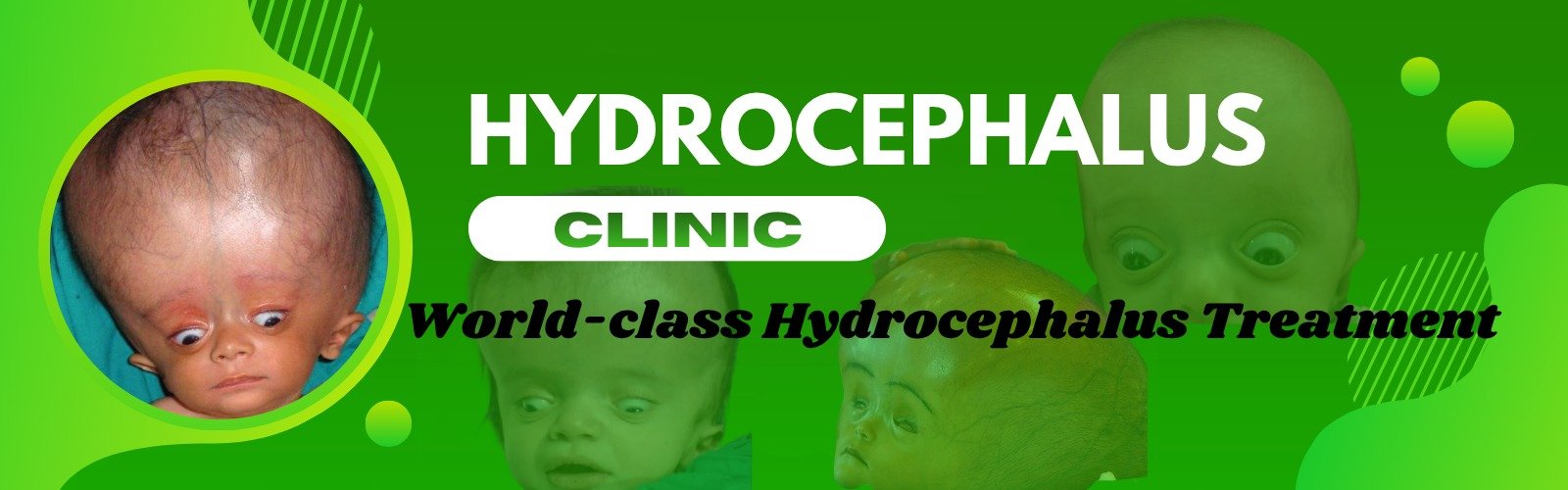
Nafaur’s Neurocare is one of the dedicated pediatric neurocare centres in Bangladesh, providing specialized pediatric neurosurgical, pediatric neurological, developmental, rehabilitation, and allied child neurocare services for newborns, infants, children, and adolescents. Through its Pediatric Neurosurgical and Neurological Clinic, Hydrocephalus Clinic, Neuro Development Clinic, Epilepsy Clinic, Cerebral Palsy Clinic, and other allied child neurocare services, Nafaur’s Neurocare provides focused evaluation and care for children with hydrocephalus, enlarged head, increased brain fluid, raised intracranial pressure, delayed milestone, vomiting, seizure, poor feeding, developmental delay, sunset eye sign, and other complex pediatric brain and nervous system conditions.
The Hydrocephalus Clinic in Nafaur’s Neurocare is specially designed for babies and children who have congenital hydrocephalus, acquired hydrocephalus, post-meningitis hydrocephalus, post-hemorrhagic hydrocephalus, hydrocephalus with spina bifida, hydrocephalus with brain tumor, hydrocephalus with encephalocele, syndromic hydrocephalus, shunt malfunction, shunt infection, and long-term hydrocephalus-related developmental concerns.
Many parents in Bangladesh search for hydrocephalus treatment in Bangladesh, hydrocephalus clinic in Dhaka, VP shunt surgery in Bangladesh, ETV surgery in Dhaka, pediatric neurosurgeon for hydrocephalus, baby enlarged head treatment Bangladesh, brain fluid treatment for children, hydrocephalus surgery for newborn, and best pediatric neurocare centre in Bangladesh. Nafaur’s Neurocare aims to provide dedicated evaluation, diagnosis support, imaging review, pediatric neurosurgical counseling, pediatric neurology support, developmental monitoring, and long-term child neurocare planning.
What is Hydrocephalus?
Hydrocephalus is a condition where excess cerebrospinal fluid, commonly called CSF or brain fluid, accumulates inside the brain ventricles. Normally, CSF flows through the brain and spinal canal and is absorbed naturally. When this flow is blocked, absorption is reduced, or fluid production and circulation become abnormal, the ventricles inside the brain enlarge and pressure may increase.
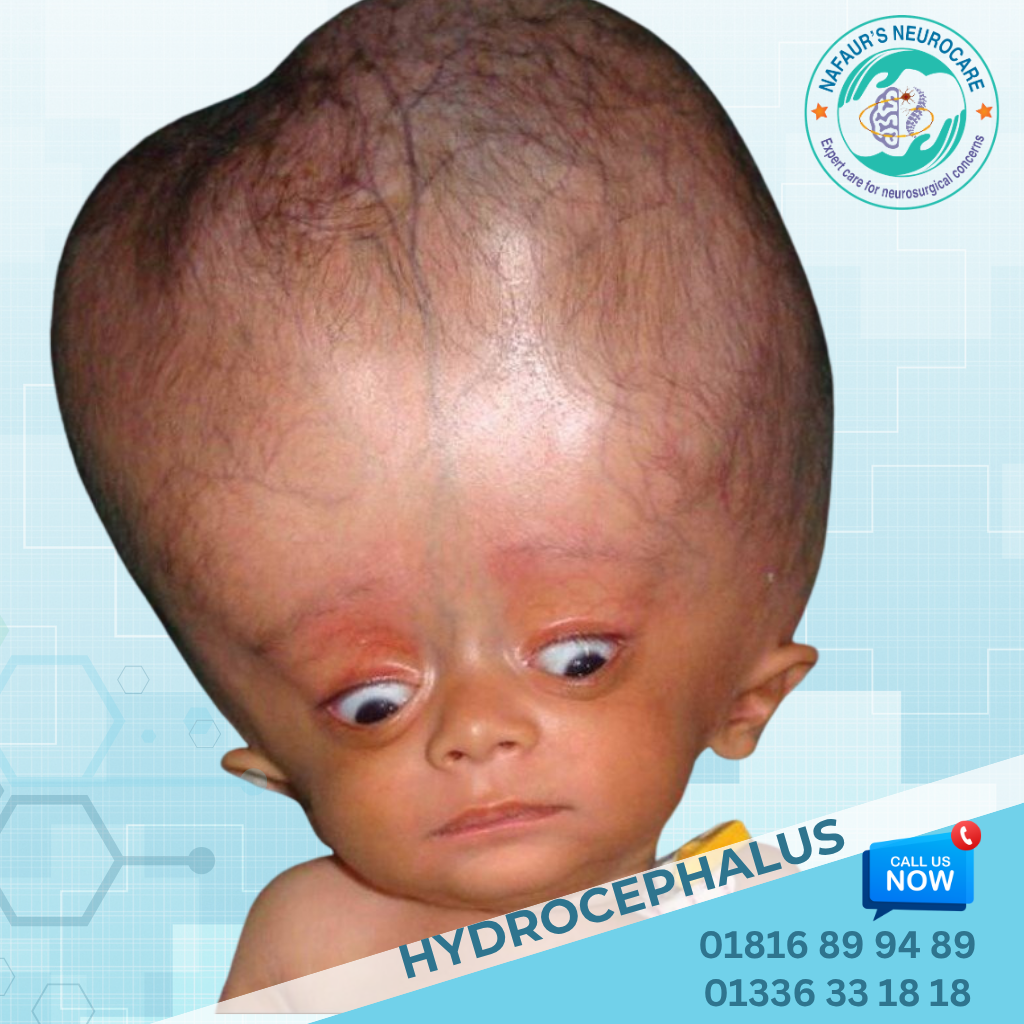
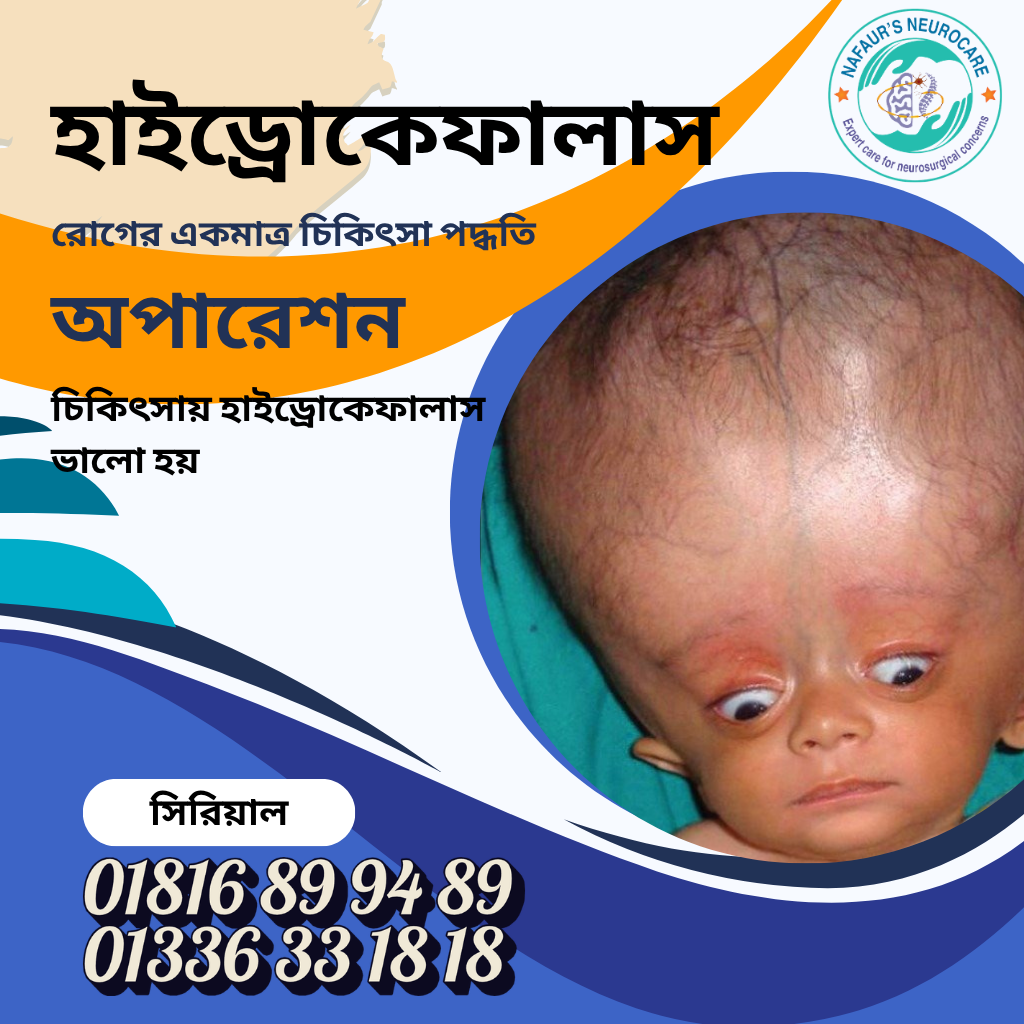
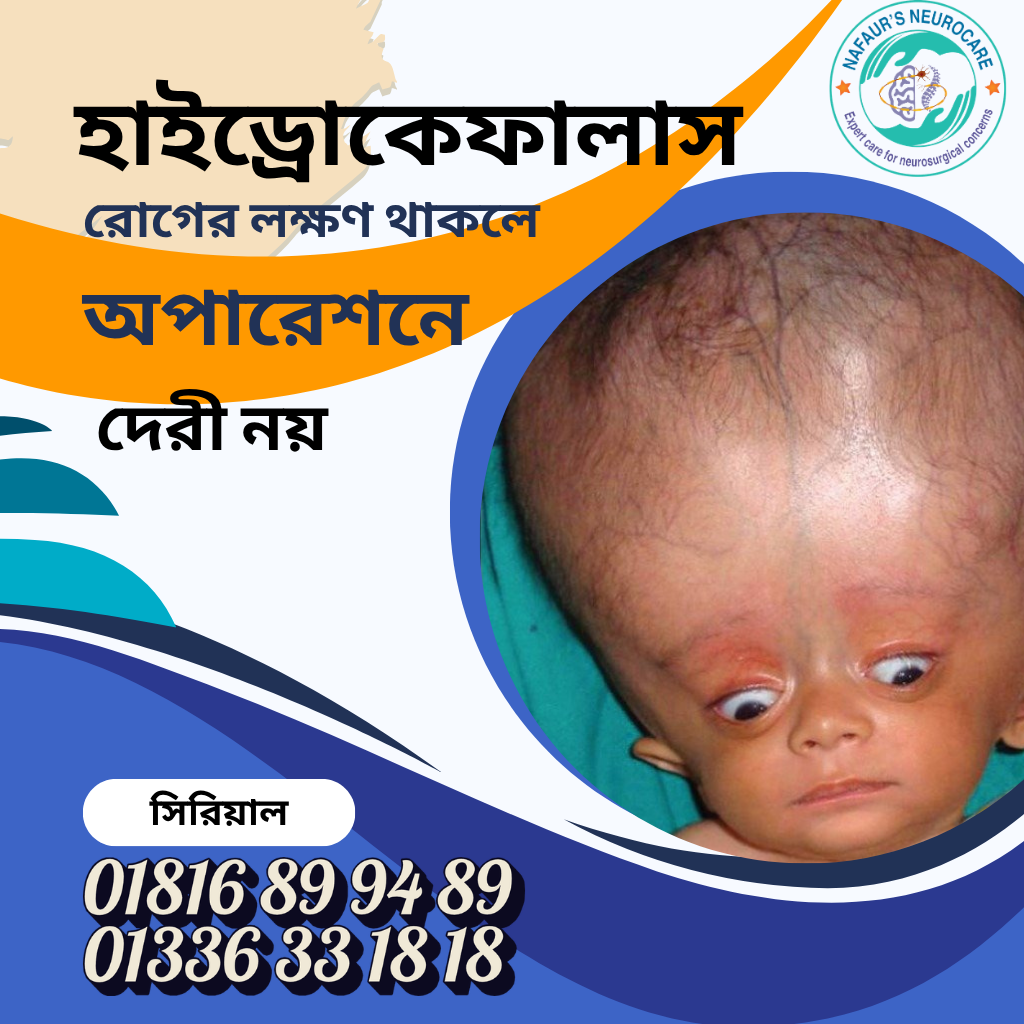
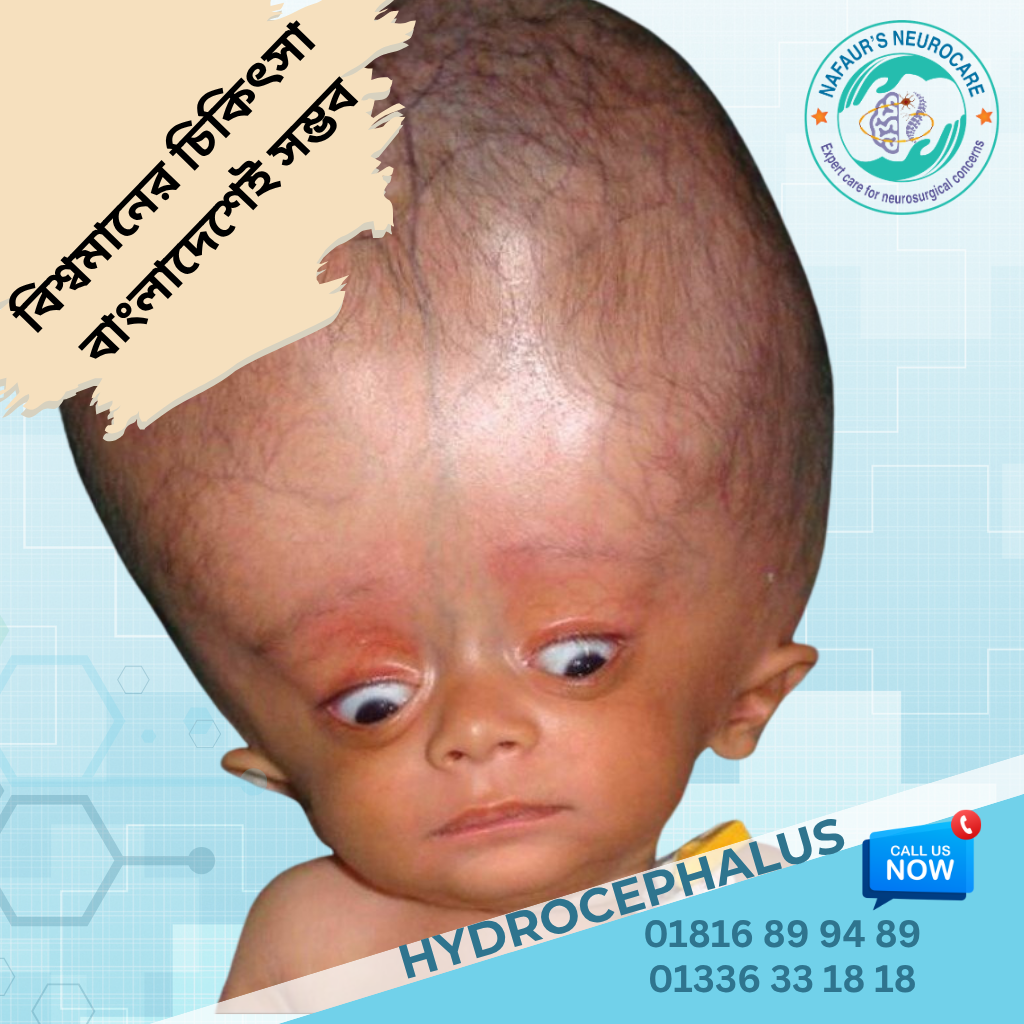
In babies, hydrocephalus may cause enlarged head size because the skull bones are still flexible. In older children, hydrocephalus may cause headache, vomiting, visual problems, seizure, drowsiness, walking difficulty, or school performance decline. If hydrocephalus is not evaluated and managed properly, it can affect brain development, movement, vision, learning, and overall quality of life.
Hydrocephalus is one of the most important pediatric neurosurgical conditions. Early diagnosis, proper treatment planning, timely surgery when required, and regular follow-up are very important for better outcomes.
Common Signs and Symptoms of Hydrocephalus in Babies
Parents should consult a pediatric neurosurgeon or pediatric neurocare clinic if a baby has:
Rapidly increasing head size, enlarged head circumference, bulging fontanelle, prominent scalp veins, poor feeding, repeated vomiting, excessive crying, irritability, unusual sleepiness, sunset eye sign, seizure, delayed head control, delayed milestone, poor weight gain, abnormal eye movement, or developmental delay.
In Bangladesh, many babies with hydrocephalus are brought late because families may initially think the baby has a naturally large head. But rapidly increasing head size, vomiting, poor feeding, and sunset eye sign should never be ignored.
Symptoms of Hydrocephalus in Older Children
Older children may not have an enlarged head because the skull bones are already fused. They may present with:
Headache, morning headache, headache with vomiting, blurred vision, double vision, difficulty walking, balance problem, seizure, poor school performance, irritability, behavioral change, excessive sleepiness, weakness, abnormal eye movement, memory problem, or reduced activity.
A child with headache and vomiting, visual symptoms, seizure, or drowsiness should be evaluated urgently because these may be signs of raised intracranial pressure.
Types of Hydrocephalus Evaluated at Nafaur’s Neurocare
Congenital Hydrocephalus
Congenital hydrocephalus is present from birth and may be detected during pregnancy, immediately after birth, or during early infancy. It may be associated with aqueductal stenosis, brain malformation, neural tube defect, Dandy-Walker malformation, Chiari malformation, encephalocele, or other congenital CNS disorders.
Obstructive Hydrocephalus
Obstructive hydrocephalus occurs when CSF flow is blocked inside the brain. Causes may include aqueductal stenosis, brain tumor, cyst, congenital malformation, infection, or bleeding. Some children with obstructive hydrocephalus may be suitable for ETV surgery depending on age, anatomy, and clinical condition.
Communicating Hydrocephalus
Communicating hydrocephalus occurs when CSF can flow but is not absorbed properly. It may happen after meningitis, brain hemorrhage, infection, trauma, or other conditions. VP shunt surgery may be required in many cases depending on the child’s condition.
Post-Infective Hydrocephalus
Post-infective hydrocephalus may develop after meningitis, TB meningitis, ventriculitis, brain abscess, subdural empyema, or other CNS infections. This is an important concern in Bangladesh because childhood CNS infection can sometimes lead to brain fluid circulation problems.
Post-Hemorrhagic Hydrocephalus
Post-hemorrhagic hydrocephalus may occur after bleeding inside the brain ventricles, especially in premature babies or newborns with intraventricular hemorrhage. These babies need careful monitoring, head circumference measurement, imaging follow-up, and pediatric neurosurgical evaluation.
Hydrocephalus with Spina Bifida and Myelomeningocele
Many babies with myelomeningocele or spina bifida may develop hydrocephalus. These children may also have Chiari malformation, leg weakness, foot deformity, bladder-bowel problems, and developmental concerns. They need coordinated pediatric neurosurgery, pediatric neurology, rehabilitation, and long-term follow-up.
Hydrocephalus with Brain Tumor
Brain tumors in children can block CSF flow and cause hydrocephalus. This may present with headache, vomiting, drowsiness, imbalance, visual symptoms, seizure, or neurological deterioration. Children with tumor-related hydrocephalus need urgent pediatric neurosurgical evaluation.
Shunt Malfunction and Shunt Infection
Children who already have a VP shunt need regular follow-up. Shunt malfunction or shunt infection can be serious. Warning signs may include vomiting, headache, fever, drowsiness, irritability, seizure, redness along shunt tract, abdominal swelling, poor feeding, or return of hydrocephalus symptoms.
Hydrocephalus Clinic Services at Nafaur’s Neurocare

The Hydrocephalus Clinic in Nafaur’s Neurocare provides dedicated pediatric evaluation and follow-up services for children with hydrocephalus and brain fluid circulation disorders.
Services may include:
Pediatric neurosurgical consultation, pediatric neurological assessment, head circumference monitoring, developmental milestone assessment, MRI brain review, CT scan review, cranial ultrasound report review, antenatal ventriculomegaly report review, hydrocephalus severity assessment, VP shunt surgery counseling, ETV surgery counseling, ETV with CPC discussion in selected cases, shunt malfunction evaluation, shunt infection warning sign assessment, seizure evaluation, hydrocephalus with spina bifida assessment, hydrocephalus with brain tumor evaluation, post-operative follow-up planning, rehabilitation guidance, parent counseling, and long-term developmental monitoring.
The clinic helps parents understand the child’s condition, possible cause, treatment options, urgency, surgical planning, warning signs, follow-up schedule, and developmental support needs.
VP Shunt Surgery for Hydrocephalus in Bangladesh
VP shunt surgery, or ventriculoperitoneal shunt surgery, is one of the most common pediatric neurosurgical operations for hydrocephalus. A VP shunt helps drain excess CSF from the brain ventricles to the abdomen, where the fluid can be absorbed.
Parents often search for VP shunt surgery in Bangladesh, VP shunt surgery in Dhaka, VP shunt for baby hydrocephalus, hydrocephalus shunt surgery Bangladesh, and pediatric neurosurgeon for VP shunt surgery.
VP shunt surgery may be considered for congenital hydrocephalus, communicating hydrocephalus, post-infective hydrocephalus, post-hemorrhagic hydrocephalus, tumor-related hydrocephalus, and other selected cases. After shunt surgery, long-term follow-up is important because children need monitoring for shunt function, infection, head growth, development, seizure, and neurological progress.
ETV Surgery for Hydrocephalus
Endoscopic Third Ventriculostomy, commonly known as ETV, is an endoscopic brain surgery used in selected cases of obstructive hydrocephalus. Instead of placing a shunt, ETV creates an internal pathway for CSF flow. ETV may be suitable for selected children depending on age, anatomy, cause of hydrocephalus, and MRI findings.
Parents search for ETV surgery in Bangladesh, ETV surgery in Dhaka, endoscopic hydrocephalus surgery Bangladesh, pediatric endoscopic brain surgery, and ETV for obstructive hydrocephalus.
Nafaur’s Neurocare provides counseling and assessment guidance for children who may need ETV evaluation.
ETV with CPC
ETV with CPC, or Endoscopic Third Ventriculostomy with Choroid Plexus Cauterization, may be considered in selected pediatric hydrocephalus cases, especially in infants depending on the type of hydrocephalus and neurosurgical judgment. It requires careful selection and expert pediatric neurosurgical evaluation.
Hydrocephalus and Child Development
Hydrocephalus may affect a child’s development, especially if diagnosis or treatment is delayed. Children may have delayed head control, delayed sitting, delayed walking, speech delay, learning difficulty, seizure, visual problems, motor delay, or behavioral concerns.
At Nafaur’s Neurocare, children with hydrocephalus can receive developmental assessment, pediatric neurology follow-up, and allied clinic support. Long-term developmental follow-up helps identify therapy needs early and supports better functional outcomes.
Hydrocephalus and Epilepsy
Some children with hydrocephalus may develop seizure or epilepsy due to underlying brain malformation, infection, bleeding, tumor, or raised pressure. Seizure in a child with hydrocephalus needs pediatric neurology assessment and careful follow-up.
Hydrocephalus and Vision Problems
Raised brain pressure from hydrocephalus may affect eye movement and vision. Parents may notice sunset eye sign, squint, double vision, blurred vision, poor visual attention, or abnormal eye movement. These symptoms should be evaluated urgently.
Emergency Warning Signs in Hydrocephalus
Parents should seek urgent medical care if a child with suspected or known hydrocephalus has:
Repeated vomiting, excessive sleepiness, seizure, severe headache, poor feeding, bulging fontanelle, fever, irritability, sunset eye sign, drowsiness, weakness, reduced consciousness, rapid head enlargement, redness along shunt tract, or symptoms of shunt malfunction.
A child with a VP shunt and sudden vomiting, fever, drowsiness, or headache should be evaluated urgently.

Long-Term Follow-Up for Hydrocephalus
Hydrocephalus is often a long-term condition. Even after surgery, children need regular follow-up to monitor shunt function, ETV success, head growth, developmental milestones, seizure, vision, learning, walking, speech, and behavior.
Follow-up may include:
Clinical examination, head circumference measurement, developmental assessment, imaging review when needed, shunt function monitoring, seizure follow-up, therapy planning, and parent education.
Nafaur’s Neurocare supports families with long-term pediatric neurocare planning and regular follow-up guidance.
Allied Clinic Support at Nafaur’s Neurocare
Nafaur’s Neurocare runs different allied clinics to support children with complex pediatric neurological, neurosurgical, developmental, and rehabilitation needs. Children attending the Hydrocephalus Clinic may benefit from:
Developmental therapy, physiotherapy, fine motor therapy, speech therapy, feeding support guidance, nutrition support, seizure monitoring, psychological support for family, rehabilitation guidance, school-readiness assessment, parent counseling, and long-term developmental follow-up.
This integrated approach helps families receive pediatric neurosurgery, pediatric neurology, developmental care, rehabilitation guidance, and allied child neurocare from one dedicated pediatric neurocare platform in Bangladesh.
Why Choose Nafaur’s Neurocare for Hydrocephalus Clinic?
Parents choose Nafaur’s Neurocare because it provides a dedicated pediatric neurocare environment for children with hydrocephalus, enlarged head, raised intracranial pressure, developmental delay, seizure, spina bifida, brain tumor, congenital CNS malformation, brain infection complications, and complex neurological conditions.
Key reasons to choose Nafaur’s Neurocare include:
Dedicated pediatric neurology and pediatric neurosurgery services, child-focused hydrocephalus evaluation, newborn and infant hydrocephalus assessment, VP shunt surgery counseling, ETV surgery guidance, shunt malfunction and shunt infection warning assessment, imaging report review support, developmental monitoring, parent-friendly counseling, therapy and rehabilitation planning, allied clinic support, Bangladesh-focused pediatric neurocare, accessible location in Shyamoli, Dhaka, and easy contact through phone, social media, and Google Map.
Bangladesh Perspective: Early Hydrocephalus Diagnosis is Very Important
In Bangladesh, many babies with hydrocephalus are brought late because families may not recognize early symptoms or may think head enlargement will improve naturally. Delayed diagnosis can increase the risk of developmental delay, visual problems, seizure, feeding difficulty, and neurological complications.
Parents should seek expert pediatric neurocare evaluation if a baby has rapidly increasing head size, bulging fontanelle, vomiting, poor feeding, irritability, sunset eye sign, seizure, or delayed milestone. Older children with headache, vomiting, visual problems, drowsiness, or walking difficulty should also be evaluated urgently.
The Hydrocephalus Clinic in Nafaur’s Neurocare focuses on early detection, pediatric neurosurgical assessment, pediatric neurological follow-up, surgery counseling when required, parent education, developmental monitoring, and long-term child neurocare support in Bangladesh.
Chamber Address
Nafaur’s Neurocare
H # 24/1, Level # 7, Shyamoli Square
Shyamoli Cinema Hall Building, Mirpur Road, Shyamoli
Dhaka – 1207, Bangladesh
Google Map Location
For easy direction and exact location, visit Nafaur’s Neurocare through Google Map:
Google Map:
https://maps.app.goo.gl/zU4EcLt9CS7k2WVL8
Appointment Numbers
For appointment and consultation:
01816899489
01336331818
Social Media Links for Easy Contact
Facebook:
https://www.facebook.com/profile.php?id=61576514878632
Instagram:
https://www.instagram.com/neurocarebd