Paediatric Anesthesiology
Pediatric Anesthesiology Department in Nafaur’s Neurocare
Specialized Child Anesthesia, Neuroanesthesia & Surgical Safety Allied Clinic Services in Bangladesh
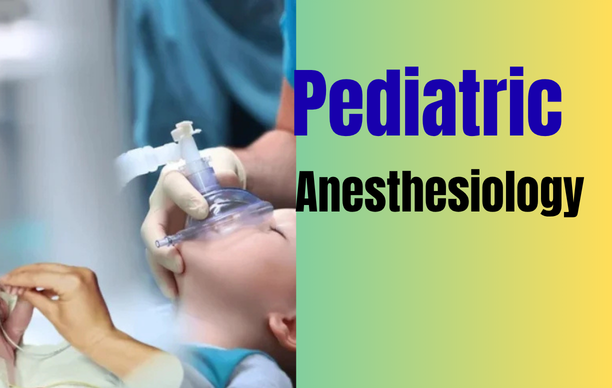
Nafaur’s Neurocare is one of the best pediatric neurocare centres in Bangladesh, providing specialized pediatric neurosurgery, pediatric neurology and allied pediatric services through different dedicated clinics. The Pediatric Anesthesiology Department of Nafaur’s Neurocare is an important allied clinic that supports children who need surgery, diagnostic procedures, sedation, pain management, pre-operative assessment and post-operative monitoring.
Pediatric anesthesia is different from adult anesthesia. Children have smaller airways, developing brains, different body weight, different drug responses, unique emotional needs and different surgical risks. Newborns, infants, toddlers, school-age children and adolescents each require age-specific anesthesia planning. Children with neurological and neurosurgical diseases need even more careful evaluation because brain pressure, seizure, hydrocephalus, congenital malformations, spine disease, respiratory issues, heart disease, nutrition and developmental status can affect anesthesia safety.
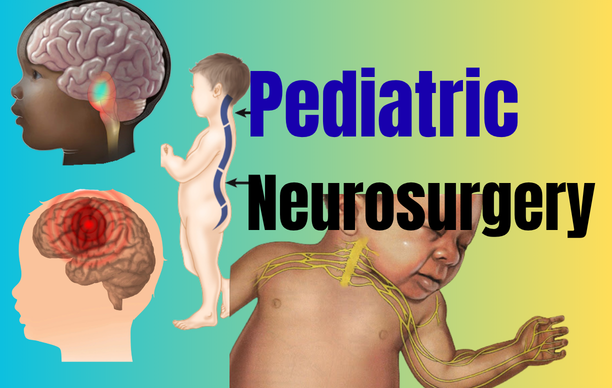
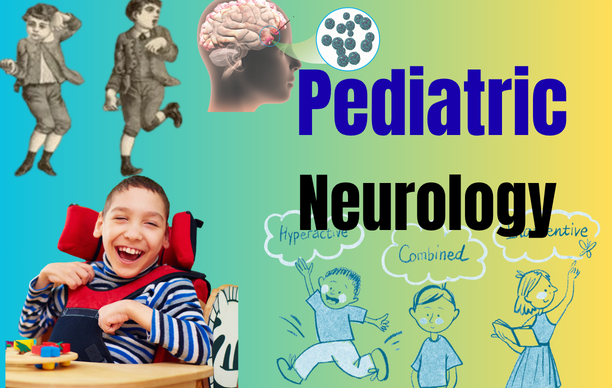
The Pediatric Anesthesiology Department in Nafaur’s Neurocare helps families understand anesthesia preparation, surgical fitness, pain control, fasting instructions, risk assessment, post-operative care and warning signs. This allied clinic works closely with pediatric neurosurgery, pediatric neurology, pediatric medicine, pediatric cardiology, pediatric surgery, pediatric urology, pediatric orthopedics and other allied services to support safe and child-friendly care.
Pediatric Anesthesiology Services in Nafaur’s Neurocare
The Pediatric Anesthesiology Department provides pre-operative evaluation, anesthesia risk assessment, perioperative planning, sedation support guidance, pain management and post-operative monitoring advice for children. The goal is to make surgical and procedural care safer, more comfortable and more family-friendly.
1. Pre-Operative Pediatric Anesthesia Assessment
Before surgery or any procedure requiring anesthesia, children need proper pre-operative assessment. This helps identify risk factors such as fever, cough, chest infection, heart disease, seizure disorder, anemia, poor nutrition, dehydration, airway difficulty, congenital anomaly or medication-related concerns.
Nafaur’s Neurocare provides pre-operative anesthesia assessment for:
Pediatric neurosurgery
Pediatric brain surgery
Pediatric spine surgery
Pediatric hydrocephalus surgery
VP shunt surgery
ETV surgery
Myelomeningocele repair
Encephalocele surgery
Craniosynostosis surgery
Brain tumor surgery
Spinal tumor surgery
Pediatric surgery procedures
Pediatric urology procedures
Pediatric orthopedic procedures
Children needing sedation or procedural anesthesia
A proper pre-operative anesthesia assessment helps improve surgical safety and reduce avoidable complications.
2. Pediatric Neuroanesthesia Support
Neuroanesthesia is a specialized area of anesthesia for brain, spine and nerve-related surgery. Pediatric neuroanesthesia requires careful monitoring of brain pressure, oxygenation, blood pressure, fluid balance, airway, seizure risk and post-operative neurological status.
Nafaur’s Neurocare provides neuroanesthesia-related support for children with:
Hydrocephalus
Raised intracranial pressure
Brain tumor
Spinal tumor
Myelomeningocele
Spina bifida
Encephalocele
Craniosynostosis
Chiari malformation
Craniovertebral junction anomaly
Tethered cord syndrome
Brain abscess
Subdural empyema
Neurotrauma
Pediatric stroke or vascular malformation
Congenital brain and spine disorders
Children with neurosurgical disease need anesthesia planning that protects the brain, spine and vital body functions during surgery.
3. Anesthesia Planning for Hydrocephalus Surgery
Children with hydrocephalus may require VP shunt, ETV, ETV with CPC or other neurosurgical procedures. These children may have vomiting, poor feeding, drowsiness, increased head size, raised intracranial pressure or associated congenital conditions.
Pediatric anesthesiology support is important for:
VP shunt surgery planning
ETV surgery planning
Hydrocephalus with raised intracranial pressure
Hydrocephalus in newborns and infants
Hydrocephalus with brain tumor
Hydrocephalus with infection
Hydrocephalus with myelomeningocele
Post-operative monitoring after shunt surgery
Anesthesia risk assessment in hydrocephalus patients
The goal is to support safe anesthesia and stable recovery during hydrocephalus treatment.
4. Anesthesia Support for Newborns and Infants
Newborns and infants require special anesthesia care because their airway, breathing, temperature control, blood sugar, blood volume and medication response are different from older children. Babies with congenital neurosurgical problems may need early surgery and careful perioperative planning.
Nafaur’s Neurocare supports anesthesia planning for:
Newborn surgery
Infant neurosurgery
Neonatal hydrocephalus surgery
Myelomeningocele repair in newborn
Encephalocele surgery in newborn
Congenital brain defect surgery
Congenital spine defect surgery
Low birth weight babies needing surgery
Premature babies needing surgical evaluation
Infants with feeding or breathing difficulty
Age-specific planning is very important for safe anesthesia in newborns and infants.
5. Sedation Guidance for Diagnostic and Minor Procedures
Some children need sedation for procedures or diagnostic tests because they cannot remain still or feel anxious. Sedation must be planned carefully, especially in children with neurological disease, seizure disorder, airway problems or developmental delay.
Nafaur’s Neurocare provides guidance for:
Sedation planning for children
Procedure-related sedation counseling
Sedation risk assessment
Sedation in children with epilepsy
Sedation in children with developmental delay
Sedation in children with autism
Sedation in children with cerebral palsy
Sedation for imaging-related procedures
Sedation for minor procedures
Post-sedation monitoring advice
Parents receive counseling about fasting, medication, possible risks and post-sedation care.
6. Pain Management for Children
Pain control is an important part of pediatric care. Children may experience pain after surgery, trauma, procedures, infection or chronic neurological and orthopedic conditions. Good pain control improves comfort, feeding, sleep, movement and recovery.
Nafaur’s Neurocare provides pain management guidance for:
Post-operative pain
Pain after neurosurgery
Pain after pediatric surgery
Pain after orthopedic injury
Headache-related pain support
Back pain in children
Spasticity-related discomfort
Wound-related pain
Procedural pain
Pain with neurological illness
Pain management in children should be safe, age-appropriate and carefully monitored.
7. Post-Operative Monitoring and Recovery Support
After anesthesia and surgery, children need careful monitoring for breathing, consciousness, pain, vomiting, fever, seizure, wound concerns, feeding, hydration and neurological status. Children after neurosurgery may need special attention to signs of raised intracranial pressure, shunt problems, weakness or altered consciousness.
Nafaur’s Neurocare provides post-operative recovery support for:
Post-anesthesia monitoring
Post-neurosurgery observation
Post-VP shunt surgery monitoring
Post-brain tumor surgery recovery
Post-spine surgery monitoring
Post-craniosynostosis surgery recovery
Post-myelomeningocele repair follow-up
Pain and vomiting management
Fever after surgery assessment
Neurological warning sign counseling
Post-operative care is important for safe recovery and early detection of complications.
8. Anesthesia Assessment for Children with Epilepsy and Seizure Disorder
Children with epilepsy or seizure disorder need careful anesthesia planning. Medication history, seizure frequency, fever, infection, sleep deprivation and missed antiepileptic drugs can affect perioperative seizure risk.
Nafaur’s Neurocare supports anesthesia planning for:
Epilepsy patients needing surgery
Seizure disorder before anesthesia
Antiepileptic medicine review before surgery
Fever with seizure history
Brain lesion-related seizure
Post-operative seizure risk
Sedation in epilepsy patients
Anesthesia planning with pediatric neurology support
Coordinated care helps reduce seizure-related complications before and after procedures.
9. Anesthesia Planning for Children with Cerebral Palsy and Developmental Disorders
Children with cerebral palsy, autism, developmental delay and neuromuscular disorders may have special anesthesia needs. They may have feeding difficulty, reflux, aspiration risk, respiratory problems, seizure, spasticity, poor nutrition or communication difficulty.
Nafaur’s Neurocare provides anesthesia-related support for children with:
Cerebral palsy
Autism spectrum disorder
Developmental delay
Global developmental delay
Neuromuscular disease
Feeding difficulty
Swallowing difficulty
Aspiration risk
Spasticity
Contracture
Behavioral difficulty before procedures
A child-friendly approach helps reduce fear and improve safety.
10. Multidisciplinary Surgical Safety Planning
Children with complex disease often need input from multiple specialties before surgery. Pediatric anesthesiology works with pediatric medicine, pediatric cardiology, pediatric neurology, pediatric neurosurgery and other departments to identify risks and improve safety.
Nafaur’s Neurocare supports multidisciplinary planning for:
Children with heart disease before surgery
Children with respiratory illness before anesthesia
Children with poor nutrition before surgery
Children with fever before planned operation
Children with anemia or chronic illness
Children with congenital syndrome
Children with multiple birth defects
Children needing neurosurgery and allied surgical care
Children needing post-operative rehabilitation
This coordinated approach helps families feel more prepared and confident.
Why Pediatric Anesthesiology Is Important in a Pediatric Neurocare Centre
Pediatric anesthesiology is extremely important in a pediatric neurocare centre because many children with brain, spine and nerve disorders need surgery or sedation. Safe anesthesia is essential for protecting the child’s brain, airway, breathing, heart function, blood pressure, temperature, pain control and recovery.
Pediatric anesthesiology support is especially important for children with:
Hydrocephalus
Raised intracranial pressure
VP shunt surgery need
Brain tumor
Spinal tumor
Myelomeningocele
Spina bifida
Encephalocele
Craniosynostosis
Cerebral palsy
Epilepsy
Developmental delay
Autism
Neuromuscular disease
Congenital brain and spine malformations
Head injury
Brain infection
Craniovertebral junction disorders
Children needing sedation for procedures
By combining pediatric neurosurgery, pediatric neurology, pediatric medicine, pediatric cardiology and pediatric anesthesiology support, Nafaur’s Neurocare provides a safer and more complete pathway for children who need surgery or procedural care.
Why People Choose Nafaur’s Neurocare for Pediatric Anesthesiology Allied Clinic Services
Parents choose Nafaur’s Neurocare because it provides child-focused, multidisciplinary and family-friendly pediatric care. The Pediatric Anesthesiology Department supports children before, during and after procedures by focusing on safety, comfort and preparation.
1. Dedicated Pediatric Neurocare Centre in Bangladesh
Nafaur’s Neurocare is focused on pediatric neurological, neurosurgical and allied pediatric services. This makes it suitable for children who need anesthesia planning for brain, spine, nerve and complex congenital conditions.
2. Special Focus on Pediatric Neuroanesthesia
Children undergoing neurosurgery need special anesthesia consideration. Nafaur’s Neurocare emphasizes neuroanesthesia planning for hydrocephalus, brain tumor, spine disease, craniosynostosis, encephalocele, myelomeningocele and other pediatric neurosurgical conditions.
3. Pre-Operative Safety and Risk Assessment
Parents often worry about anesthesia. The allied clinic helps identify risk factors, prepare the child, guide fasting, review medical conditions and improve readiness before surgery.
4. Coordination with Pediatric Neurosurgery and Neurology
Children with epilepsy, hydrocephalus, brain tumor, developmental delay, cerebral palsy or congenital neurological conditions may need coordinated care between anesthesiology, neurosurgery and neurology. Nafaur’s Neurocare supports this integrated approach.
5. Parent-Friendly Counseling
Parents receive clear explanation about anesthesia preparation, fasting instructions, medicine continuation, pain control, recovery monitoring, warning signs and follow-up needs.
6. Child-Friendly and Compassionate Care
Children may be afraid before procedures. Nafaur’s Neurocare provides a supportive environment that values emotional comfort, parental guidance and child-sensitive communication.
7. Bangladesh Perspective Care
In Bangladesh, many families feel anxious about anesthesia for children, especially newborns and infants. Nafaur’s Neurocare emphasizes proper preparation, specialist coordination and safe perioperative planning for better outcomes.
Common Situations That Need Pediatric Anesthesiology Consultation
Parents should seek pediatric anesthesiology consultation or pre-operative assessment if a child needs:
Brain surgery
Spine surgery
VP shunt surgery
ETV surgery
Myelomeningocele repair
Encephalocele surgery
Craniosynostosis surgery
Brain tumor surgery
Spinal tumor surgery
Pediatric surgery procedure
Pediatric urology procedure
Pediatric orthopedic procedure
Sedation for diagnostic test
Sedation for minor procedure
Surgery with seizure disorder
Surgery with congenital heart disease
Surgery with breathing problem
Surgery in newborn or infant
Surgery with cerebral palsy
Surgery with developmental delay
Surgery with autism
Surgery with poor feeding or poor nutrition
Surgery with fever or recent infection
Post-operative pain or recovery concern
Early consultation helps improve preparation and reduce avoidable risk.
Pediatric Anesthesiology Conditions and Services Supported at Nafaur’s Neurocare
Pre-operative anesthesia assessment
Pediatric neuroanesthesia support
Anesthesia planning for hydrocephalus surgery
Anesthesia planning for VP shunt surgery
Anesthesia planning for ETV surgery
Anesthesia planning for brain tumor surgery
Anesthesia planning for spinal tumor surgery
Anesthesia planning for myelomeningocele repair
Anesthesia planning for encephalocele surgery
Anesthesia planning for craniosynostosis surgery
Anesthesia planning for newborn and infant surgery
Sedation guidance for children
Sedation support for developmental delay
Sedation support for autism
Anesthesia risk assessment in epilepsy
Anesthesia planning in cerebral palsy
Pain management in children
Post-operative recovery monitoring
Post-neurosurgery monitoring
Pre-operative cardiac and medical coordination
Parent counseling before anesthesia
Surgical safety planning for children
Contact Nafaur’s Neurocare
Nafaur’s Neurocare
H # 24/1, Level # 7, Shyamoli Square,
Shyamoli Cinema Hall Building, Mirpur Road, Shyamoli,
Dhaka – 1207, Bangladesh
Appointment Numbers:
01816899489
01336331818
Google Map:
https://maps.app.goo.gl/9NM8HQHS3y9Z3C3eA?g_st=ac
Website:
www.bdpaediatricneurocare.com
Facebook:
https://www.facebook.com/NafaursNeurocare
Instagram:
https://www.instagram.com/neurocarebd
Consultant & Services