Understanding PLID in Nafaur’s Neurocare
PLID Treatment, Spine Care and Neurosurgical Guidance for Bangladeshi Patients
Nafaur’s Neurocare is one of the best pediatric neurocare centres in Bangladesh, providing specialized neurocare services for patients with brain, spine, nerve, neurological and neurosurgical conditions. Although Nafaur’s Neurocare is widely known for pediatric neurosurgery and pediatric neurocare, the centre is also renowned for guiding patients and families with different spine-related neurosurgical problems, including PLID, also known as Prolapsed Lumbar Intervertebral Disc.
PLID is one of the common causes of low back pain, leg pain, sciatica, numbness, weakness and walking difficulty among Bangladeshi patients. Many people in Bangladesh search online for PLID treatment in Bangladesh, PLID surgery in Dhaka, lumbar disc prolapse treatment Bangladesh, slipped disc treatment in Bangladesh, sciatica treatment Dhaka, best neurosurgeon for PLID in Bangladesh, and spine surgery in Bangladesh. For patients looking for expert neurosurgical evaluation, proper diagnosis, treatment planning and follow-up guidance, Nafaur’s Neurocare provides compassionate, patient-focused and professional neurocare support.
What is PLID?
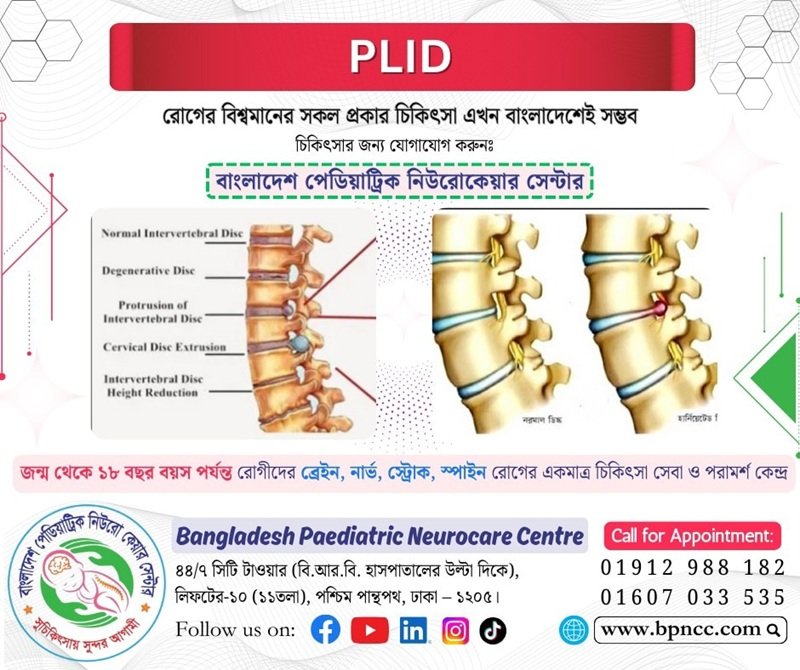
PLID means Prolapsed Lumbar Intervertebral Disc. It is commonly known as slipped disc, disc prolapse, lumbar disc herniation, or herniated disc. The lumbar spine is the lower part of the backbone. Between the spinal bones, there are soft cushion-like structures called intervertebral discs. These discs help absorb shock, support movement and protect the spine.
When part of a lumbar disc moves out of its normal position and presses on nearby spinal nerves, it is called PLID. This pressure can cause back pain, leg pain, numbness, tingling, weakness and difficulty in walking. In some patients, PLID may improve with medicine, rest, physiotherapy and lifestyle modification. In other patients, especially when nerve compression is severe or symptoms are not improving, neurosurgical evaluation and surgery may be needed.
Why PLID is Important for Bangladeshi Patients
Low back pain is very common in Bangladesh. Long working hours, poor posture, heavy lifting, long sitting, lack of exercise, obesity, road travel, motorcycle riding, office work, manual labor and age-related disc degeneration can contribute to lumbar disc problems. Many patients ignore early symptoms and continue daily activities until pain becomes severe.
PLID can affect daily life, work ability, sleep, walking, prayer posture, household activity, office productivity and overall quality of life. Some patients develop severe sciatica, where pain travels from the lower back to the buttock, thigh, leg and foot. Others may develop numbness, weakness or difficulty standing and walking.
Early diagnosis and proper treatment are important because untreated severe nerve compression may lead to long-term nerve damage, persistent pain, foot drop, bladder-bowel problems or disability.
Common Symptoms of PLID
PLID symptoms depend on the level of disc prolapse and the nerve root affected. Common symptoms include:
Low back pain, pain going down one leg, sciatica, buttock pain, thigh pain, calf pain, foot pain, numbness, tingling sensation, burning pain, electric shock-like pain, leg weakness, difficulty walking, pain while sitting, pain while bending, pain while coughing or sneezing, muscle spasm, reduced straight leg raising, difficulty standing for long time and reduced daily activity.
Some patients may have pain more in the leg than in the back. This often indicates nerve root compression.
Red Flag Symptoms: When PLID Needs Urgent Care
Patients should seek urgent neurosurgical consultation if they develop:
Severe leg weakness, foot drop, difficulty passing urine, loss of bladder control, loss of bowel control, numbness around the private area, rapidly worsening pain, inability to walk, fever with back pain, history of trauma, unexplained weight loss, cancer history or severe night pain.
These warning signs may indicate serious nerve compression or another spinal condition that needs urgent evaluation.
What Causes PLID?
PLID may occur due to multiple causes. Common contributing factors include:
Age-related disc degeneration, sudden heavy lifting, twisting injury, poor posture, long sitting, repeated bending, obesity, smoking, lack of physical exercise, weak back muscles, occupational strain, road vibration, trauma and genetic tendency.
In Bangladesh, many office workers, drivers, students, garment workers, manual laborers and elderly patients may suffer from back pain and disc-related symptoms. Proper lifestyle modification and early treatment can reduce suffering and prevent worsening.
Types of Lumbar Disc Prolapse
PLID can vary in severity and shape. MRI findings may describe different types, such as:
Disc Bulge
A disc bulge means the disc extends beyond its normal boundary but may not be severely compressing the nerve. It can still cause pain if it irritates nearby nerves.
Disc Protrusion
A disc protrusion means a more focused part of the disc has moved outward. It may compress the nerve root and cause sciatica.
Disc Extrusion
Disc extrusion means the inner disc material has come out more significantly. It can cause severe nerve compression and leg pain.
Sequestered Disc
A sequestered disc means a fragment of disc has separated and moved into the spinal canal. This may cause severe symptoms and often requires specialist evaluation.
Central, Paracentral and Foraminal Disc Prolapse
The location of disc prolapse matters. A central disc may press on the spinal canal. A paracentral disc may press on a nerve root. A foraminal disc may compress the nerve as it exits the spine.
Diagnosis of PLID in Nafaur’s Neurocare
Proper diagnosis of PLID requires careful clinical evaluation and imaging review. At Nafaur’s Neurocare, patients receive focused assessment of symptoms, neurological signs and previous investigation reports.
Clinical Evaluation
The doctor assesses back pain pattern, leg pain distribution, numbness, weakness, walking difficulty, reflexes, sensory changes, straight leg raising test and signs of nerve compression.
MRI of Lumbosacral Spine
MRI is the most important investigation for PLID. It helps identify disc level, nerve compression, spinal canal narrowing, foraminal stenosis, disc extrusion, sequestered disc, and other spine problems.
X-ray of Lumbar Spine
X-ray may help assess spinal alignment, degenerative change, instability or associated bone-related problems.
CT Scan
CT scan may be useful in selected cases, especially when bone detail is needed or MRI is not possible.
Nerve Function Assessment
In selected patients with weakness, chronic symptoms or diagnostic uncertainty, nerve conduction study or EMG may be advised.
PLID Treatment in Nafaur’s Neurocare
PLID treatment depends on severity of symptoms, duration of pain, MRI findings, neurological status, response to conservative treatment and patient’s daily functional limitation. Not every PLID patient needs surgery. Many patients improve with proper conservative treatment.
Non-Surgical Treatment for PLID
Non-surgical treatment may include:
Short period of rest, pain medication, nerve pain medication, muscle relaxant, physiotherapy, posture correction, weight control, lifestyle modification, hot or cold therapy, activity modification, back-strengthening exercise, ergonomic advice and follow-up monitoring.
The goal of conservative treatment is to reduce pain, control inflammation, improve mobility, strengthen muscles and prevent recurrence.
Physiotherapy and Exercise Guidance
Physiotherapy plays an important role in many PLID patients. Exercises may focus on strengthening the core muscles, improving flexibility, reducing nerve irritation and correcting posture. However, exercise should be guided properly because wrong exercise may worsen symptoms.
Lifestyle Modification
Patients are counseled to avoid heavy lifting, sudden bending, prolonged sitting, poor posture, sleeping on very soft mattress, smoking, obesity and repeated spinal strain. Simple changes in daily habits can reduce recurrent back pain.
Pain Management Guidance
Some patients may need pain management support, nerve root block, epidural steroid injection or other interventional pain procedures depending on symptoms and imaging findings. These options should be considered after specialist evaluation.
When is PLID Surgery Needed?
PLID surgery may be considered when conservative treatment fails or when nerve compression is severe. Surgery may be needed if the patient has:
Severe sciatica not improving with treatment, progressive leg weakness, foot drop, severe nerve compression on MRI, recurrent disabling pain, inability to perform daily activity, cauda equina syndrome, bladder-bowel dysfunction or long-standing symptoms affecting quality of life.
The decision for surgery should be individualized. MRI findings alone do not decide surgery. The patient’s symptoms, examination findings and daily suffering are equally important.
PLID Surgery in Bangladesh
PLID surgery is performed to remove the part of the disc that is compressing the nerve. The goal is to relieve nerve pressure, reduce leg pain, improve walking ability and prevent worsening neurological damage.
Common surgical options may include:
Microdiscectomy
Microdiscectomy is a commonly performed surgery for lumbar disc prolapse. It uses a smaller surgical approach to remove the herniated disc fragment and decompress the nerve root.
Lumbar Discectomy
Lumbar discectomy removes the prolapsed disc material causing nerve compression. It may be performed depending on the disc type, location and surgeon’s assessment.
Decompression Surgery
If there is spinal canal narrowing or associated stenosis, decompression may be needed to free the compressed nerves.
Surgery for Recurrent PLID
Some patients may develop recurrent disc prolapse after previous treatment. These cases need careful imaging review and individualized surgical planning.
Parents and patients searching for PLID surgery in Bangladesh, PLID surgery in Dhaka, lumbar disc surgery Bangladesh, microdiscectomy Bangladesh, slipped disc surgery Dhaka, or best neurosurgeon for PLID in Bangladesh can visit Nafaur’s Neurocare for expert neurosurgical evaluation and guidance.
Benefits of Proper PLID Surgery
When surgery is properly selected and performed for the right patient, it may help:
Reduce severe leg pain, relieve nerve compression, improve walking ability, reduce numbness progression, improve daily function, reduce dependence on pain medication, prevent neurological deterioration and improve quality of life.
However, surgery is not a shortcut for all back pain. Proper diagnosis, patient selection and postoperative care are very important.
Recovery After PLID Surgery
Recovery depends on the severity of nerve compression, duration of symptoms, age, general health, type of surgery and postoperative rehabilitation. Many patients notice improvement in leg pain after nerve decompression, but numbness and weakness may take longer to recover.
Postoperative care may include:
Wound care, pain control, gradual walking, avoiding heavy lifting, posture training, physiotherapy, back-strengthening exercises, weight control, follow-up visits and lifestyle modification.
Patients must follow medical advice to reduce the risk of recurrence.
Can PLID Come Back After Surgery?
Yes, PLID can recur in some patients. Recurrence may happen at the same level or another level. Risk factors include heavy lifting, poor posture, obesity, smoking, weak back muscles, early excessive activity after surgery and untreated lifestyle factors.
To reduce recurrence, patients should maintain healthy weight, exercise regularly, avoid smoking, use proper lifting technique, avoid prolonged sitting and follow physiotherapy advice.
PLID and Sciatica
Sciatica is one of the most common symptoms of PLID. It means pain travels along the sciatic nerve pathway from the lower back to the buttock, thigh, leg and foot. Sciatica may feel like burning, electric shock, sharp pain, tingling or numbness.
Not all sciatica is due to PLID, but PLID is a common cause. MRI and clinical evaluation help confirm the diagnosis.
PLID and Foot Drop
Foot drop is a serious sign of nerve compression. In foot drop, the patient cannot lift the front part of the foot properly. This may cause dragging of the foot while walking. Foot drop due to PLID requires urgent neurosurgical evaluation because delayed treatment may reduce the chance of full recovery.
PLID and Cauda Equina Syndrome
Cauda equina syndrome is a neurosurgical emergency. It can occur when a large disc prolapse compresses the nerve roots at the lower end of the spinal canal. Symptoms may include severe back pain, both leg pain, weakness, numbness around the private area, urinary retention, loss of bladder control or bowel control.
Any patient with these symptoms should seek emergency medical care immediately.
Why Choose Nafaur’s Neurocare for PLID Treatment?
Bangladeshi patients choose Nafaur’s Neurocare because the centre provides expert, compassionate and patient-focused neurocare for spine and neurosurgical conditions. PLID treatment requires accurate diagnosis, careful clinical judgment and individualized treatment planning.
Key reasons to choose Nafaur’s Neurocare:
Expert neurosurgical evaluation
PLID needs proper assessment of symptoms, MRI findings and neurological function before deciding treatment.
Patient-centered treatment planning
Not every PLID patient needs surgery. Nafaur’s Neurocare provides guidance for both conservative treatment and surgery when needed.
MRI-based diagnosis and counseling
Patients receive explanation about disc level, nerve compression, severity and available treatment options.
Bangladesh-focused care
The centre understands the needs of Bangladeshi patients, including work-related back pain, long sitting, heavy lifting, travel-related spine strain, delayed diagnosis and need for practical recovery planning.
Comprehensive neurocare support
Nafaur’s Neurocare provides care and guidance for PLID, lumbar disc prolapse, sciatica, spine pain, spinal dysraphism, pediatric spine disease, brain tumor, hydrocephalus, spina bifida, craniosynostosis, epilepsy and other neurological and neurosurgical conditions.
Bangladesh Perspective: Awareness About PLID Matters
In Bangladesh, many patients live with chronic back pain and sciatica for months or years without proper diagnosis. Some patients depend on repeated painkillers without MRI evaluation. Others delay surgery even after developing weakness. Lack of awareness may lead to prolonged suffering and permanent nerve damage.
Patients should understand that early diagnosis does not always mean surgery. Early diagnosis means the correct treatment can be started at the correct time. Some patients need medicine and physiotherapy, while others need surgery to protect nerve function.
Nafaur’s Neurocare aims to guide Bangladeshi patients with proper information, expert neurosurgical evaluation, patient counseling and long-term spine care support.
SEO Keywords for PLID Treatment in Bangladesh
Important Google search keywords for this page include:
PLID treatment in Bangladesh, PLID surgery in Bangladesh, PLID surgery in Dhaka, lumbar disc prolapse treatment Bangladesh, slipped disc treatment Bangladesh, slipped disc surgery Bangladesh, herniated disc treatment Bangladesh, lumbar disc herniation Bangladesh, sciatica treatment Bangladesh, sciatica treatment Dhaka, low back pain treatment Bangladesh, back pain specialist Dhaka, spine surgery Bangladesh, lumbar spine surgery Bangladesh, microdiscectomy Bangladesh, neurosurgeon for PLID Bangladesh, best neurosurgeon for slipped disc Bangladesh, Nafaur’s Neurocare PLID treatment, spine care centre Dhaka, neurocare centre Bangladesh.
When Should Patients Visit Nafaur’s Neurocare?
Patients should visit Nafaur’s Neurocare if they have:
Low back pain, pain going down the leg, sciatica, numbness, tingling, leg weakness, foot drop, difficulty walking, pain while sitting, pain while bending, MRI showing PLID, disc bulge, disc protrusion, disc extrusion, spinal canal stenosis, recurrent PLID, previous spine surgery concern, bladder-bowel problem, or severe back pain not improving with treatment.
Early consultation can help reduce pain, protect nerve function and support better long-term recovery.
Chamber Address
Nafaur’s Neurocare
H # 24/1, Level # 7, Shyamoli Square
Shyamoli Cinema Hall Building, Mirpur Road, Shyamoli
Dhaka – 1207, Bangladesh
Google Map Location:
https://maps.app.goo.gl/9NM8HQHS3y9Z3C3eA
Appointment / Contact
For appointment and serial:
01816899489
01336331818
Social Media Links of Nafaur’s Neurocare
Facebook:
https://www.facebook.com/NafaursNeurocare
Instagram:
https://www.instagram.com/neurocarebd
TikTok:
https://www.tiktok.com/@nafaurs.neurocare
YouTube:
https://youtube.com/@nafaursneurocare
Conclusion
PLID, or Prolapsed Lumbar Intervertebral Disc, is a common but important spine condition that can cause low back pain, sciatica, numbness, weakness, walking difficulty and reduced quality of life. Many PLID patients improve with medicine, physiotherapy, lifestyle modification and proper follow-up. However, patients with severe nerve compression, persistent sciatica, foot drop, progressive weakness or bladder-bowel symptoms may need urgent neurosurgical evaluation and surgery.
Nafaur’s Neurocare is one of the best neurocare centres in Bangladesh, providing expert evaluation and treatment guidance for Bangladeshi patients with PLID, lumbar disc prolapse, slipped disc, sciatica, low back pain, nerve compression and spine-related neurosurgical conditions. For patients searching for PLID treatment in Bangladesh, PLID surgery in Dhaka, slipped disc treatment Bangladesh, or best neurocare centre in Bangladesh, Nafaur’s Neurocare is a trusted destination for compassionate, expert and patient-focused care.