CNS Infection Clinic
CNS Infection Clinic at Nafaur’s Neurocare
The CNS Infection Clinic at Nafaur’s Neurocare provides pediatric neurological and neurosurgical evaluation for newborns, infants, children, and adolescents with infections affecting the brain, spinal cord, and nervous system.
CNS stands for Central Nervous System. It includes the brain and spinal cord. An infection in these areas can cause inflammation, swelling, seizures, weakness, and other neurological complications. Some infections may also affect the flow of cerebrospinal fluid (CSF), leading to hydrocephalus.
Early diagnosis and appropriate medical treatment are important. Some CNS infections require emergency hospital care, while others need long-term neurological and neurosurgical follow-up.
Common CNS Infections in Children
The CNS Infection Clinic evaluates children with different types of brain and spinal infections, including:
- Meningitis
- Encephalitis
- Brain abscess
- Subdural empyema
- Epidural abscess
- Tuberculous meningitis (TB meningitis)
- Cerebral tuberculosis
- Ventriculitis
- Spinal infection
- Spinal epidural abscess
- Shunt-related infection
- Dermal sinus tract infection
- Post-infective hydrocephalus
- Infection-related neurological complications
Each condition requires individual assessment. The treatment plan depends on the infection, its severity, the child’s age, and associated neurological problems.
Common Symptoms of CNS Infection in Children
Symptoms may vary depending on the child’s age and the affected part of the nervous system. Parents should watch for:
- Fever with severe headache
- Repeated vomiting
- Neck stiffness
- Seizures or abnormal movements
- Unusual sleepiness or drowsiness
- Confusion or reduced responsiveness
- Irritability or excessive crying
- Poor feeding in babies
- Bulging fontanelle in infants
- Weakness in the arms or legs
- Difficulty walking or maintaining balance
- Abnormal eye movements
- Back pain with fever
- Changes in bladder or bowel control
In newborns and infants, symptoms may be less obvious. Poor feeding, unusual crying, reduced activity, fever, or low body temperature may be warning signs.
Fever with seizure, neck stiffness, reduced consciousness, or sudden neurological weakness requires urgent medical assessment. Do not wait for a routine clinic appointment.
Meningitis and Its Complications
Meningitis is an infection of the membranes covering the brain and spinal cord. It may cause fever, headache, vomiting, neck stiffness, seizures, and changes in consciousness.
Some children develop complications after meningitis. These may include hydrocephalus, seizures, hearing problems, weakness, developmental delay, and learning difficulties.
Children who have recovered from meningitis may still need neurological assessment and developmental follow-up.
Brain Abscess and Subdural Empyema
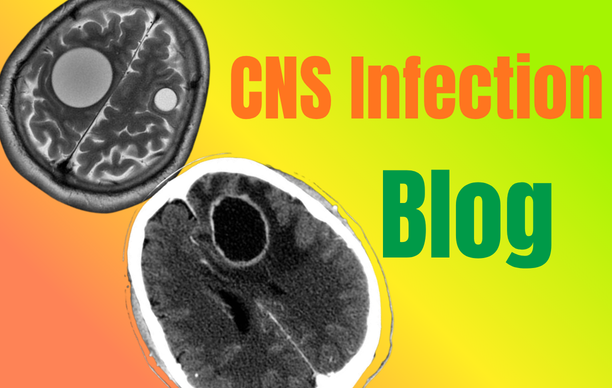
A brain abscess is a collection of pus inside the brain. It may develop when an infection spreads from another part of the body, such as the ear, sinuses, or bloodstream.
Subdural empyema is a collection of pus between the brain surface and its protective covering. Both conditions can cause fever, headache, vomiting, seizures, weakness, and reduced consciousness.
These conditions can be serious. They may require urgent hospital treatment, antibiotics, imaging, and neurosurgical assessment. Selected cases may need surgical drainage.
TB Meningitis and Cerebral Tuberculosis
Tuberculosis can affect the brain and its protective membranes. TB meningitis may cause headache, fever, vomiting, seizures, weakness, and changes in consciousness.
Some children may develop hydrocephalus, stroke-like symptoms, or developmental problems. Treatment requires appropriate anti-tuberculosis medication and specialist monitoring. Children with complications may also need pediatric neurosurgical evaluation.
Post-Infective Hydrocephalus
Some CNS infections can interfere with the normal circulation or absorption of cerebrospinal fluid. This may cause fluid to accumulate in the brain, leading to hydrocephalus.
Possible symptoms include:
- Increasing head size in babies
- Bulging fontanelle
- Vomiting
- Irritability
- Persistent headache
- Unusual eye movements
- Drowsiness
- Seizures
- Developmental delay
Depending on the child’s condition, treatment may involve a VP shunt, endoscopic third ventriculostomy (ETV), or other neurosurgical procedures. Regular follow-up is important.
Diagnosis and Assessment
Evaluation begins with a review of the child’s symptoms, medical history, physical examination, and neurological assessment.
Depending on the suspected infection, investigations may include:
- MRI of the brain
- CT scan of the brain
- MRI of the spine
- Blood tests
- Cerebrospinal fluid (CSF) examination when appropriate
- EEG for selected children with seizures
- Other tests based on clinical findings
The choice of investigations depends on the child’s condition. Some children need emergency assessment before further testing can be planned.
CNS Infection Treatment and Neurosurgical Guidance
Treatment depends on the type of infection and its complications. Children may need antibiotics, antiviral or anti-tuberculosis medicines, hospital-based monitoring, seizure management, or other medical treatment.
Some conditions may require neurosurgical procedures, including:
- Brain abscess drainage
- Subdural empyema drainage
- Selected epidural abscess procedures
- VP shunt surgery for hydrocephalus
- ETV in selected cases
- Management of infected shunts
- Surgery for an infected dermal sinus tract
Not every child needs surgery. Treatment decisions should follow specialist assessment and appropriate investigations.
Seizures and Developmental Problems After CNS Infection
Some children develop seizures during or after a CNS infection. Others may experience weakness, delayed milestones, speech difficulties, hearing problems, vision concerns, or learning difficulties.
Follow-up may include neurological examination, seizure monitoring, developmental assessment, and rehabilitation planning.
Depending on the child’s needs, physiotherapy, speech therapy, developmental support, and other specialist services may be helpful.
Long-Term Follow-Up and Rehabilitation
Recovery from CNS infection varies from child to child. Some children recover fully, while others need ongoing support.
Long-term follow-up may help monitor:
- Seizure control
- Brain and spinal function
- Hydrocephalus and shunt function
- Limb strength and movement
- Walking and balance
- Speech and communication
- Hearing and vision
- Learning and developmental progress
- Bladder and bowel function
Parents should continue follow-up if new symptoms develop or existing neurological problems persist.
CNS Infection Care at Nafaur’s Neurocare
Nafaur’s Neurocare provides pediatric neurological and neurosurgical evaluation for children with meningitis complications, brain abscess, TB meningitis, subdural empyema, spinal infection, post-infective hydrocephalus, and other CNS-related conditions.
Dr. Md. Nafaur Rahman provides pediatric neurosurgical consultation and guidance for relevant brain and spinal conditions. The clinic supports imaging review, treatment discussions, hydrocephalus assessment, seizure-related follow-up, and rehabilitation planning when required.
For more information, visit the CNS Infection Clinic at Nafaur’s Neurocare.
To arrange a consultation, visit the Book an Appointment page.
For reliable medical information, read the [World