Brain Tumor Clinic
Brain Tumor Clinic at Nafaur’s Neurocare
The Brain Tumor Clinic at Nafaur’s Neurocare provides pediatric neurosurgical evaluation, treatment planning, and follow-up guidance for newborns, infants, children, and adolescents with suspected or diagnosed brain tumors.
A pediatric brain tumor is an abnormal growth of cells inside or around a child’s brain. Brain tumors in children may be benign or malignant and can affect movement, vision, balance, speech, learning, behavior, and development. Some tumors may also block the normal flow of cerebrospinal fluid (CSF), leading to hydrocephalus.
Common Symptoms of Brain Tumor in Children
Symptoms depend on the tumor’s location, size, and effect on the brain. Parents should seek medical assessment if a child develops:
- Persistent or early morning headache
- Repeated vomiting without a clear cause
- Seizures
- Blurred or double vision
- Abnormal eye movements or squint
- Difficulty walking or maintaining balance
- Weakness of the arms, legs, or face
- Speech or swallowing difficulties
- Unusual sleepiness or behavioural changes
- Developmental regression or declining school performance
- Increasing head size or a bulging fontanelle in babies
Sudden neurological deterioration, severe drowsiness, or a first seizure requires urgent medical assessment.
Types of Pediatric Brain Tumors
The Brain Tumor Clinic evaluates children with different types of brain tumors and related conditions, including:
- Posterior fossa tumors
- Medulloblastoma
- Ependymoma
- Pilocytic astrocytoma
- Brainstem glioma
- Craniopharyngioma
- Pineal region tumors
- Supratentorial brain tumors
- Skull base tumors
- Tumor-related hydrocephalus
Each tumor requires individual assessment. Its location, size, suspected type, and relationship with important brain structures help guide treatment decisions.
Diagnosis and Assessment
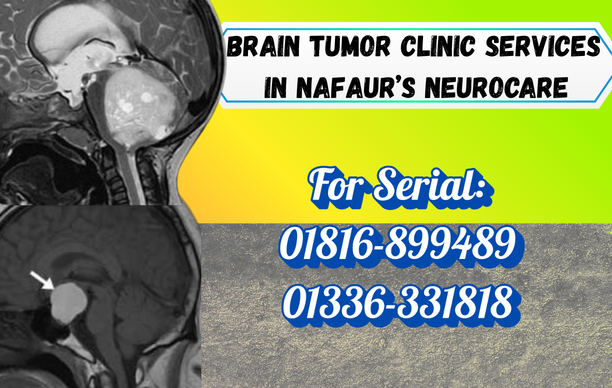
Evaluation may include a neurological examination, review of previous medical records, and assessment of MRI or CT scan reports. MRI brain is commonly used to examine the location and extent of a suspected brain tumor.
Depending on the child’s condition, further assessment may involve MRI of the spine, vision evaluation, hormone-related investigations, EEG, biopsy, or pathology review.
Pediatric Brain Tumor Treatment Guidance
Treatment depends on the tumor type, location, size, and the child’s overall condition. Some children may need surgery or biopsy. Others may require a combination of surgery, chemotherapy, radiotherapy, and oncology care.
When a tumor blocks CSF flow, the child may also need assessment for hydrocephalus. Treatment options can include a VP shunt or endoscopic third ventriculostomy (ETV), depending on the clinical situation.
The clinic provides guidance regarding neurosurgical assessment, treatment planning, and referral coordination for oncology or radiotherapy when required.
Follow-Up and Rehabilitation
Care continues after the initial diagnosis or surgery. Children may need follow-up for neurological recovery, hydrocephalus, seizures, vision, movement, learning, and developmental progress.
Some children may also benefit from physiotherapy, speech therapy, developmental support, and rehabilitation services. Long-term follow-up helps monitor the child’s condition and identify concerns that need further attention.
Brain Tumor Care at Nafaur’s Neurocare
Nafaur’s Neurocare provides pediatric neurosurgical and neurological evaluation for children with suspected or diagnosed brain tumors. Dr. Md. Nafaur Rahman provides specialist consultation and guidance for pediatric neurosurgical conditions.
Parents seeking an assessment can visit the Brain Tumor Clinic at Nafaur’s Neurocare or book an appointment.
For additional information about childhood brain and spinal cord tumors, visit the National Cancer Institute.