Best Pediatric Neurocare Centre in Bangladesh for Child Brain Tumor, Pediatric Neurosurgery & Neuro-Oncology Support
Nafaur’s Neurocare is one of the best pediatric neurocare centres in Bangladesh, providing specialized pediatric neurological and neurosurgical services for newborn babies, infants, children, and adolescents. Through different neurosurgical and neurological clinics, Nafaur’s Neurocare provides dedicated, child-friendly, compassionate, and expert neurocare services for children with complex brain, spine, nerve, skull, developmental, and congenital neurological conditions.
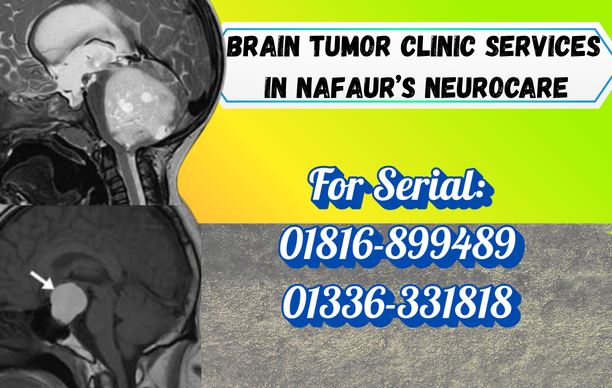
Among these specialized services, the Brain Tumor Clinic in Nafaur’s Neurocare is one of the most important pediatric neurosurgical clinics. This clinic focuses on children with pediatric brain tumor, posterior fossa tumor, cerebellar tumor, medulloblastoma, ependymoma, pilocytic astrocytoma, craniopharyngioma, pineal region tumor, brainstem glioma, supratentorial brain tumor, skull base tumor, hydrocephalus due to brain tumor, seizure due to brain tumor, headache and vomiting due to raised intracranial pressure, and long-term neuro-oncology follow-up.
For Bangladeshi parents searching online for Brain Tumor Clinic in Bangladesh, child brain tumor treatment in Bangladesh, pediatric brain tumor surgery in Dhaka, best pediatric neurosurgeon for brain tumor in Bangladesh, brain tumor treatment for children in Bangladesh, pediatric neuro-oncology support Bangladesh, and best pediatric neurocare centre in Bangladesh, Nafaur’s Neurocare Brain Tumor Clinic is a trusted destination for expert evaluation, treatment planning, surgical guidance, follow-up care, and family counseling.
What is a Pediatric Brain Tumor?
A pediatric brain tumor is an abnormal growth of cells inside or around a child’s brain. Brain tumors in children are different from adult brain tumors. They may occur in different locations, behave differently, and need specialized pediatric evaluation and treatment planning.
Brain tumors may be benign, low-grade, high-grade, malignant, slow-growing, or aggressive. Some tumors may cause symptoms by directly affecting brain tissue. Others may block the normal flow of cerebrospinal fluid, causing hydrocephalus and increased pressure inside the head.
Brain tumors in children can affect movement, balance, vision, hearing, speech, learning, behavior, growth, hormone function, coordination, swallowing, consciousness, and long-term development. That is why children with suspected brain tumor need expert pediatric neurosurgical evaluation and careful follow-up.
Why a Specialized Brain Tumor Clinic is Important in Bangladesh
In Bangladesh, many children with brain tumors may reach specialist care late because early symptoms can look like common childhood problems. Headache, vomiting, poor balance, blurred vision, seizure, weakness, abnormal eye movement, behavioral change, school performance decline, or delayed development may not be recognized immediately as warning signs of a brain tumor.
A specialized Brain Tumor Clinic in Bangladesh is important because pediatric brain tumor care requires:
Early symptom recognition, detailed neurological examination, brain imaging review, emergency hydrocephalus assessment, surgical treatment planning, biopsy or tumor removal guidance, pathology-based treatment planning, radiotherapy or chemotherapy referral when needed, seizure management guidance, rehabilitation support, developmental follow-up, and long-term neuro-oncology monitoring.
At Nafaur’s Neurocare, the Brain Tumor Clinic supports Bangladeshi families by explaining the diagnosis clearly, helping parents understand treatment options, guiding appropriate investigation, and planning long-term care for the child.
Common Symptoms of Brain Tumor in Children
Parents should seek urgent pediatric neurocare consultation if a child has persistent or progressive neurological symptoms. Warning signs may include:
Persistent headache, early morning headache, vomiting without clear stomach illness, repeated vomiting with headache, blurred vision, double vision, abnormal eye movement, squint, seizure, weakness of one side of the body, difficulty walking, poor balance, frequent falls, dizziness, abnormal head posture, neck stiffness, irritability, sleepiness, change in behavior, decline in school performance, delayed milestones, poor feeding in infants, increasing head size in babies, bulging fontanelle, abnormal crying, facial weakness, hearing problem, swallowing difficulty, or unconsciousness.
In babies, brain tumor symptoms may be subtle. Parents may notice poor feeding, excessive crying, increasing head circumference, developmental delay, sunset eye sign, vomiting, irritability, or seizure.
Conditions Managed in Brain Tumor Clinic at Nafaur’s Neurocare
The Brain Tumor Clinic in Nafaur’s Neurocare provides evaluation and treatment guidance for different pediatric brain tumor conditions and tumor-related neurological problems.
1. Posterior Fossa Tumor
Posterior fossa tumors occur in the back part of the brain, near the cerebellum and brainstem. These tumors are common in children. Symptoms may include headache, vomiting, poor balance, walking difficulty, abnormal eye movement, neck stiffness, and hydrocephalus.
Posterior fossa tumors need expert pediatric neurosurgical assessment because they are close to important brain structures controlling balance, coordination, breathing, swallowing, and consciousness.
2. Medulloblastoma
Medulloblastoma is a malignant pediatric brain tumor that usually occurs in the posterior fossa. Children may present with headache, vomiting, poor balance, hydrocephalus, and neurological deterioration. Treatment may involve surgery, pathology diagnosis, radiotherapy, chemotherapy, and long-term follow-up.
3. Ependymoma
Ependymoma can occur in the brain ventricles or posterior fossa and may block CSF flow, causing hydrocephalus. Treatment planning depends on tumor location, surgical removal, pathology, age of the child, and follow-up imaging.
4. Pilocytic Astrocytoma
Pilocytic astrocytoma is often a low-grade pediatric brain tumor. It may occur in the cerebellum, optic pathway, brainstem, or other brain areas. Symptoms depend on location and may include balance problems, visual symptoms, headache, vomiting, or developmental concerns.
5. Craniopharyngioma
Craniopharyngioma is a tumor near the pituitary gland and optic pathways. It may cause headache, vision loss, hormonal problems, growth delay, excessive thirst, obesity, delayed puberty, or hydrocephalus. These children need careful neurosurgical, endocrine, visual, and long-term follow-up care.
6. Pineal Region Tumor
Pineal region tumors may cause hydrocephalus by blocking CSF flow. Children may present with headache, vomiting, upward gaze problem, double vision, sleepiness, and raised intracranial pressure. Tumors in this region include pineoblastoma, pineocytoma, germ cell tumors, tectal plate glioma, and pineal cyst-related problems.
7. Brainstem Glioma
Brainstem gliomas occur in the brainstem, a highly sensitive area that controls breathing, swallowing, eye movement, facial movement, and body strength. Symptoms may include facial weakness, swallowing difficulty, double vision, poor balance, limb weakness, or speech difficulty. Treatment planning requires careful specialist evaluation.
8. Supratentorial Brain Tumor
Supratentorial tumors occur in the upper part of the brain. Children may present with seizure, weakness, speech difficulty, headache, vomiting, developmental delay, behavioral change, or school performance decline.
9. Skull Base Tumor
Pediatric skull base tumors are complex because they may be close to the nerves controlling vision, eye movement, hearing, facial movement, swallowing, and blood vessels. These tumors need detailed imaging and expert surgical planning.
10. Hydrocephalus Due to Brain Tumor
Brain tumors can block CSF flow and cause hydrocephalus. This may become an emergency if the child has severe headache, vomiting, drowsiness, abnormal eye signs, or deteriorating consciousness. Hydrocephalus treatment may include urgent CSF diversion, VP shunt, ETV, or tumor-directed treatment depending on the situation.
Major Services of Brain Tumor Clinic in Nafaur’s Neurocare
Pediatric Brain Tumor Evaluation
Children with suspected brain tumor receive detailed evaluation of symptoms, neurological signs, development, vision, balance, seizure history, headache pattern, vomiting, weakness, school performance, and previous imaging reports.
MRI and CT Scan Review
Brain tumor diagnosis usually requires imaging such as MRI brain with contrast or CT scan. The Brain Tumor Clinic reviews imaging findings to understand tumor location, size, hydrocephalus, edema, mass effect, involvement of important structures, and possible surgical planning.
Pediatric Neurosurgical Treatment Planning
Brain tumor treatment depends on the child’s age, tumor location, symptoms, imaging findings, hydrocephalus, neurological condition, and suspected tumor type. The clinic provides treatment guidance for surgery, biopsy, tumor removal, CSF diversion, and referral for additional therapy when needed.
Brain Tumor Surgery Counseling
Parents receive detailed counseling about surgical goals, possible benefits, risks, expected outcome, ICU care, pathology diagnosis, follow-up imaging, and long-term care. In pediatric brain tumor surgery, family education is very important.
Hydrocephalus and Raised Intracranial Pressure Management
Children with tumor-related hydrocephalus may need urgent evaluation. The clinic assesses symptoms of raised intracranial pressure such as headache, vomiting, bulging fontanelle, papilledema, drowsiness, abnormal eye movement, and neurological deterioration.
Seizure Evaluation in Brain Tumor Patients
Some brain tumors present with seizure. Children may need seizure assessment, EEG guidance when needed, anti-seizure medication planning, imaging review, and surgical evaluation depending on tumor type and location.
Pathology-Based Treatment Guidance
After surgery or biopsy, tumor pathology helps decide the next treatment steps. Some tumors may require radiotherapy, chemotherapy, targeted follow-up, or multidisciplinary neuro-oncology care. Nafaur’s Neurocare guides families regarding the next stage of treatment after diagnosis.
Radiotherapy and Chemotherapy Referral Guidance
Some pediatric brain tumors require additional treatment after surgery. The clinic helps families understand when radiotherapy or chemotherapy may be needed and supports referral planning for pediatric oncology or radiation oncology care.
Follow-Up After Brain Tumor Surgery
Children need follow-up after surgery for wound healing, neurological recovery, seizure control, hydrocephalus monitoring, VP shunt function, rehabilitation, developmental progress, and repeat imaging.
Long-Term Neuro-Oncology Follow-Up
Brain tumor care does not end after surgery. Long-term monitoring is important to detect recurrence, tumor progression, hormonal problems, learning difficulty, vision issues, movement problems, and developmental concerns.
Parent Counseling and Emotional Support
A brain tumor diagnosis is stressful for any family. Parents need clear explanation, step-by-step guidance, realistic expectations, and compassionate communication. The Brain Tumor Clinic supports families throughout the treatment journey.
Brain Tumor Surgery in Bangladesh: Pediatric Perspective
Pediatric brain tumor surgery is different from adult brain tumor surgery. Children’s brains are still developing, and tumors may affect future learning, growth, vision, movement, speech, and behavior. Pediatric brain tumor surgery requires careful planning to remove as much tumor as safely possible while protecting important brain functions.
Surgical goals may include:
Reducing pressure inside the brain, removing tumor safely, obtaining tissue diagnosis, treating hydrocephalus, improving symptoms, protecting neurological function, supporting long-term recovery, and helping plan further treatment.
Parents searching for pediatric brain tumor surgery Bangladesh, child brain tumor surgery Dhaka, brain tumor operation for child in Bangladesh, best pediatric neurosurgeon for brain tumor, or brain tumor specialist for children in Bangladesh can visit Nafaur’s Neurocare for expert pediatric neurosurgical evaluation and treatment guidance.
Hydrocephalus with Brain Tumor
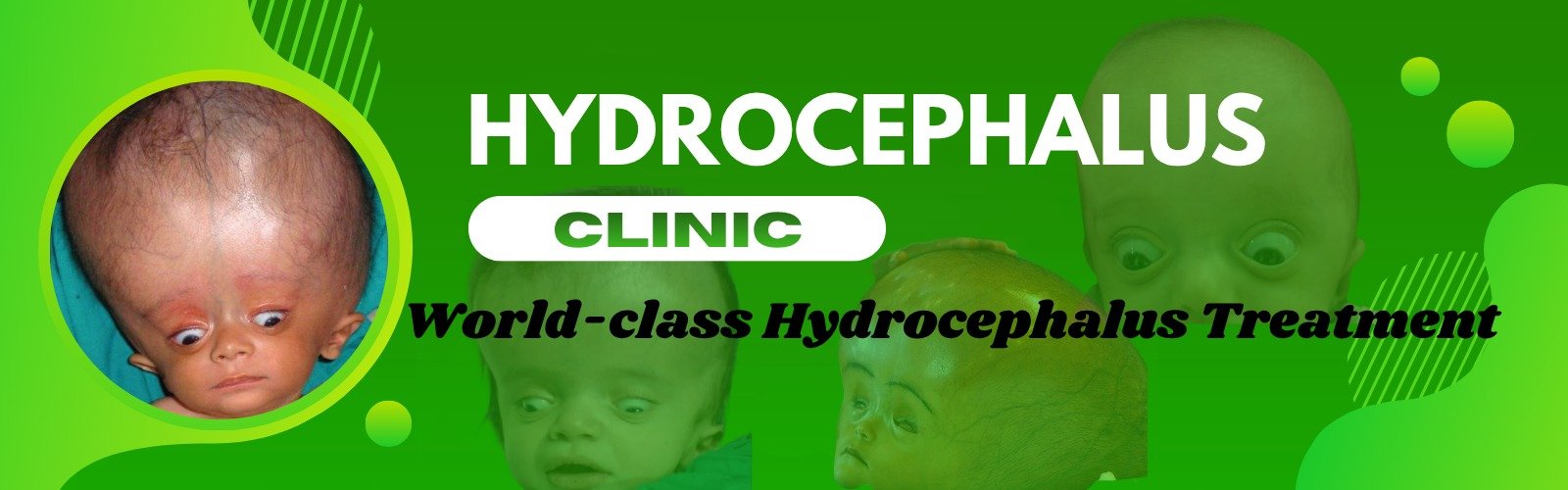
Many pediatric brain tumors cause hydrocephalus by blocking the normal flow of CSF. This may lead to raised intracranial pressure. Warning symptoms include headache, vomiting, drowsiness, poor feeding, sunset eye sign, increasing head size in babies, abnormal eye movement, irritability, and seizure.
Treatment may include urgent stabilization, VP shunt, ETV, external drainage, tumor surgery, or other CSF diversion procedures depending on the clinical situation. At Nafaur’s Neurocare, children with tumor-related hydrocephalus are evaluated carefully so that parents can receive proper guidance without delay.
Brain Tumor and Seizure in Children
Seizure may be an important symptom of a pediatric brain tumor, especially in tumors located in the cerebral hemispheres. Seizure may appear as full-body convulsion, staring spells, abnormal movements, sudden behavioral arrest, repeated jerking of one limb, loss of awareness, or unexplained episodes.
Parents should not ignore a first-time seizure, especially if it is associated with headache, vomiting, weakness, developmental regression, or abnormal neurological signs. Brain imaging and pediatric neurocare evaluation may be needed.
Brain Tumor and Vision Problems
Some brain tumors affect the optic nerve, optic pathway, pituitary region, pineal region, or raised intracranial pressure pathways. Vision symptoms may include blurred vision, double vision, squint, abnormal eye movement, loss of vision, swollen optic disc, or difficulty looking upward.
Children may not always explain visual symptoms clearly. Parents may notice the child bumping into objects, sitting very close to screens, poor school performance, abnormal eye position, or frequent falls. These symptoms need evaluation.
Long-Term Follow-Up for Pediatric Brain Tumor Patients
Children treated for brain tumors need long-term follow-up because recurrence, hydrocephalus, hormonal problems, learning difficulty, seizure, weakness, balance problems, and developmental issues may appear later.
Long-term follow-up may include:
Neurological examination, MRI follow-up, hydrocephalus monitoring, VP shunt review, seizure control assessment, developmental evaluation, school performance monitoring, vision assessment guidance, endocrine evaluation guidance, physiotherapy, speech therapy, occupational therapy, nutrition support, and family counseling.
The goal is not only survival but also better neurological function, better development, better learning, and better quality of life.
Why Choose Nafaur’s Neurocare Brain Tumor Clinic?
Parents choose Nafaur’s Neurocare because the centre provides dedicated pediatric neurocare services through specialized neurosurgical and neurological clinics. The Brain Tumor Clinic is designed for Bangladeshi children with brain tumors and tumor-related neurological complications.
Key reasons to choose Nafaur’s Neurocare:
Dedicated pediatric neurocare approach
Children require specialized care, gentle communication, and long-term follow-up. Nafaur’s Neurocare provides child-focused services for pediatric brain and spine conditions.
Expert care for neurosurgical concerns
Pediatric brain tumor cases need expert neurosurgical evaluation to decide whether observation, imaging, emergency care, biopsy, surgery, CSF diversion, or long-term follow-up is needed.
Comprehensive clinic-based service
The clinic provides brain tumor evaluation, imaging review, surgical treatment planning, hydrocephalus assessment, seizure evaluation, follow-up care, parent counseling, and referral guidance for oncology support when needed.
Bangladesh-focused care for Bangladeshi patients
The clinic understands the needs of Bangladeshi families, including early diagnosis, timely referral, cost-sensitive planning, practical follow-up, and clear communication.
Support for complex pediatric neurological conditions
Nafaur’s Neurocare provides care for Brain Tumor, Hydrocephalus, Spina Bifida, Myelomeningocele, Encephalocele, Craniosynostosis, Pediatric Stroke, Epilepsy, Pediatric Spine Disease, Developmental Delay, and other pediatric neurological and neurosurgical diseases.
Bangladesh Perspective: Why Brain Tumor Awareness Matters
In Bangladesh, awareness about pediatric brain tumors is very important. Many children may first present with headache, vomiting, seizure, visual problems, weakness, poor balance, or developmental delay. These symptoms may be treated as common illnesses for a long time unless warning signs are recognized.
Parents should seek specialist consultation if symptoms are persistent, progressive, repeated, or associated with neurological signs. Early diagnosis can help reduce complications, support safer treatment planning, and improve the chance of better neurological outcome.
A child with repeated morning vomiting, headache, abnormal walking, seizure, weakness, or vision problem should not be ignored. Timely pediatric neurocare evaluation may save life and protect future development.
When Should Parents Visit the Brain Tumor Clinic?
Parents should visit Nafaur’s Neurocare Brain Tumor Clinic if their child has:
Persistent headache, repeated vomiting, early morning vomiting, seizure, blurred vision, double vision, squint, weakness of hand or leg, difficulty walking, poor balance, frequent falls, abnormal eye movement, facial weakness, hearing problem, swallowing difficulty, developmental delay, school performance decline, behavior change, increasing head size in babies, bulging fontanelle, diagnosed brain tumor, MRI or CT scan showing brain lesion, hydrocephalus, or previous brain tumor surgery requiring follow-up.
Early consultation can help identify the correct diagnosis, reduce complications, and support better treatment planning.
Chamber Address
Nafaur’s Neurocare
H # 24/1, Level # 7, Shyamoli Square
Shyamoli Cinema Hall Building, Mirpur Road, Shyamoli
Dhaka – 1207, Bangladesh
Google Map Location:
https://maps.app.goo.gl/9NM8HQHS3y9Z3C3eA
Appointment / Contact
For appointment and serial:
01816899489
01336331818
Social Media Links of Nafaur’s Neurocare
Facebook:
https://www.facebook.com/NafaursNeurocare
Instagram:
https://www.instagram.com/neurocarebd
TikTok:
https://www.tiktok.com/@nafaurs.neurocare
YouTube:
https://youtube.com/@nafaursneurocare
Conclusion
The Brain Tumor Clinic in Nafaur’s Neurocare provides specialized pediatric neurocare services for Bangladeshi children with pediatric brain tumor, posterior fossa tumor, medulloblastoma, ependymoma, pilocytic astrocytoma, craniopharyngioma, pineal region tumor, brainstem glioma, supratentorial tumor, hydrocephalus due to brain tumor, seizure due to brain lesion, and long-term neuro-oncology follow-up needs.
Pediatric brain tumor care requires early diagnosis, expert pediatric neurosurgical evaluation, proper imaging, surgical treatment planning, pathology-based care, hydrocephalus management, rehabilitation support, and long-term follow-up. For parents searching for Brain Tumor Clinic in Bangladesh, child brain tumor treatment in Dhaka, pediatric brain tumor surgery Bangladesh, or best pediatric neurocare centre in Bangladesh, Nafaur’s Neurocare is a trusted destination for child-focused, compassionate, and expert pediatric neurocare.