Best Pediatric Neurocare Centre in Bangladesh for Baby Head Shape, Skull Deformity & Pediatric Craniofacial Neurosurgery
Nafaur’s Neurocare is one of the best pediatric neurocare centres in Bangladesh, providing specialized pediatric neurological and neurosurgical services for newborn babies, infants, children, and adolescents. Through different neurosurgical and neurological clinics, Nafaur’s Neurocare provides child-focused, compassionate, and expert care for children with brain, spine, skull, nerve, developmental, and congenital neurological conditions.
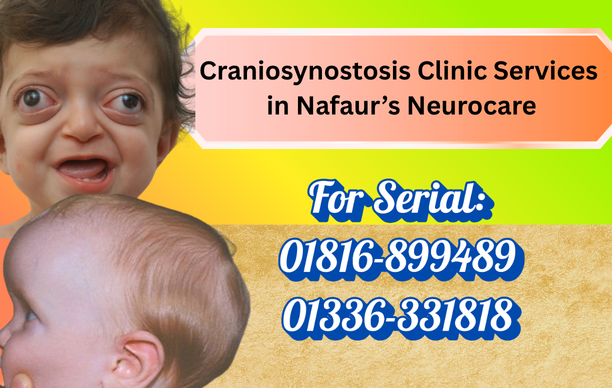
Among these specialized services, the Craniosynostosis Clinic in Nafaur’s Neurocare is an important pediatric neurosurgical clinic. This clinic focuses on children with Craniosynostosis, abnormal baby head shape, early skull suture closure, scaphocephaly, trigonocephaly, plagiocephaly, brachycephaly, skull deformity, raised intracranial pressure, craniofacial deformity, and related pediatric skull growth disorders.
Parents in Bangladesh frequently search online for Craniosynostosis treatment in Bangladesh, Craniosynostosis surgery in Dhaka, baby head shape treatment Bangladesh, pediatric skull deformity treatment, best pediatric neurosurgeon for Craniosynostosis in Bangladesh, and best pediatric neurocare centre in Bangladesh. For families looking for expert evaluation, early diagnosis, treatment guidance, and long-term follow-up, Nafaur’s Neurocare Craniosynostosis Clinic provides specialized pediatric neurocare support.
What is Craniosynostosis?
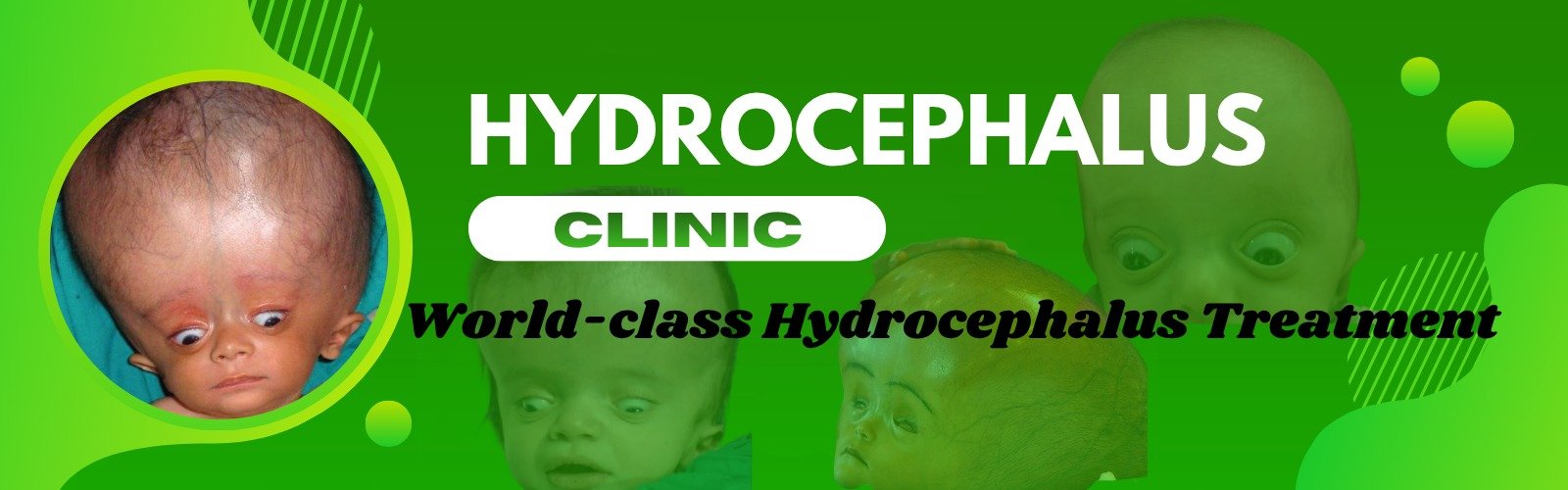
Craniosynostosis is a congenital skull condition where one or more sutures of a baby’s skull close too early. Skull sutures are natural growth lines between skull bones. Normally, these sutures remain open during early childhood so the brain can grow properly. When a suture closes too early, the skull cannot grow normally in that direction. As a result, the baby may develop an abnormal head shape.
Craniosynostosis may affect only one suture or multiple sutures. In some children, it is mainly a head shape problem. In others, it may cause increased pressure inside the skull, developmental concerns, vision problems, feeding issues, sleep problems, or neurological symptoms.
Because the baby’s brain grows rapidly during infancy, early evaluation is very important. Timely diagnosis and treatment planning can help protect brain growth, skull shape, eye function, and long-term development.
Why a Specialized Craniosynostosis Clinic is Important in Bangladesh
In Bangladesh, many parents notice abnormal head shape in their baby but may not know whether it is positional head flattening or Craniosynostosis. Some children are diagnosed late because abnormal skull shape is mistaken as a normal variation, birth molding, or sleeping-position-related flattening.
A specialized Craniosynostosis Clinic in Bangladesh is important because early diagnosis can make treatment planning more effective. Craniosynostosis needs careful pediatric neurosurgical evaluation, head shape assessment, skull suture evaluation, imaging guidance, parent counseling, and follow-up.
At Nafaur’s Neurocare, the Craniosynostosis Clinic supports parents by explaining the condition clearly, identifying warning signs, guiding investigations, and planning the best possible care for each child.
Conditions Managed in Craniosynostosis Clinic at Nafaur’s Neurocare
The Craniosynostosis Clinic provides evaluation and treatment guidance for different types of skull growth disorders and abnormal baby head shape conditions.
1. Sagittal Craniosynostosis / Scaphocephaly
Sagittal Craniosynostosis is the most common type of Craniosynostosis. It occurs when the sagittal suture closes early. The baby’s head may become long and narrow. This head shape is called Scaphocephaly or dolichocephaly. Parents may notice a long forehead, narrow skull, prominent back of the head, or ridge along the top of the skull.
2. Metopic Craniosynostosis / Trigonocephaly
Metopic Craniosynostosis occurs when the metopic suture closes early. It may cause a triangular-shaped forehead, ridge in the middle of the forehead, narrow forehead, and eyes appearing close together. This condition is called Trigonocephaly.
3. Coronal Craniosynostosis / Anterior Plagiocephaly
Coronal Craniosynostosis may affect one or both coronal sutures. If one side is affected, the baby may have asymmetric forehead flattening, raised eyebrow on one side, facial asymmetry, and abnormal eye position. This may be called Anterior Plagiocephaly.
4. Lambdoid Craniosynostosis / Posterior Plagiocephaly
Lambdoid Craniosynostosis is rare and affects the back of the skull. It may cause flattening at the back of the head, skull asymmetry, ear position changes, and abnormal head shape. It is important to differentiate this from positional plagiocephaly.
5. Multiple Suture Craniosynostosis
Some children may have more than one skull suture closed early. Multiple suture Craniosynostosis can be more complex and may be associated with increased intracranial pressure, syndromic craniosynostosis, developmental delay, breathing problems, or eye problems.
6. Syndromic Craniosynostosis
Some children have Craniosynostosis associated with genetic syndromes such as Crouzon syndrome, Apert syndrome, Pfeiffer syndrome, or other craniofacial syndromes. These children may need long-term multidisciplinary care, including pediatric neurosurgery, craniofacial surgery, ophthalmology, ENT, developmental assessment, and genetic counseling.
7. Positional Plagiocephaly
Not all abnormal head shapes are Craniosynostosis. Some babies develop head flattening due to sleeping position or neck muscle tightness. This is called positional plagiocephaly. It is important to differentiate positional plagiocephaly from true Craniosynostosis because treatment is different.
Major Services of Craniosynostosis Clinic in Nafaur’s Neurocare
Baby Head Shape Evaluation
The clinic provides detailed evaluation for babies with abnormal head shape, flat head, long head, triangular forehead, asymmetric forehead, skull ridge, facial asymmetry, or unusual skull growth. Early clinical evaluation can help identify whether the condition is Craniosynostosis or positional head flattening.
Pediatric Skull Suture Assessment
Craniosynostosis is related to early closure of skull sutures. The clinic evaluates the head shape pattern, skull ridges, fontanelle status, head circumference, growth pattern, and possible signs of raised intracranial pressure.
Craniosynostosis Diagnosis and Parent Counseling
Parents receive clear explanation about the type of Craniosynostosis, possible cause, severity, treatment options, timing of surgery, expected outcome, follow-up plan, and warning signs. Counseling helps families make informed decisions.
Imaging Guidance
Depending on the child’s condition, imaging may be advised to confirm diagnosis and plan treatment. This may include skull X-ray, CT scan with 3D reconstruction, MRI brain in selected cases, or other investigations when needed. Imaging helps identify which suture is closed and whether there are associated brain or skull abnormalities.
Craniosynostosis Surgery Planning
Some children with Craniosynostosis may need surgery to correct skull shape, allow better brain growth, reduce pressure risk, and improve craniofacial appearance. Surgery planning depends on the child’s age, type of suture involvement, severity, symptoms, and overall health.
Follow-Up for Head Growth and Development
Children with Craniosynostosis need follow-up to monitor head circumference, skull growth, developmental milestones, vision, neurological status, and signs of raised intracranial pressure.
Differentiation Between Craniosynostosis and Positional Plagiocephaly
Many parents worry when their baby has a flat head. The clinic helps differentiate true Craniosynostosis from positional head deformity, which may improve with positioning, physiotherapy, tummy time, or helmet therapy in selected cases.
Evaluation for Raised Intracranial Pressure
Some children with Craniosynostosis may develop increased pressure inside the skull. Warning signs may include persistent vomiting, irritability, poor feeding, developmental delay, headache in older children, vision problems, sleepiness, or abnormal eye findings.
Multidisciplinary Care Guidance
Complex Craniosynostosis may require coordinated care involving pediatric neurosurgery, craniofacial surgery, ophthalmology, ENT, developmental therapy, genetics, anesthesia, and rehabilitation support. Nafaur’s Neurocare guides families through appropriate evaluation and referral planning when needed.
Symptoms That Need Craniosynostosis Clinic Consultation
Parents should visit the Craniosynostosis Clinic at Nafaur’s Neurocare if their child has:
Abnormal head shape from birth, long and narrow head, triangular forehead, flat forehead on one side, asymmetric face, one eye appearing different, ridge over the skull, early closure of fontanelle, rapidly changing head shape, slow head growth, developmental delay, vomiting, irritability, poor feeding, vision concerns, sleepiness, delayed milestones, or suspected increased pressure inside the skull.
Early consultation is especially important for babies under one year of age because treatment planning may depend on age and brain growth stage.
Craniosynostosis Surgery in Bangladesh
Craniosynostosis surgery aims to correct abnormal skull growth, improve skull shape, create space for brain growth, and reduce the risk of raised intracranial pressure when indicated. The type of surgery depends on the affected suture, age of the child, head shape, severity, and whether the condition is single-suture or multiple-suture Craniosynostosis.
Common surgical goals include:
Improving skull shape, correcting head deformity, supporting normal brain growth, reducing skull restriction, protecting vision and neurological development, and improving long-term craniofacial appearance.
Parents searching for Craniosynostosis surgery in Bangladesh, baby head shape surgery in Dhaka, pediatric skull surgery Bangladesh, scaphocephaly treatment Bangladesh, trigonocephaly surgery Bangladesh, or best pediatric neurosurgeon for Craniosynostosis can visit Nafaur’s Neurocare for expert pediatric neurosurgical evaluation and treatment guidance.
Difference Between Craniosynostosis and Positional Flat Head
Many babies develop flattening at the back or side of the head due to sleeping position. This condition is called positional plagiocephaly. It is different from Craniosynostosis.
Positional plagiocephaly usually occurs due to pressure on one part of the baby’s skull and does not involve early fusion of skull sutures.
Craniosynostosis occurs due to early closure of one or more skull sutures and may require surgical treatment.
Because both conditions can look similar to parents, expert assessment is necessary. The Craniosynostosis Clinic at Nafaur’s Neurocare helps families understand the difference and choose the right next step.
Long-Term Follow-Up in Craniosynostosis Clinic
Craniosynostosis requires follow-up even after diagnosis or surgery. Long-term monitoring helps ensure healthy skull growth, brain development, and early detection of complications.
Follow-up may include:
Head circumference measurement, skull shape assessment, developmental milestone monitoring, vision assessment guidance, neurological examination, scar and wound review after surgery, signs of raised intracranial pressure, learning and behavior monitoring, and parent counseling.
For complex or syndromic Craniosynostosis, follow-up may continue for years because the child’s skull, face, airway, eyes, and brain development need ongoing monitoring.
Why Choose Nafaur’s Neurocare Craniosynostosis Clinic?
Parents choose Nafaur’s Neurocare because it provides dedicated pediatric neurocare services through specialized neurosurgical and neurological clinics. The Craniosynostosis Clinic is designed for children with abnormal skull growth and pediatric craniofacial neurosurgical concerns.
Key reasons to choose Nafaur’s Neurocare:
Dedicated pediatric neurocare approach
Children need specialized assessment, gentle communication, and age-appropriate care. Nafaur’s Neurocare provides child-focused services for pediatric brain, skull, and spine conditions.
Expert care for neurosurgical concerns
Craniosynostosis requires expert pediatric neurosurgical evaluation to decide whether observation, imaging, follow-up, or surgery is needed.
Comprehensive clinic-based service
The clinic provides head shape evaluation, skull suture assessment, imaging guidance, surgical planning, developmental follow-up, parent counseling, and long-term monitoring.
Bangladesh-focused care
The clinic understands the needs of Bangladeshi families, including early diagnosis, timely referral, practical counseling, and accessible follow-up planning.
Support for complex pediatric conditions
Nafaur’s Neurocare provides care for Craniosynostosis, Hydrocephalus, Spina Bifida, Myelomeningocele, Encephalocele, Pediatric Brain Tumor, Pediatric Spine Disease, Pediatric Stroke, Epilepsy, Developmental Delay, and other pediatric neurological and neurosurgical conditions.
Bangladesh Perspective: Why Awareness About Craniosynostosis Matters
In Bangladesh, many parents may notice abnormal baby head shape but delay specialist consultation because they believe the head shape will correct by itself. In some cases, that may be true for positional head flattening, but in Craniosynostosis, early suture closure can restrict skull growth and may affect brain development.
Awareness is very important. Parents, family members, pediatricians, and caregivers should recognize that persistent abnormal head shape, skull ridge, facial asymmetry, or early fontanelle closure should be evaluated by a pediatric neurosurgery specialist.
The Craniosynostosis Clinic at Nafaur’s Neurocare aims to help families in Bangladesh get proper diagnosis, timely treatment guidance, and long-term follow-up for children with skull growth disorders.
When Should Parents Visit the Craniosynostosis Clinic?
Parents should visit Nafaur’s Neurocare Craniosynostosis Clinic if their newborn baby or child has:
Abnormal head shape, long narrow head, triangular forehead, flat forehead, flat back of head, asymmetric skull, visible skull ridge, early fontanelle closure, slow head growth, facial asymmetry, eye asymmetry, suspected Craniosynostosis, diagnosed Craniosynostosis, developmental delay, vomiting, irritability, vision concern, or previous skull surgery requiring follow-up.
Early consultation can help identify the correct diagnosis and support better treatment planning.
Chamber Address
Nafaur’s Neurocare
H # 24/1, Level # 7, Shyamoli Square
Shyamoli Cinema Hall Building, Mirpur Road, Shyamoli
Dhaka – 1207, Bangladesh
Google Map Location:
https://maps.app.goo.gl/9NM8HQHS3y9Z3C3eA
Appointment / Contact
For appointment and serial:
01816899489
01336331818
Social Media Links of Nafaur’s Neurocare
Facebook:
https://www.facebook.com/NafaursNeurocare
Instagram:
https://www.instagram.com/neurocarebd
TikTok:
https://www.tiktok.com/@nafaurs.neurocare
YouTube:
https://youtube.com/@nafaursneurocare
Conclusion
The Craniosynostosis Clinic in Nafaur’s Neurocare provides specialized pediatric neurocare services for children with Craniosynostosis, abnormal baby head shape, skull deformity, early skull suture closure, scaphocephaly, trigonocephaly, plagiocephaly, brachycephaly, syndromic Craniosynostosis, and pediatric craniofacial neurosurgical concerns.
Craniosynostosis is a condition where early diagnosis can make a major difference. Timely evaluation, proper imaging, expert pediatric neurosurgical guidance, surgical planning when needed, and long-term follow-up can help protect brain growth, skull development, vision, and overall child development.
For parents searching for Craniosynostosis Clinic in Bangladesh, best Craniosynostosis treatment in Dhaka, baby head shape treatment Bangladesh, pediatric skull surgery Bangladesh, or best pediatric neurocare centre in Bangladesh, Nafaur’s Neurocare is a trusted destination for child-focused, compassionate, and expert pediatric neurocare.